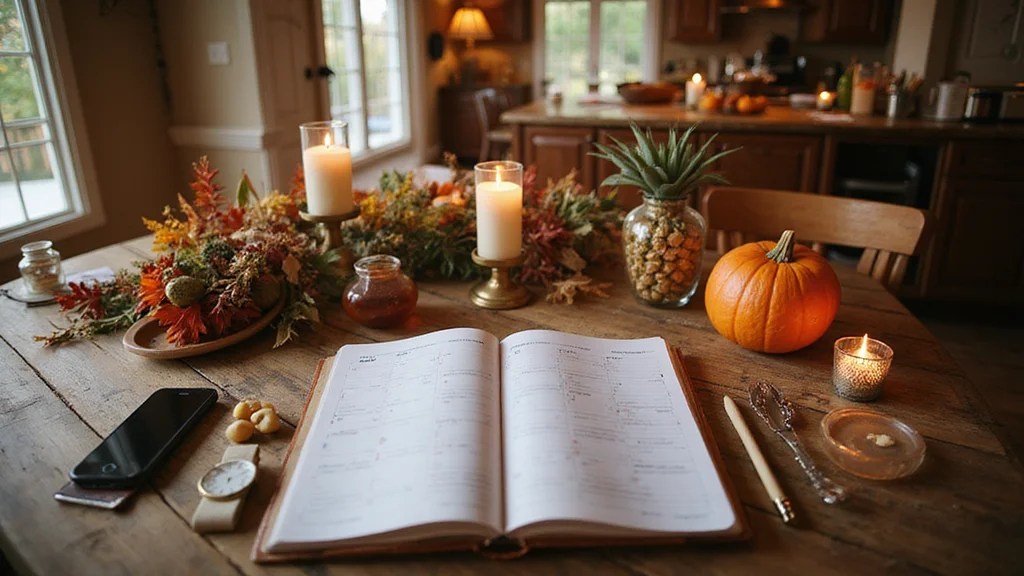
Thanksgiving can turn into a full-day race before the first guest walks through the door. The turkey needs oven space, side dishes need the right timing, and the table still needs plates, glasses, and a final wipe. Add phone calls, hungry children, and last-minute questions, and your calm morning can disappear fast. This Thanksgiving planner helps you replace the scramble with a clear plan you can follow from 7:00 a.m. until bedtime.
If you host the meal each year, welcome a large group, or cook Thanksgiving dinner for the first time, this guide is for you. You will learn how to build one master plan before the week gets busy, set up prep stations, and work backward from your dinner time. You will also see how to give guests useful jobs, protect a midday break, and keep the final hour from turning into kitchen chaos. Your plan can flex when something takes longer than expected. It does not need to run like a clock to help you feel ready.
This Thanksgiving schedule focuses on real holiday organization, not a perfect home or a restaurant-style meal. You will get a morning-to-night rhythm with clear time blocks, short checklists, and room for rest. Picture sliced onions in labeled bowls, warm rolls covered with a clean towel, and a table waiting before the turkey comes out. With a few supplies, a written plan, and help from your guests, you can serve a warm meal without spending every minute beside the stove.
Key Takeaways
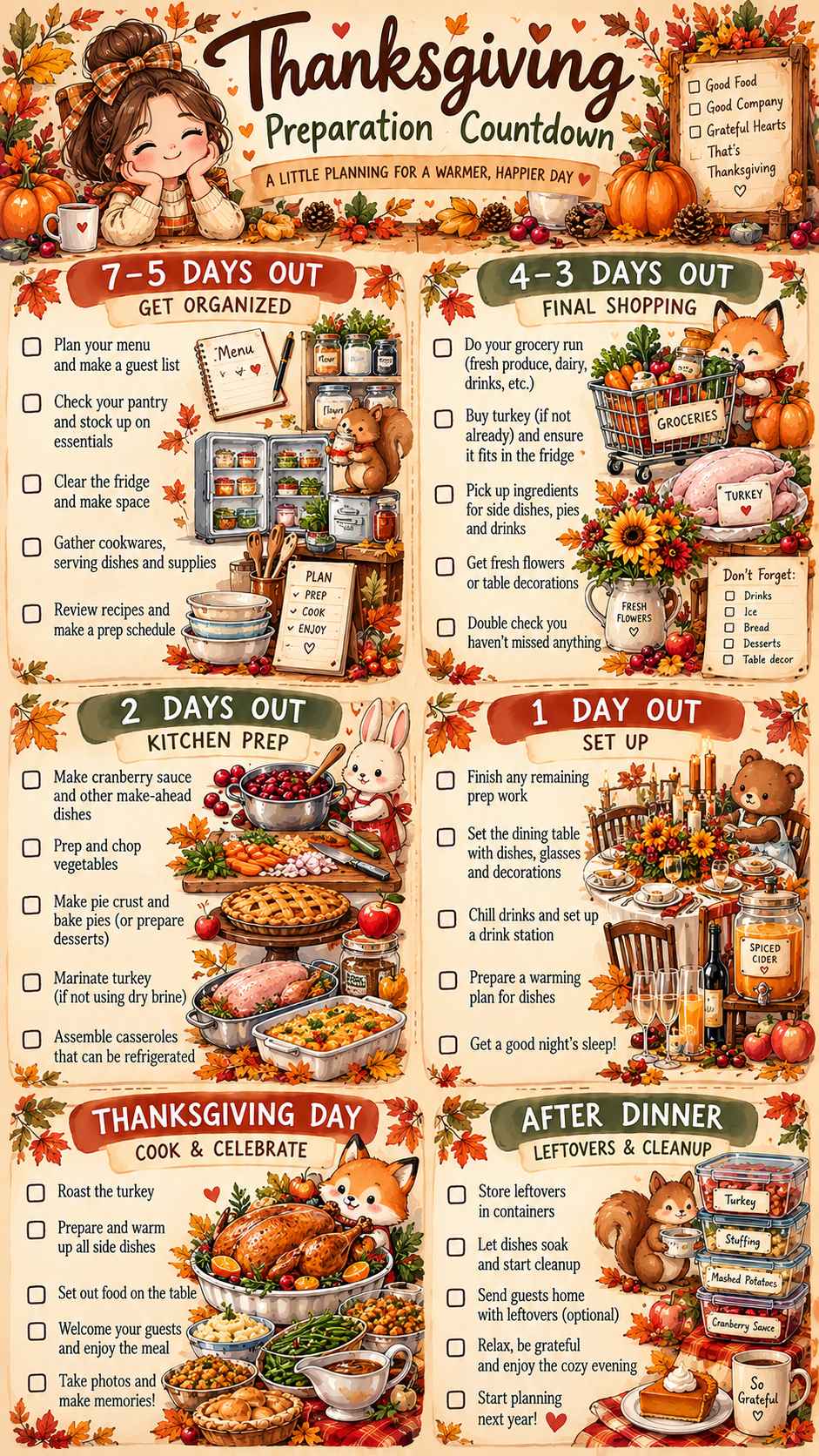
– Build one master Thanksgiving plan before the busy week begins. Write down the guest count, menu, shopping needs, cooking times, serving dishes, and tasks for other people. Keep the list on paper or in one phone note so you do not search through scattered reminders.
– Start Thanksgiving morning at 7:00 a.m. with a calm launch. Drink water, check the turkey, review your dinner time, and clear the counters before cooking starts. A short morning check helps you spot missing items while stores may still be open.
– Create prep stations that keep each task in one place. Set one area for chopping, one for baking, and one for drinks or snacks. Place knives, boards, bowls, labels, and towels where you need them so you do not cross the kitchen for every small item.
– Use backward timing for the turkey and oven dishes. Start with the time you want to eat, then count back for roasting, resting, carving, reheating, and serving. Leave a buffer for a late turkey, a crowded oven, or a side dish that needs more time.
– Protect the day with reset blocks and a short night plan. Pause at midday, finish the table and guest areas during the 2:00 p.m. block, and save only light cleanup for bedtime. A gentle finish lets you enjoy leftovers and face the next morning with less work waiting.
Contents
- 1. Build One Master Thanksgiving Plan Before the Week Gets Busy
- 2. Start Thanksgiving Morning With a Calm 7:00 a.m. Launch
- 3. Create Simple Prep Stations So the Kitchen Stays Under Control
- 4. Use Backward Timing for the Turkey and Oven Dishes
- 5. Plan a Midday Reset Instead of Cooking Straight Through
- 6. Give Guests Helpful Jobs Before They Ask
- 7. Finish the Table and Guest Areas During the 2:00 p.m. Block
- 8. Protect the Final Hour With a Short, Clear Checklist
- 9. Make Dinner Feel Unhurried With a Simple Serving Rhythm
- 10. End the Night With a Gentle Cleanup and Tomorrow Plan
1. Build One Master Thanksgiving Plan Before the Week Gets Busy
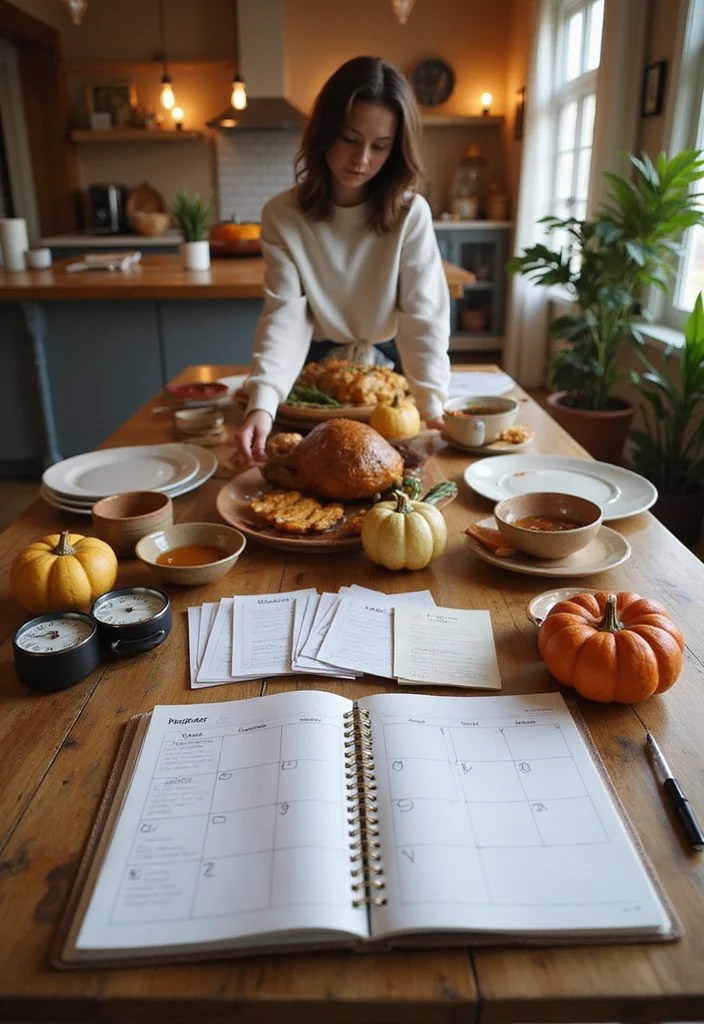
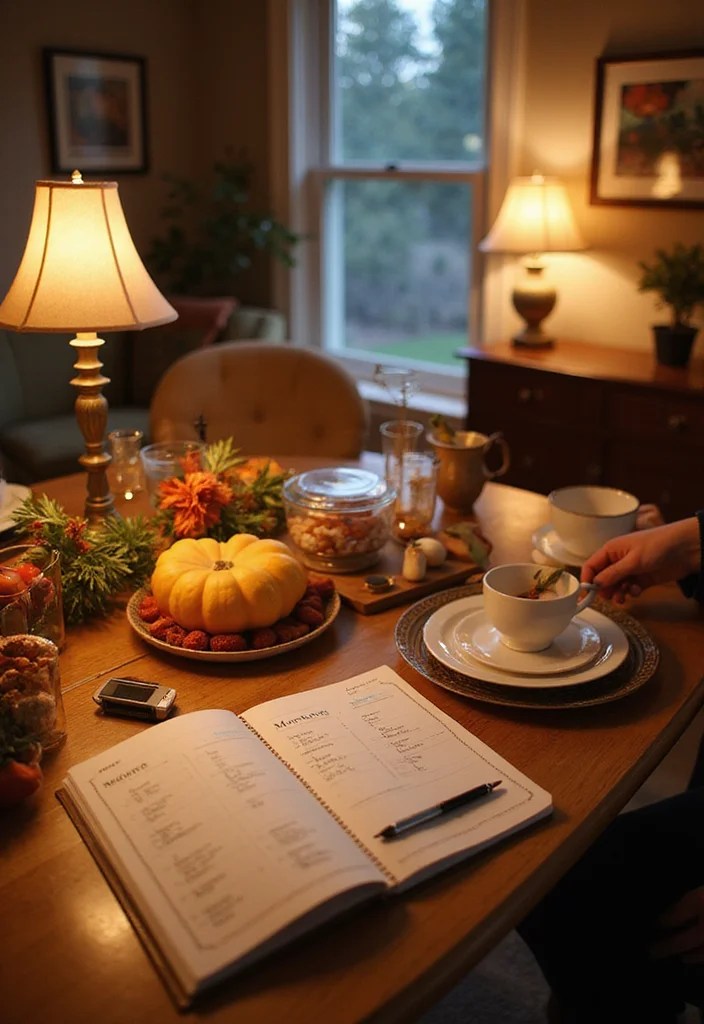
Thanksgiving gets much easier when every detail lives in one clear place. Five to seven days before dinner, record your guest count, menu, serving time, allergies, shopping list, and dishes you can prepare early. A paper planner, wall calendar, or single phone note works well. Keeping everything together helps you spot missing ingredients before they become last-minute problems.
Work backward from the time you want everyone seated. If dinner starts at 4:00 p.m., include turkey resting time, side dish reheating, table setup, and a 20-minute cushion for oven delays. Divide tasks into broad blocks instead of planning every minute. Leave one open block for surprises, extra guests, or a slow-cooking dish.
Use these planning anchors:
– Record guest needs, allergies, children, and serving preferences
– Mark dishes as make-ahead, chilled, stovetop, oven, or last-minute
– Check the turkey, roasting pan, thermometer, knife, and storage containers
– Assign simple jobs such as drinks, napkins, coats, or leftovers
A flexible plan gives you direction without making the holiday feel rigid. You can adjust the schedule while keeping the meal calm, warm, and welcoming.
Product Recommendations:
• holiday dinner planning notebook grocery list
• large dry erase wall calendar monthly weekly
• family dry erase calendar meal planning
• leave-in digital meat thermometer turkey timer
2. Start Thanksgiving Morning With a Calm 7:00 a.m. Launch

A peaceful Thanksgiving morning begins with a few quiet minutes for you. Drink water, eat a small breakfast, review your plan, and scan the kitchen before turning on the oven. This quick check can reveal a missing onion, a low thermometer battery, or a turkey that needs more thawing time. Starting slowly helps you make better choices once the kitchen becomes busy.
At 7:00 a.m., gather the ingredients for your first two tasks. Set out butter, onions, herbs, broth, potatoes, and baking supplies, while keeping meat and dairy chilled. Tackle one setup at a time instead of opening five recipes at once. Chop all onions together, measure dry ingredients in advance, and clear the counter before beginning the next job.
Build your morning around these useful steps:
– Eat breakfast, drink water, and review the day’s schedule
– Check turkey packaging, thawing, and recipe instructions carefully
– Prepare herbs, aromatics, casseroles, and toppings that can wait
– Reset counters, load dishes, and label serving bowls if needed
Keep toast, fruit, yogurt, or muffins available for helpers. A water pitcher and one shared timer can prevent needless interruptions. Even if you wake late, skip decorative tasks and protect food safety, cooking time, and your energy first.
Image credit: 4Seasons | Fashion & Outfit Ideas on Pinterest
You Might Also Like

How to Build a Morning Prayer Routine That Transforms Your Day – BibleLift
Assessment Checklist: What to Check Before You Start
Thanksgiving feels rushed when you make decisions while guests wait and food cooks. Use this checklist before the week gets busy so your Thanksgiving planner matches your home, menu, and guest count. A few quick checks can prevent a frozen turkey, a crowded oven, or a table with too few chairs. ✔
Before you begin, check these eight points:
□ Count guests and food needs – Write down every adult, child, and guest with food allergies. Plan about 1 to 1½ pounds of turkey per adult if you want leftovers, then check whether your side dishes cover the full group.
□ Confirm the turkey’s size and thaw time – A frozen turkey needs about 24 hours in the refrigerator for every 4 to 5 pounds. Add this step to your Thanksgiving schedule now, and keep a cold-water thaw plan ready if your timing changes.
□ Check fridge and freezer space – Make room for the turkey, drinks, desserts, and make-ahead dishes. If two full shelves are not free, decide which items can sit in a clean cooler with ice while you cook.
□ Measure oven and stovetop space – Check that the roasting pan fits with the oven door closed and that you have enough burners for gravy, potatoes, vegetables, and warming pans. List each dish that needs heat so you do not plan two foods for one burner at the same time.
□ Set the turkey serving time first – Choose when you want dinner on the table, then work backward from that hour. Leave 30 to 45 minutes for the turkey to rest, carve, and make room for the dishes that need the oven near the end.
□ Gather tools and serving dishes – Check for a meat thermometer, roasting pan, foil, cutting board, sharp knife, trivets, storage containers, and enough serving spoons. Label each dish with its food so a busy helper can grab the right item without asking.
□ Measure table and seating room – Count chairs, plates, glasses, and napkins, then allow about 24 inches of table space per diner when possible. Plan a side table for drinks or desserts if the dining table feels crowded.
□ Choose jobs and reset times – Give guests small tasks, such as filling water glasses, setting forks, or clearing plates. Mark a 15-minute midday reset and a 60-minute final-hour checklist so you can pause instead of cooking nonstop.
Why This Matters: This checklist turns your Thanksgiving planner into a plan that fits your actual kitchen and guest list. You will know what must happen before 7:00 a.m., what can wait until the 2:00 p.m. block, and what belongs in the last hour. Checking food temperatures and thaw time protects your guests, while checking table space and tools prevents frantic searches. A clear job list also gives family and friends a useful way to help. 💡 When you check these details first, your Thanksgiving schedule leaves room for warm food, calm breaks, and time around the table.
3. Create Simple Prep Stations So the Kitchen Stays Under Control
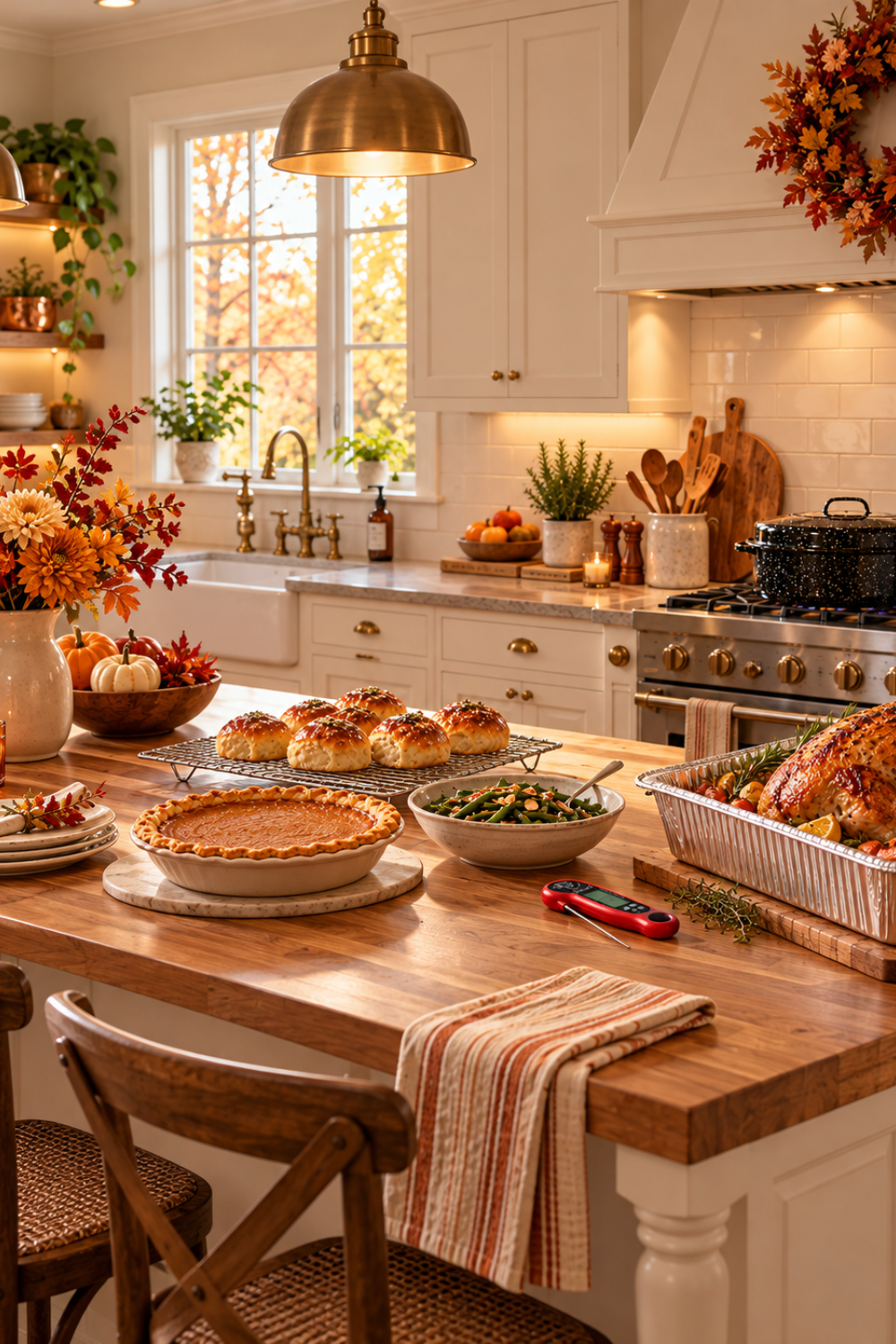
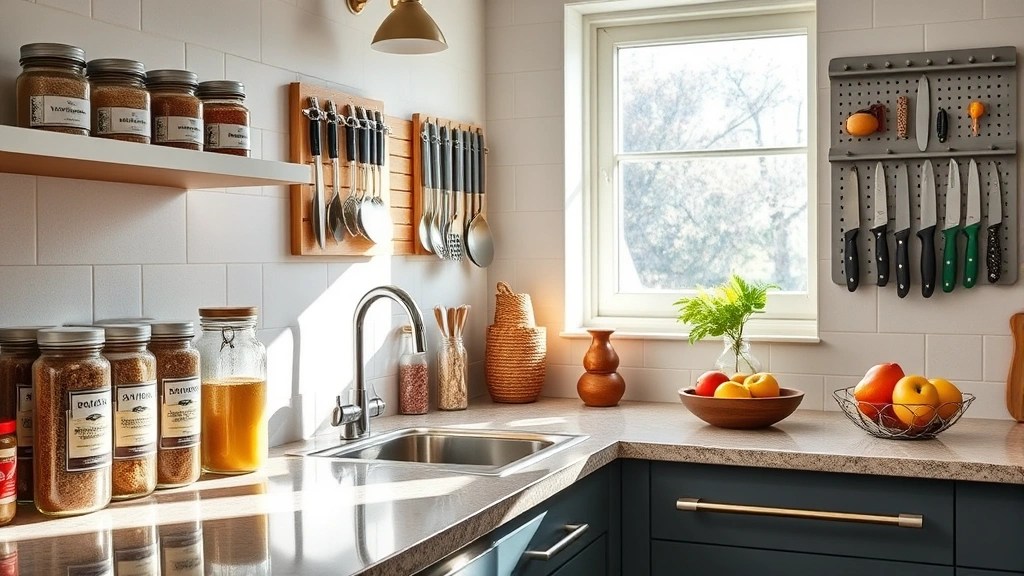
A busy kitchen feels calmer when every tool has a home. Clear away mail, grocery bags, and small appliances before cooking begins. Reserve one clean section for hot pans and finished dishes, because covered counters leave nowhere safe to place food when the oven timer rings. Even a narrow kitchen can work well with a rolling cart, folding table, or cleared dining chair.
Group supplies by the kind of work they support. Keep vegetables, a cutting board, and a scrap bowl together. Place flour, sugar, spices, parchment, and measuring cups near the baking area. Match each serving dish with its spoon before the afternoon rush. Store raw poultry tools separately, and wash hands, knives, and boards between tasks.
Set up these practical work zones:
– Create a chopping station with towels, containers, and scrap bowls
– Arrange baking tools, parchment, spices, butter, and cooling racks
– Gather serving bowls, utensils, foil, labels, and heatproof mats
– Prepare drinks, cleanup supplies, towels, soap, and a lined bin
Give children easy jobs, such as folding napkins or filling a snack basket. Small resets keep clutter from spreading. Return tools, wipe the main counter, and remove scraps before starting another recipe.
Image credit: Room & Routine | Home Finds & Organization on Pinterest
4. Use Backward Timing for the Turkey and Oven Dishes
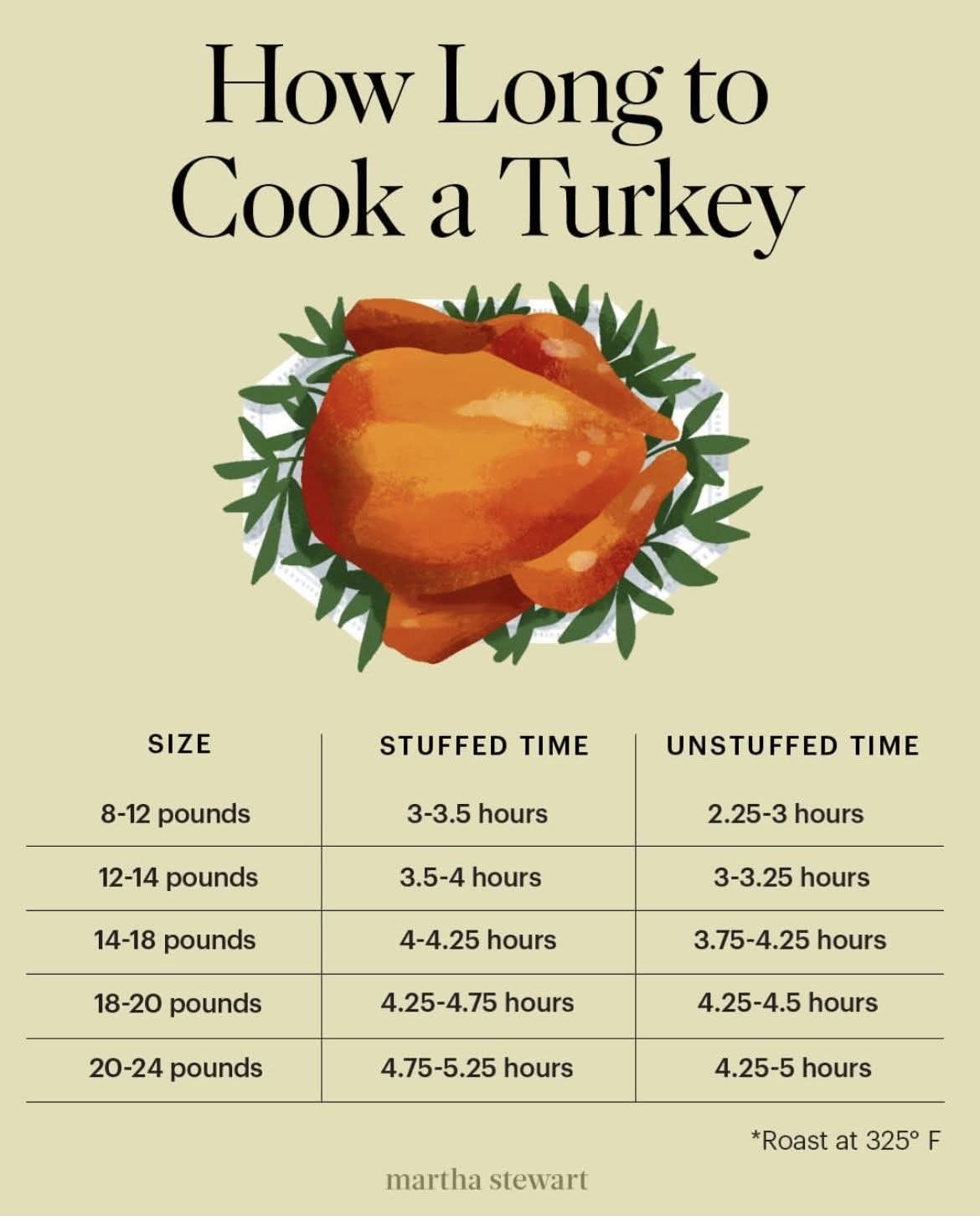
The turkey usually sets the pace for Thanksgiving dinner, so begin with your planned seating time. Subtract the roasting period, then allow enough time for the bird to rest before carving. Follow the package directions or a tested recipe, since turkey size, starting temperature, and oven type can change the timing. Check doneness with a reliable food thermometer instead of trusting the clock alone.
Write every oven dish on one timeline. Put sturdy casseroles earlier, then schedule rolls, crisp toppings, and delicate foods closer to dinner. Add a 20-minute cushion for crowded racks, door opening, or temperature changes. If your oven cannot fit everything, use the stovetop, serve a salad at room temperature, or warm one dish early and cover it safely.
Keep these timing details visible:
– Mark the turkey’s removal and resting time first
– List reheating times for casseroles, vegetables, rolls, and sauces
– Prepare carving boards, oven mitts, foil, and trivets beforehand
– Keep raw poultry separate from ready-to-eat foods throughout preparation
The resting period helps juices settle and gives you time to finish gravy, clear counters, and warm sides. A flexible oven plan protects both food quality and your peace of mind.
Image credit: Pam Messaros on Pinterest
Product Recommendations:
• instant read digital meat thermometer
• large turkey carving board with juice groove
• heat resistant silicone oven mitts
5. Plan a Midday Reset Instead of Cooking Straight Through
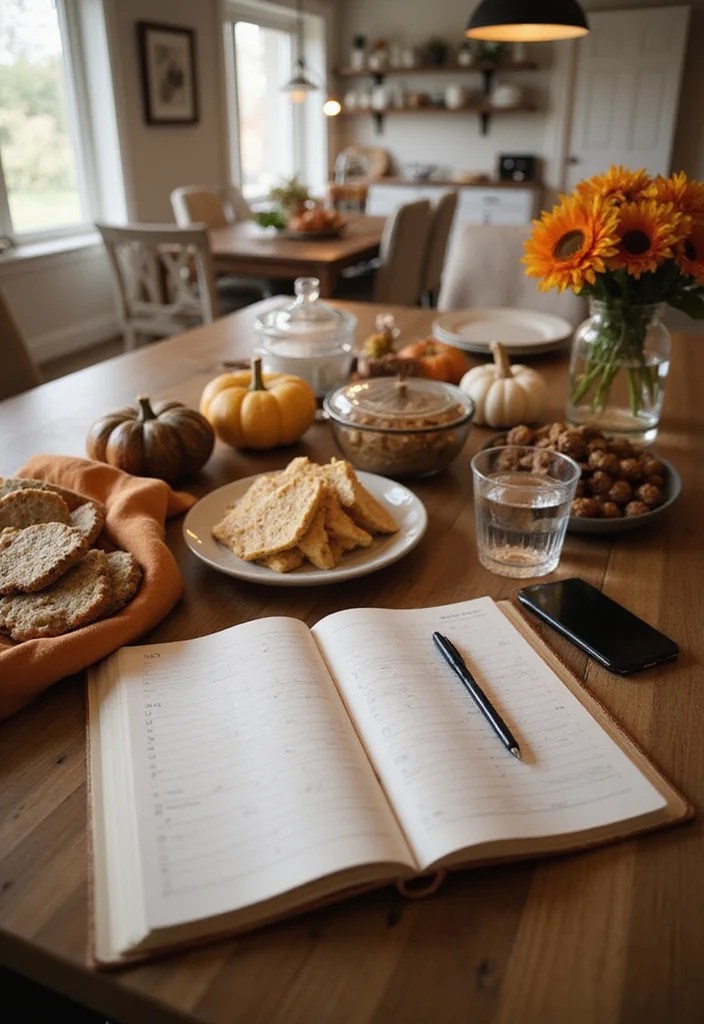
A short midday pause can save the whole afternoon. Around lunchtime, stop for ten or fifteen minutes to eat, drink water, review the schedule, and clear one important surface. Tired cooks move slowly and miss simple steps, while a brief reset restores focus. Keep lunch easy with sandwiches, soup, fruit, cheese, yogurt, or a small snack board.
Use this pause to see what is finished and what needs attention. If homemade rolls are behind, choose bakery rolls. If one side has become too demanding, simplify it. Covered dishes can stay warm safely, while smaller serving bowls can be refilled from the refrigerator to protect food quality and reduce table clutter.
Use the reset to complete these tasks:
– Check the main dish and review the remaining cooking blocks
– Wash the largest board and clear the main counter
– Empty or start the dishwasher before dishes pile up
– Refill water, charge your phone, and gather the thermometer
Ask one helper to manage the door, deliveries, or early guests. The holiday will not suffer because one task waits fifteen minutes. A steady host creates a better atmosphere than a rushed, exhausted one.
❝ A midday reset is part of your Thanksgiving planner, not a delay. Take 10 minutes to eat, hydrate, check the schedule, and clear one surface—then swap a stressful homemade task for an easy store-bought option and finish the afternoon with focus.
📹 Related Video: Post-Thanksgiving Reset: Walking, Crocheting & Cooking With My Husband 🧶✨
@media (max-width: 768px) { .internal-links-flex { flex-direction: column !important; } .internal-links-flex > div { flex: none !important; } }
You might also like

Thanksgiving Centerpieces Using Grocery Store Flowers
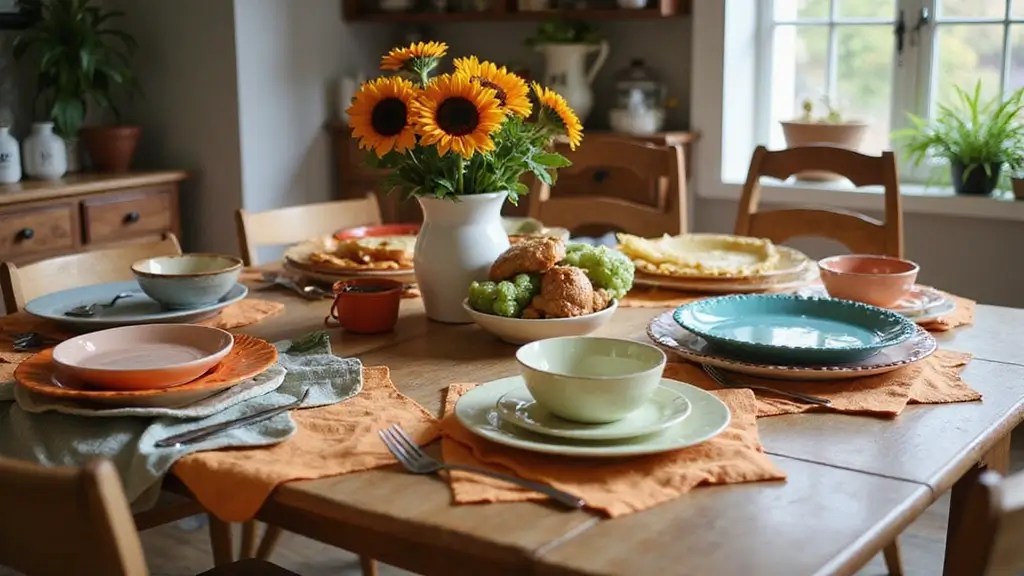
How to Set the Perfect Dinner Table in 5 Minutes (Even with Toddlers Around!)
6. Give Guests Helpful Jobs Before They Ask
Guests often want to help, but a vague offer can create more questions. Prepare a short list of jobs before anyone arrives, then match each task to the person. One guest may enjoy arranging flowers, while another can fill glasses, manage music, or keep children busy. Clear duties let people contribute without crowding the stove or interrupting your cooking rhythm.
Tell helpers exactly what finished means. Instead of saying, help with the table, ask someone to place one napkin and one fork at every seat. Keep coats in one room, drinks in one location, and appetizers away from the oven. These simple traffic patterns make the home feel calmer and keep hot food areas clear.
Offer guests these easy ways to contribute:
– Set napkins and utensils at each place setting
– Fill water glasses and arrange drinks on a separate station
– Welcome arrivals, collect coats, and guide guests to seating
– Pack leftovers, rinse glasses, or refill serving bowls later
Think about comfort, too. Provide extra chairs, washable cups, nonalcoholic drinks, and allergy-safe choices. Helpful teamwork should feel friendly, not forced. When guests know what to do, you gain time while they feel included.
❝ A Thanksgiving planner works best when it gives every helper a clear finish line. Assign one simple job—fill the glasses, place one fork, or entertain the kids—and guests can contribute happily without interrupting your cooking rhythm.
Image credit: Decor Your Holiday on Pinterest
Product Recommendations:
• women Thanksgiving hostess apron with pockets
7. Finish the Table and Guest Areas During the 2:00 p.m. Block
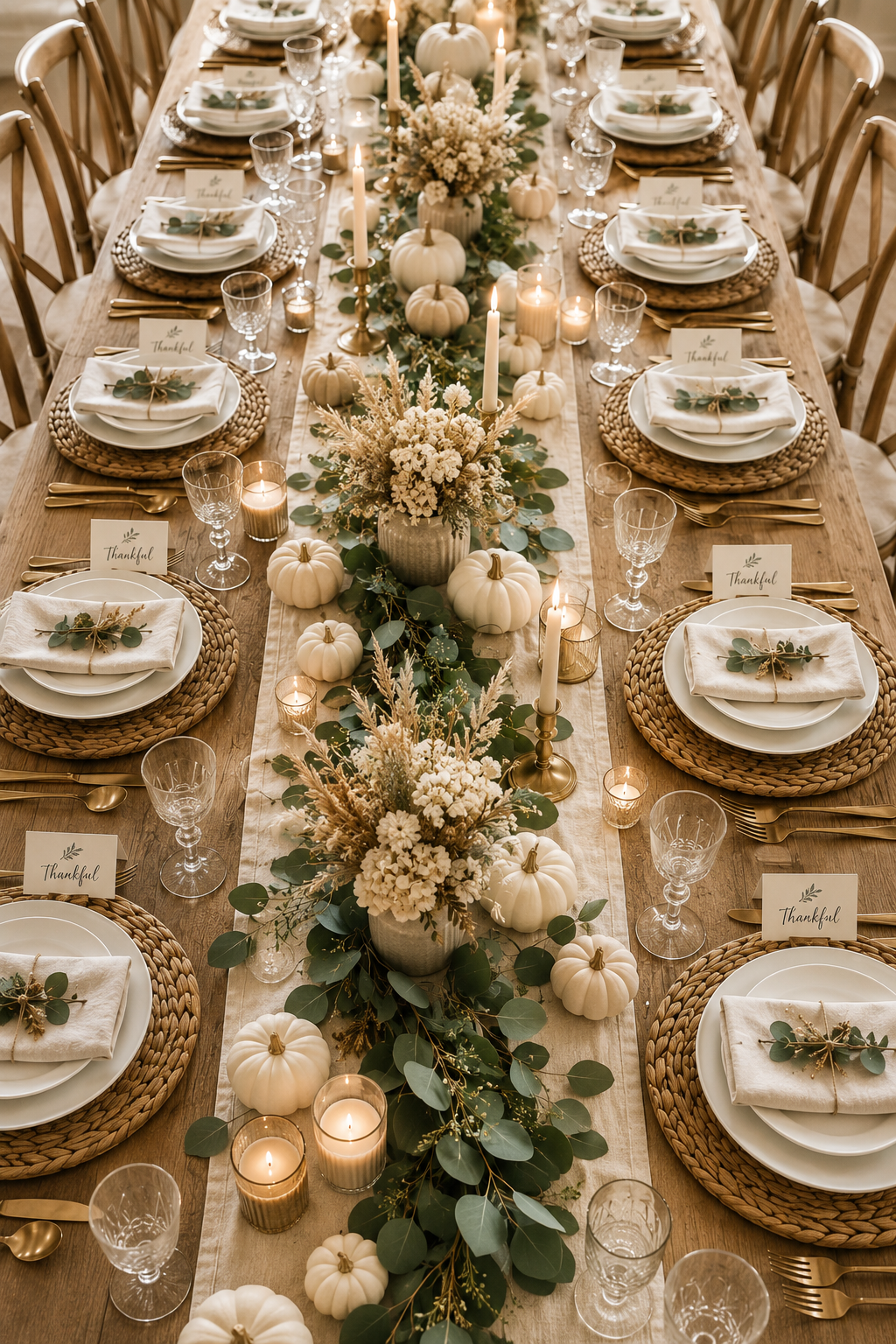
Set the table before the final cooking rush begins. A 2:00 p.m. setup block gives you time to count chairs, place utensils, choose serving bowls, and make the room inviting. You do not need an elaborate centerpiece. Warm lighting, clean linens, autumn leaves, small pumpkins, or a low arrangement can create a welcoming look without taking up useful space.
Count plates, forks, spoons, knives, napkins, glasses, and seats. Leave room for elbows and serving dishes. If the table is small, use a sideboard or kitchen island for a buffet. Place trivets where hot dishes will land, and keep carving tools ready in a separate area. A clear serving path prevents spills and awkward reaching.
Finish these guest areas before cooking peaks:
– Confirm seating and place settings for every guest
– Position water glasses, serving bowls, and heatproof mats
– Create a self-serve drink station with ice and cups
– Add safe candles, battery lights, or a low seasonal centerpiece
Check the entryway and bathroom as well. Make space for coats, add a fresh hand towel, and set out extra toilet paper. These small touches keep you from leaving the kitchen repeatedly. Choose comfort and function over decoration that blocks conversation or serving space.
Image credit: Home Decor Ideas | Interior Design Inspiration on Pinterest
Product Recommendations:
• women’s Thanksgiving oven mitts and pot holders
8. Protect the Final Hour With a Short, Clear Checklist
The final hour can feel crowded with timers, guests, hot pans, and hungry people. Keep your checklist short so you focus on the tasks that affect the meal. Check the main dish, review the oven, and reheat foods in order. Sturdy casseroles can go first, while rolls, sauces, garnishes, and crisp toppings should wait until closer to serving.
Do not introduce a complicated new recipe now. Use simple fixes instead. Improve prepared gravy with pan juices, finish plain vegetables with butter and herbs, or serve a bakery pie with whipped cream. Guests care more about a warm welcome than perfect homemade details. Give one helper responsibility for coats, drinks, or the door.
Protect the last hour with these actions:
– Check the main dish using a reliable food thermometer
– Rest the turkey or roast according to tested directions
– Warm side dishes, cover them, and match serving utensils
– Set out bread, drinks, sauces, condiments, and water
Keep hot food on trivets and the path from oven to table clear. Take one minute to wash your hands, drink water, and breathe. If dinner runs fifteen minutes late, offer appetizers and let guests settle in. One calm decision is better than ten rushed ones.
Image credit: Creative Me on Pinterest
Product Recommendations:
• instant-read digital food thermometer
• electric buffet food warmer with serving pans
• heat-resistant silicone trivets for hot dishes
You Might Also Like
11 Brilliant Kitchen Management Hacks to Restrict Mess (You Won’t Believe #6!)

14 Kitchen Organization Hacks That Will Change Your Life!
9. Make Dinner Feel Unhurried With a Simple Serving Rhythm

Dinner feels more relaxed when you stop trying to serve every dish at exactly the same moment. Choose a rhythm before guests sit down. Offer drinks, bread, or salad first, then bring out the turkey and warm sides. A buffet works well for a large group, while family-style serving suits a smaller table. Both options need a clear path and enough room for plates.
Check the basics before announcing dinner. Set out water, napkins, serving utensils, sauces, and allergy notes. Keep extra food covered in the kitchen and refill bowls as needed. Once guests begin eating, sit down if possible. Ask a helper to watch the kitchen or bring extra water so you are not standing every few minutes.
Follow this relaxed serving pattern:
– Welcome guests with drinks and small appetizers before dinner
– Mention common allergens and explain the serving order simply
– Present the main dish, vegetables, sides, bread, and sauces
– Let conversation continue while helpers handle refills
Guests will remember shared stories, warm food, and feeling included. You are part of the gathering, not just the person carrying plates. Serve smaller portions when needed, refrigerate perishable leftovers promptly, and enjoy the first part of the meal before thinking about cleanup.
❝ A relaxed Thanksgiving dinner starts with a rhythm, not a race. In your Thanksgiving planner, serve drinks and salad first, then turkey and warm sides; set out water, napkins, sauces, and utensils so guests can enjoy the meal—not wait for it.
Image credit: Decor Your Holiday on Pinterest
10. End the Night With a Gentle Cleanup and Tomorrow Plan
A successful Thanksgiving does not end with a spotless kitchen. Tonight’s goal is to protect food, make the room safe, and leave tomorrow easier. Divide cleanup into three groups: finish now, soak overnight, and handle tomorrow. This simple approach keeps you from scrubbing pans long after everyone has gone home.
Pack leftovers into shallow containers and refrigerate perishable foods promptly. Set aside portions for guests, label anything you may forget, and store serving utensils together. Ask visitors to place plates and cups in one collection area. They can also stack dishes, rinse glasses, wrap food, or carry trash without learning your entire kitchen system.
Complete these final evening tasks:
– Secure leftovers and food safety before chatting continues
– Wipe the table, counters, and most-used preparation areas
– Soak stubborn pans and load the dishwasher with essentials
– Turn off appliances, extinguish candles, and clear one safe path
Write down only what tomorrow requires, such as breakfast, borrowed dishes, travel items, or a leftover meal. Then stop. If the table was simple, dinner ran late, or dessert came from a bakery, the day can still be a success. A truly useful Thanksgiving plan leaves room for rest.
Printable:
midnightscribble_thanksgiving_planner
Conclusion: Let the Plan Hold the Pressure
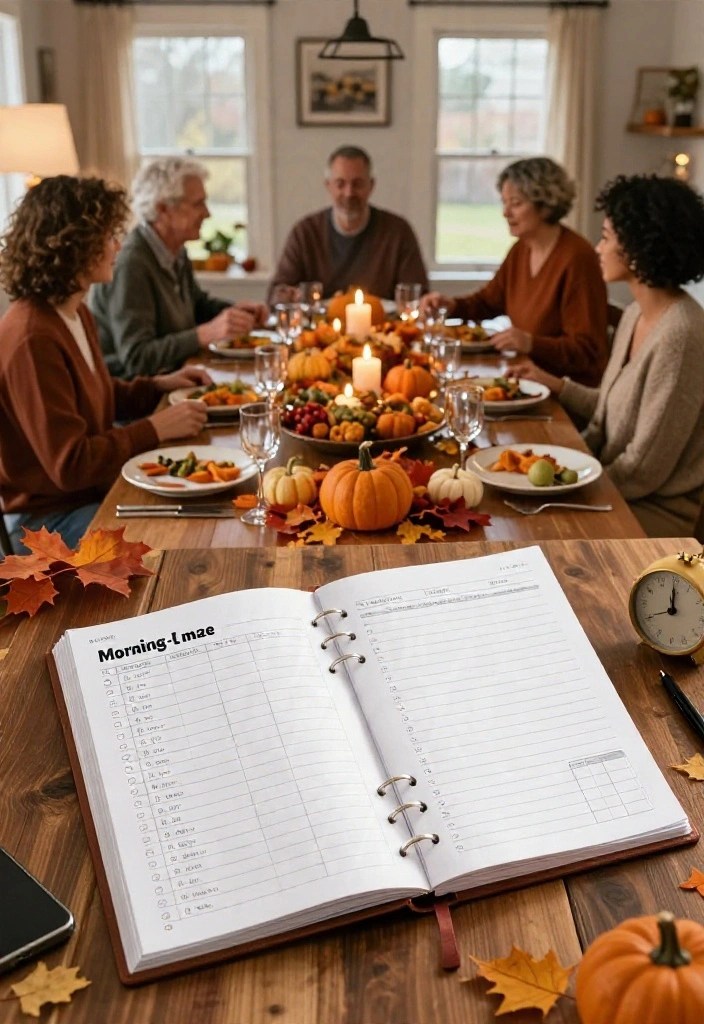
A good Thanksgiving planner gives you structure without taking away the warmth of the day. Use the morning-to-night schedule as a helpful guide, leave room for delays, and hand simple jobs to the people who want to help.
The meal may not run perfectly, and that is completely fine. When the important pieces are organized, you have more time to laugh, sit down, and enjoy the holiday you worked so hard to create.
Note: We aim to provide accurate product links, but some may occasionally expire or become unavailable. If this happens, please search directly on Amazon for the product or a suitable alternative.
This post contains Amazon affiliate links, meaning we may earn a small commission if you purchase through our links, at no extra cost to you.
Frequently Asked Questions
How Do I Create a Thanksgiving Planner That Keeps the Holiday Organized?
Start your Thanksgiving planner by working backward from your planned mealtime. Write down the guest list, menu, grocery items, cooking times, table setup, and tasks that can be delegated.
Break everything into simple stages: one to two weeks before for planning and shopping, three to four days before for thawing the turkey and preparing make-ahead foods, and the day before for chopping, baking, and setting the table.
Leave a little extra time between tasks for unexpected delays. A realistic plan with built-in breathing room is far more useful than a packed schedule that leaves you rushing.
What Should My Thanksgiving Schedule Look Like on Thanksgiving Morning?
The best Thanksgiving schedule depends on your serving time, so begin by counting backward from dinner. For example, use the morning to enjoy coffee and breakfast, organize ingredients, prepare side dishes, and get the turkey cooking according to its size and recipe.
As the meal gets closer, warm casseroles, make the gravy, arrange appetizers, and finish the table. Aim to have the kitchen mostly organized 30 minutes before serving so you can greet guests instead of scrambling.
Keep your schedule flexible, and use a written checklist for oven temperatures, cooking times, and dishes that need last-minute attention.
Which Thanksgiving Foods Can I Prepare Ahead of Time?
Many Thanksgiving favorites can be prepared early, making your holiday much calmer. Cranberry sauce, pies, dinner rolls, stuffing ingredients, casseroles, mashed potato components, and homemade gravy can often be made a day or two ahead.
You can also wash and chop vegetables, measure spices, label serving dishes, and set the table the night before. If you are serving turkey, make sure it is thawed safely in the refrigerator with enough time to spare.
Store each prepared item properly and note what needs reheating, finishing, or adding fresh toppings. This simple step turns your Thanksgiving planner into a practical kitchen roadmap.
How Can I Keep Thanksgiving Organized When Hosting a Large Group?
For a smoother gathering, organize your home into clear zones: a food station, drink area, dessert table, coat space, and place for dirty dishes. This keeps guests from crowding the kitchen and makes it easier for everyone to help themselves.
Ask family members or friends to bring specific dishes, beverages, or supplies instead of saying, “Bring anything you like.” Be sure to confirm allergies and dietary preferences early, then label dishes so guests know what they can enjoy.
Use serving utensils, trivets, storage containers, and extra chairs where you can reach them. Thoughtful holiday organization helps you spend less time managing details and more time enjoying your guests.
How Can I Make Thanksgiving Less Stressful if Something Goes Wrong?
A stress-free Thanksgiving does not require a perfect meal. Build a 30- to 60-minute buffer into your Thanksgiving schedule, choose a few make-ahead dishes, and keep easy backups available, such as store-bought rolls, extra gravy, or a simple salad.
If a dish is delayed, serve appetizers and let guests enjoy the conversation while you finish. Delegate small jobs like filling water glasses, clearing plates, or checking the oven instead of handling everything yourself.
After dinner, refrigerate perishable leftovers within two hours, using shallow containers for quicker cooling. A flexible attitude, realistic expectations, and a well-planned Thanksgiving planner can keep small surprises from taking over the holiday.
Related Topics
Thanksgiving planner
Thanksgiving schedule
holiday organization
stress-free Thanksgiving
Thanksgiving checklist
Thanksgiving timeline
holiday meal planning
Thanksgiving hosting
make-ahead planning
easy holiday planning


Leave a Reply