Age note: These recipes are intended for toddlers who are already eating a variety of solid foods. Always adjust food size, shape, texture, and portion size to your child’s individual eating skills.
Finding a toddler lunch that is nutritious, easy to make, and actually appealing to a little eater can be a daily challenge.
Toddlers can be wonderfully unpredictable at mealtime. One day they may happily eat vegetables, and the next day they may decide that anything green belongs nowhere near their plate.
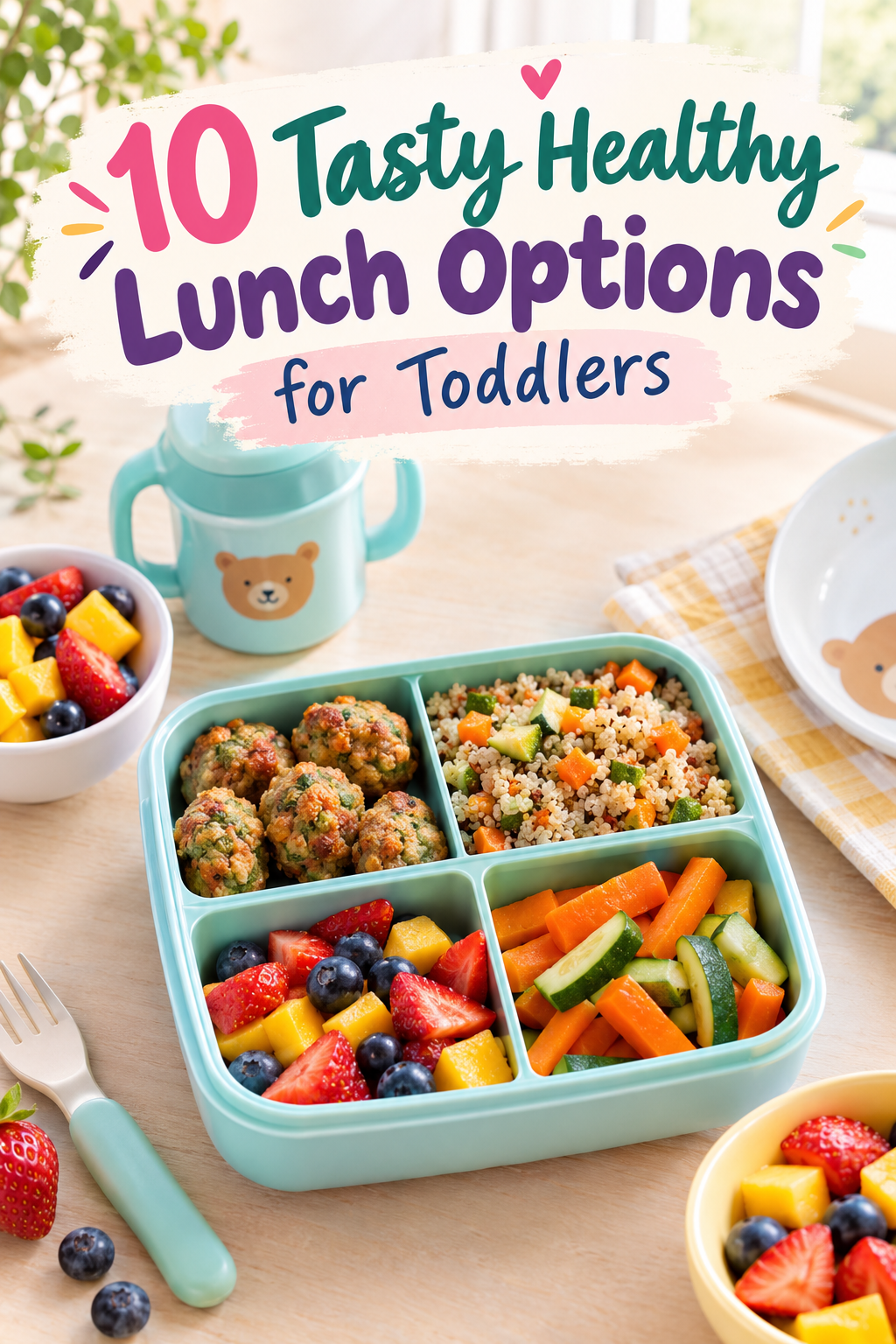
That is why it helps to have a few simple lunch recipes you can rotate. The 10 recipes below are based only on the dishes in your infographic: turkey meatballs with quinoa, cheesy quesadilla, veggie pasta, egg muffins, hummus and pita, baked salmon, sweet potato turkey roll-ups, yogurt parfait, lentil soup, and peanut butter banana crackers.
Each recipe uses simple ingredients and includes practical toddler-friendly preparation tips.
Important toddler food-safety note: Always have your child sit upright while eating and supervise them closely. Food should be prepared in a size, shape, and texture that matches your child’s current eating skills. Hard, sticky, whole, or large pieces of food can present a choking risk.
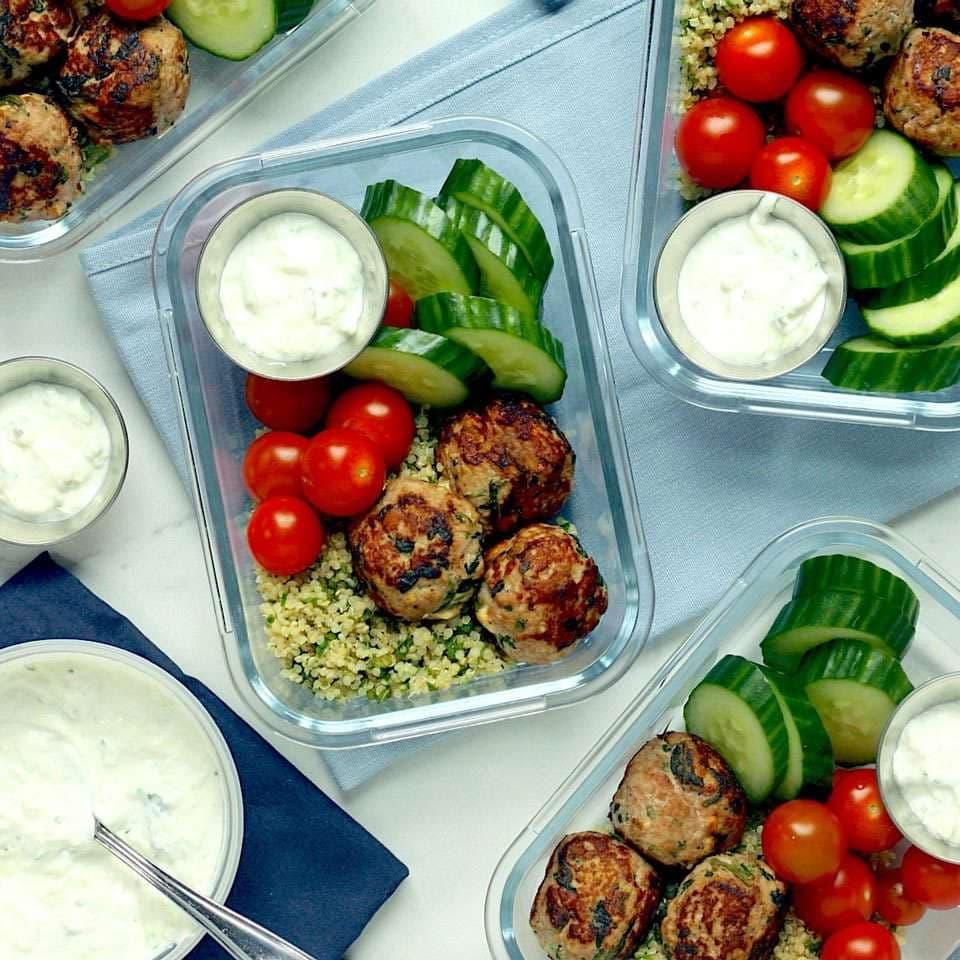
These little turkey meatballs are a great way to serve protein alongside soft vegetables and quinoa. They can also be prepared ahead, making them useful for busy weekdays.
Prep Time
15 minutes
Cook Time
20–25 minutes
Servings
About 3–4 toddler portions
Ingredients
For the meatballs:
8 oz (225 g) ground turkey
1 small carrot, finely grated
½ small zucchini, finely grated and squeezed gently to remove excess water
1 tablespoon finely chopped onion, optional
1 tablespoon finely ground oats or whole-wheat breadcrumbs
1 small egg, if your child already eats egg safely
1 teaspoon olive oil
A small pinch of mild dried herbs, optional
For serving:
½ cup cooked quinoa
1 small carrot
½ small zucchini
How to Make Them
Preheat the oven to 375°F (190°C).
Wash and grate the carrot and zucchini finely.
Squeeze excess moisture from the zucchini.
Add the turkey, vegetables, oats or breadcrumbs, egg, olive oil, and mild herbs to a bowl.
Mix gently until everything is combined.
Form the mixture into small, soft meatballs.
Place them on a lightly greased baking tray.
Bake for approximately 20–25 minutes, or until the turkey is completely cooked through.
Cook the quinoa according to the package directions until tender.
Steam the carrot and zucchini until very soft.
Allow everything to cool to a safe eating temperature before serving.
How to Serve to a Toddler
Do not rely on the meatball being small enough by itself. Break it apart or cut it into small, soft pieces appropriate for your child’s eating ability.
Serve with a spoonful of quinoa and very soft vegetables.
Easy Tip
Make extra meatballs and refrigerate them for another meal. You can also freeze cooked portions for later use.
Turkey, vegetables, and whole grains fit well into the variety of protein, vegetables, and whole grains recommended for young children.
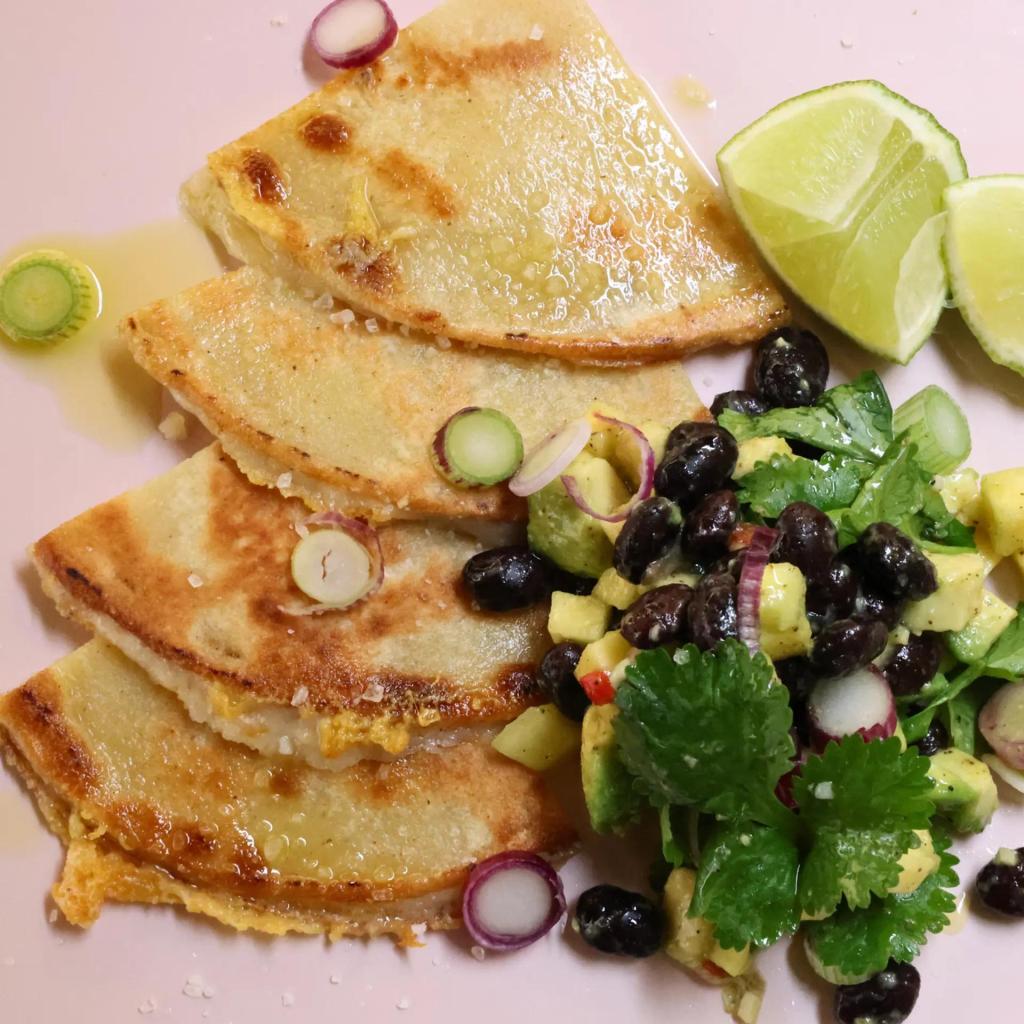
2. Mini Cheesy Quesadilla with Black Beans & Mango
Whole-wheat tortilla + cheese + black beans + mango
This is a colorful lunch that combines a warm, cheesy quesadilla with soft beans and naturally sweet mango.
Prep Time
5 minutes
Cook Time
5–7 minutes
Servings
1–2 toddler portions
Ingredients
1 small whole-wheat tortilla
¼ cup grated mild cheese
¼ cup cooked black beans
¼ cup ripe mango
½ teaspoon olive oil, if needed
How to Make It
Warm a non-stick pan over medium-low heat.
Place the tortilla in the pan.
Sprinkle cheese over half of the tortilla.
Add the cooked black beans. Mash them lightly first if your toddler finds whole beans difficult to manage.
Fold the tortilla over.
Cook for about 2–3 minutes on each side, until the cheese melts and the tortilla is lightly browned.
Remove from the pan and let it cool.
Cut into small, manageable pieces.
Peel the mango and cut it into soft, toddler-appropriate pieces.
A Small Safety Adjustment
Whole beans can be a choking hazard for young children. Mash or flatten them before serving if necessary.
For mango, choose fruit that is ripe and soft rather than firm or stringy.
Easy Variation
If your toddler doesn’t like black beans yet, you can mash them with the cheese so they become less noticeable inside the quesadilla.
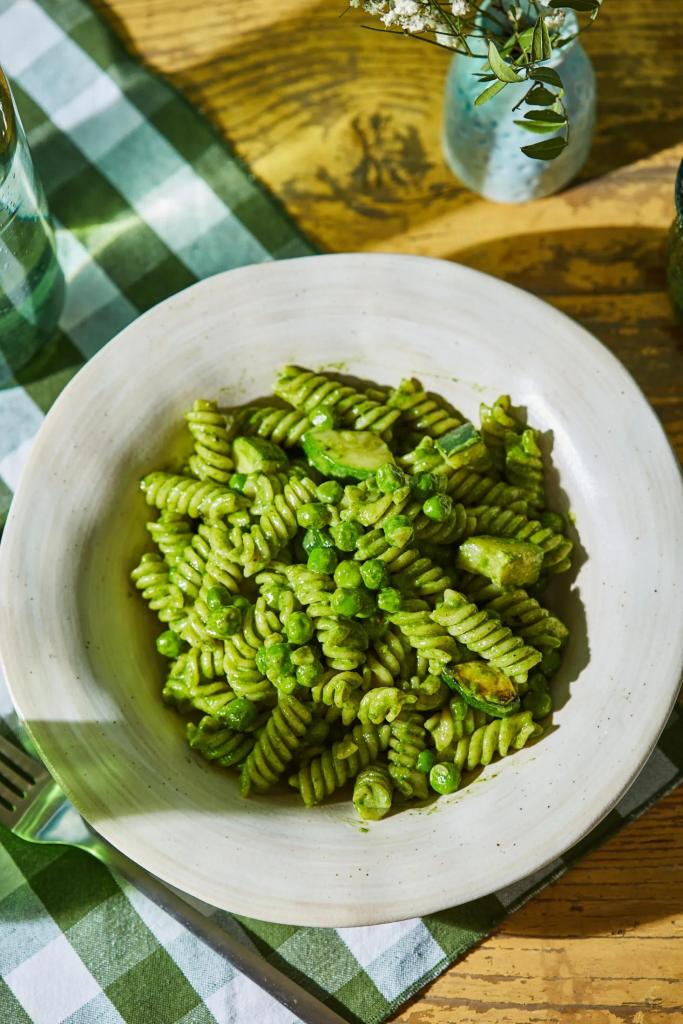
Pasta is often a reliable toddler favorite, and this recipe gives it a creamy-looking green sauce made from vegetables.
You don’t need to hide vegetables completely, though. Letting children become familiar with different colors and flavors can be part of learning to enjoy a variety of foods.
Prep Time
10 minutes
Cook Time
10–12 minutes
Servings
2 toddler portions
Ingredients
1 cup dry whole-wheat pasta
½ cup cooked peas
1 cup fresh spinach
1 small garlic clove, optional
1 teaspoon olive oil
2–4 tablespoons warm water, as needed
How to Make It
Cook the pasta according to the package directions.
Cook it until it is soft enough for your toddler’s eating ability.
Steam or gently cook the spinach and peas until tender.
Add the cooked vegetables to a blender or food processor.
Add the olive oil and a little warm water.
Blend until smooth.
Drain the pasta.
Toss the warm pasta with the green vegetable sauce.
Allow it to cool before serving.
For Younger or Less Experienced Eaters
Cut larger pieces of pasta into smaller pieces. The final texture should be soft and easy for your child to chew.
Make It More Filling
You can serve the pasta alongside a little shredded chicken, flaked fish, or another protein your child already eats safely.
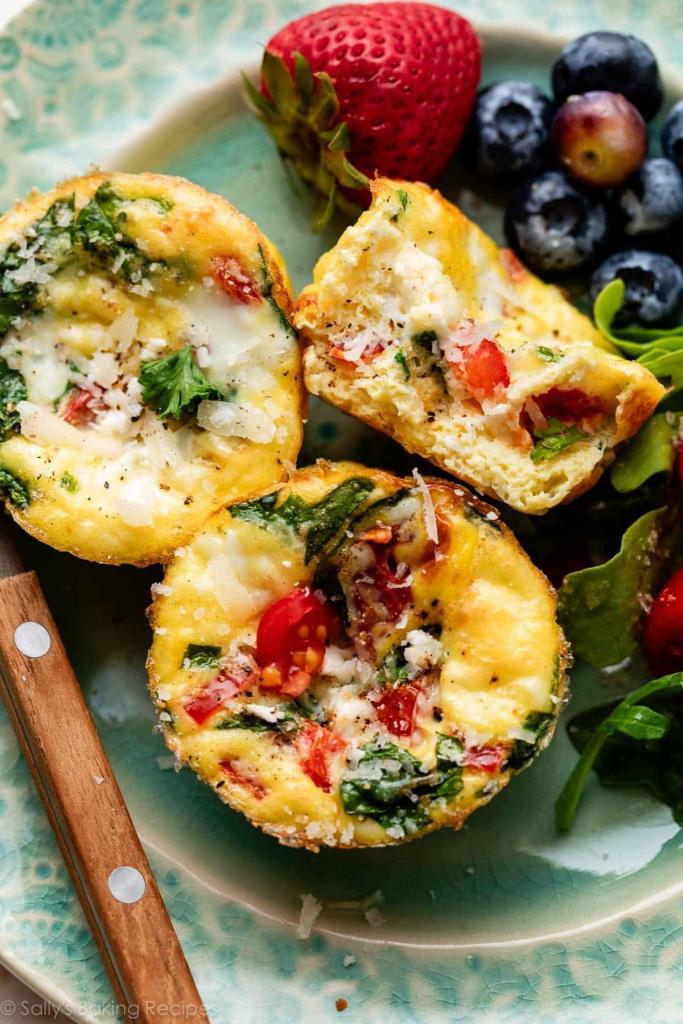
4. Egg Muffins with Veggies & Fruit
Eggs + spinach + bell pepper + cheese + berries
Egg muffins are handy because you can prepare several at once and serve them over more than one meal.
Prep Time
10 minutes
Cook Time
15–18 minutes
Servings
About 6 mini muffins
Ingredients
3 large eggs
2 tablespoons finely chopped bell pepper
2 tablespoons finely chopped spinach
2 tablespoons grated mild cheese
1 teaspoon olive oil
Soft fruit for serving, such as strawberries or blueberries
How to Make Them
Preheat the oven to 350°F (175°C).
Lightly grease a mini muffin pan.
Wash and finely chop the vegetables.
Whisk the eggs in a bowl.
Stir in the spinach, bell pepper, and cheese.
Pour the mixture into the muffin cups, filling each only about two-thirds full.
Bake for approximately 15–18 minutes, or until the centers are completely set.
Let the muffins cool before removing them from the pan.
Serve with appropriately prepared soft fruit.
Fruit Safety
Do not serve whole berries to a young child. Prepare berries according to your child’s developmental eating skills. The CDC lists uncut berries and other round foods among potential choking hazards.
Make-Ahead Tip
Keep cooked egg muffins refrigerated and use them within a safe storage period recommended for cooked eggs and leftovers. Reheat thoroughly when appropriate.
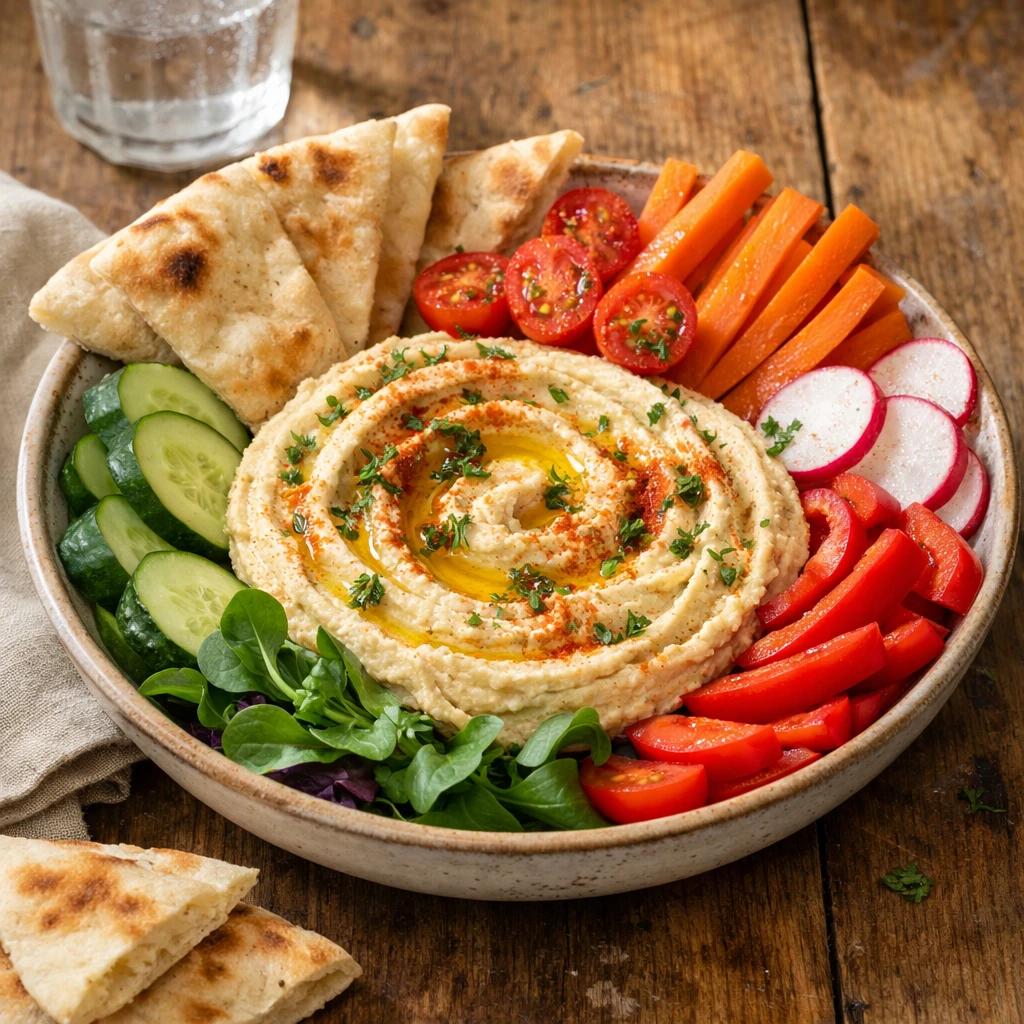
5. Hummus & Veggie Plate with Whole-Wheat Pita
Hummus + cucumber + carrot + whole-wheat pita
A toddler lunch doesn’t always need to be one complete recipe. Sometimes a small plate of familiar foods is easier and more enjoyable.
Prep Time
10 minutes
Ingredients
2 tablespoons hummus
¼ cup cucumber
¼ cup carrot
½ small whole-wheat pita
How to Prepare It
Choose hummus made with pasteurized ingredients and check the label for allergens if needed.
Peel the carrot and cook it until it is soft enough to mash easily with a fork.
Prepare the cucumber in a size and texture your child can manage safely.
Cut the pita into small, manageable pieces.
Place a small portion of hummus on the plate.
Add the prepared vegetables and pita.
A Note About Hummus
Traditional hummus contains sesame through tahini. Check the ingredient label for sesame and other allergens, especially if your child has a known food allergy.
Make It More Fun
Let your toddler dip the soft pita into the hummus.
Self-feeding can help children explore food textures and develop feeding skills.
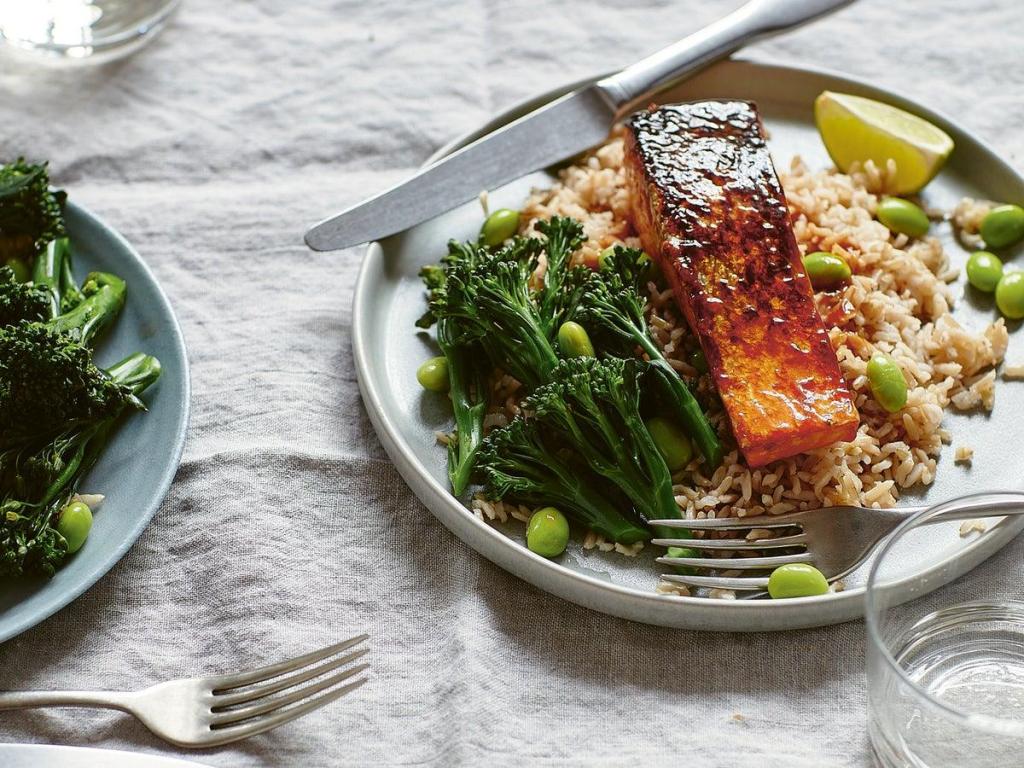
6. Baked Salmon with Brown Rice & Edamame
Salmon + brown rice + edamame
Salmon can be a delicious way to introduce fish into your toddler’s meals. The combination with soft brown rice and edamame makes a simple, satisfying lunch.
Prep Time
10 minutes
Cook Time
15–20 minutes
Servings
2 toddler portions
Ingredients
2–3 oz salmon fillet, depending on how many toddler portions you want to prepare
½ cup cooked brown rice
¼ cup shelled edamame, cooked until soft and lightly mashed or flattened before serving
1 teaspoon olive oil
A small squeeze of lemon, optional
How to Make It
Preheat the oven to 400°F (200°C).
Place the salmon on a lined baking tray.
Brush lightly with olive oil.
Bake until the fish is completely cooked and flakes easily.
Cook the brown rice until tender.
Steam or boil the shelled edamame until soft.
Carefully inspect the salmon and remove every bone you can find.
Flake the salmon into very small, soft pieces.
Serve with the soft rice and edamame.
Allow the food to cool to a safe temperature before your child eats.
Important Fish Safety
Always check fish carefully for bones. The CDC specifically recommends removing bones from fish before serving it to young children.
If your child has never eaten salmon before, introduce it in a small amount and follow your healthcare professional’s advice if your child has food allergies or other dietary concerns.
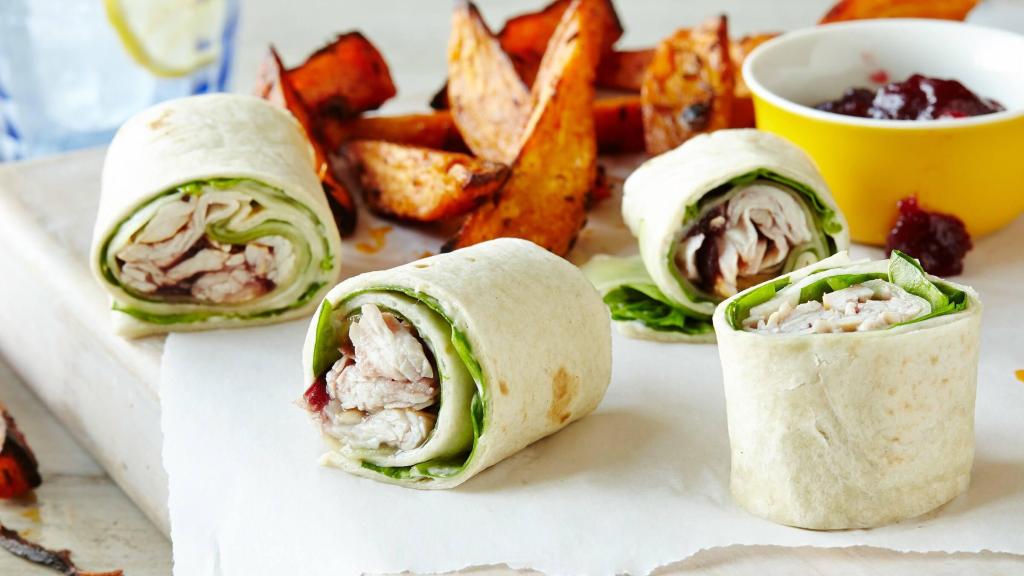
These colorful roll-ups are soft, easy to hold, and a nice way to combine a vegetable with protein.
Prep Time
10 minutes
Cook Time
15–20 minutes
Servings
2 toddler portions
Ingredients
1 small whole-wheat tortilla
2 tablespoons cream cheese
2–3 slices cooked turkey, preferably low-sodium
½ small sweet potato
How to Make It
Peel the sweet potato.
Cut it into small pieces.
Steam or bake until completely soft.
Mash the sweet potato with a fork.
Spread a thin layer of cream cheese over the tortilla.
Add a thin layer of mashed sweet potato.
Add finely chopped or thinly sliced cooked turkey.
Roll the tortilla tightly.
Cut into small, manageable pieces.
Allow it to cool before serving.
A Better Everyday Turkey Choice
If you’re using deli turkey, look for a lower-sodium option. An even simpler alternative is leftover home-cooked turkey that has been finely chopped.
Large or tough pieces of meat can be difficult for toddlers to chew safely.
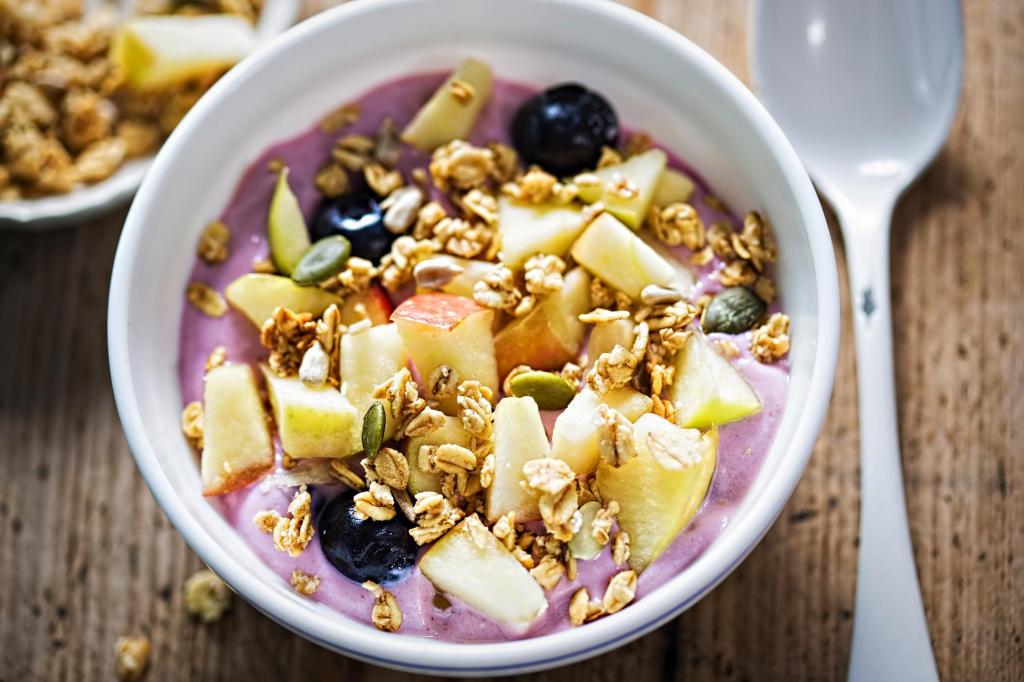
8. Yogurt Parfait With Fruit & Granola
Plain yogurt + blueberries + apple + granola
This simple parfait can work for lunch, breakfast, or a snack.
The key is choosing plain yogurt and preparing the fruit and crunchy ingredients appropriately for your child’s age and eating skills.
Prep Time
5–10 minutes
Ingredients
½ cup plain, pasteurized yogurt
¼ cup blueberries
¼ small apple
1 tablespoon soft, toddler-appropriate granola, optional For younger toddlers, you can simply leave the granola out. The yogurt and fruit make a complete and simple option on their own.
How to Make It
Spoon the plain yogurt into a small bowl.
Wash the blueberries.
Prepare the blueberries appropriately for your child’s developmental stage rather than serving them whole.
Peel the apple.
Cook the apple until soft if your child cannot safely manage raw apple.
Cut the softened apple into appropriate small pieces.
Add the fruit to the yogurt.
Sprinkle a small amount of granola on top if its texture is appropriate for your child.
Choosing Yogurt
Plain, unsweetened yogurt is a simple choice because it doesn’t require added sugar for sweetness. The CDC recommends dairy foods such as plain yogurt without added sugars as part of a varied eating pattern for young children.
Granola Safety
Many granolas contain nuts, seeds, hard clusters, or dried fruit. These can create choking concerns for young children.
Choose a soft, toddler-appropriate option or leave the granola out.
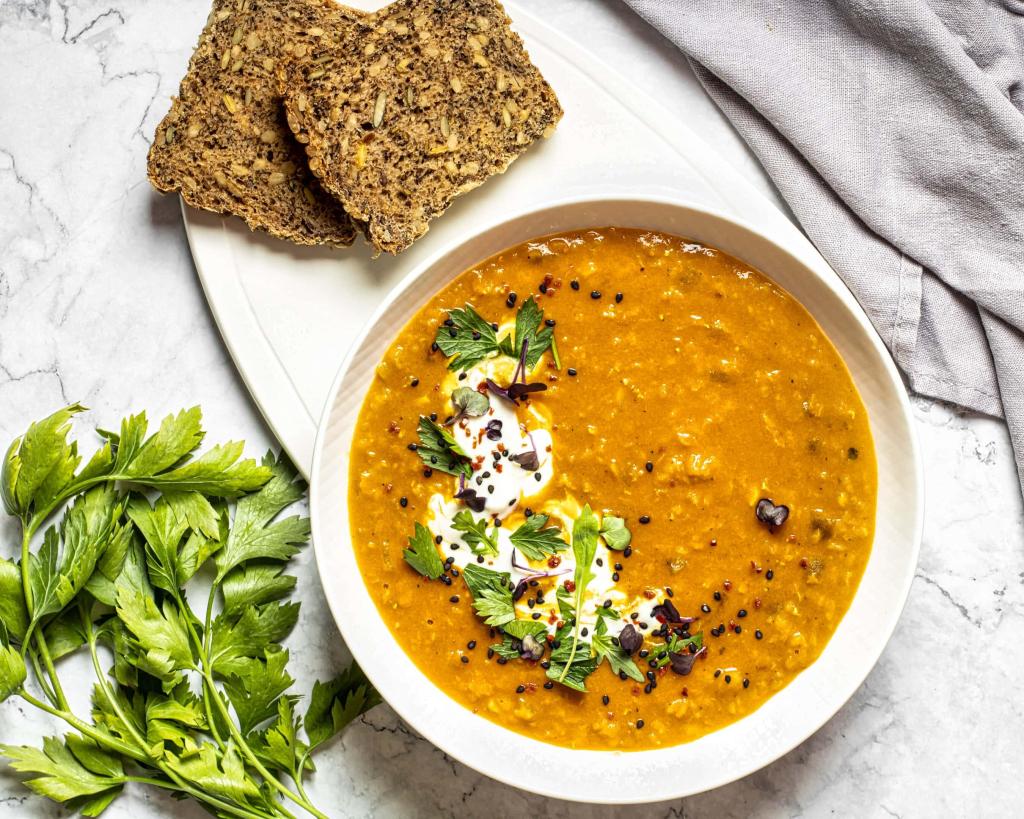
A warm bowl of lentil soup is comforting on a cool day and easy to adjust to your toddler’s preferred texture.
Prep Time
10 minutes
Cook Time
25–35 minutes
Servings
3–4 toddler portions
Ingredients
½ cup dry red or brown lentils
1 small carrot, finely diced
½ cup chopped tomato or no-salt-added canned tomato
2 tablespoons finely chopped onion
2 cups water or low-sodium broth
1 teaspoon olive oil
Small piece of soft whole-wheat bread for serving
How to Make It
Rinse the lentils thoroughly.
Warm the olive oil in a saucepan.
Add the onion and carrot.
Cook gently until the vegetables begin to soften.
Add the tomatoes and lentils.
Pour in the water or low-sodium broth.
Bring the mixture to a gentle boil.
Reduce the heat and simmer until the lentils and vegetables are very soft.
Stir occasionally and add a little more water if necessary.
Once cooked, allow the soup to cool.
Mash some of the lentils and vegetables with a fork if your toddler prefers a smoother texture.
Serve with a small piece of soft whole-wheat bread.
Toddler Tip
You don’t need to make the soup completely smooth. A soft, slightly textured soup can allow your child to gradually become comfortable with different textures as their feeding skills develop.
Avoid adding lots of salt. Young children benefit from meals that emphasize vegetables, fruits, whole grains, proteins, and other nutrient-dense foods while limiting excess sodium and added sugar.
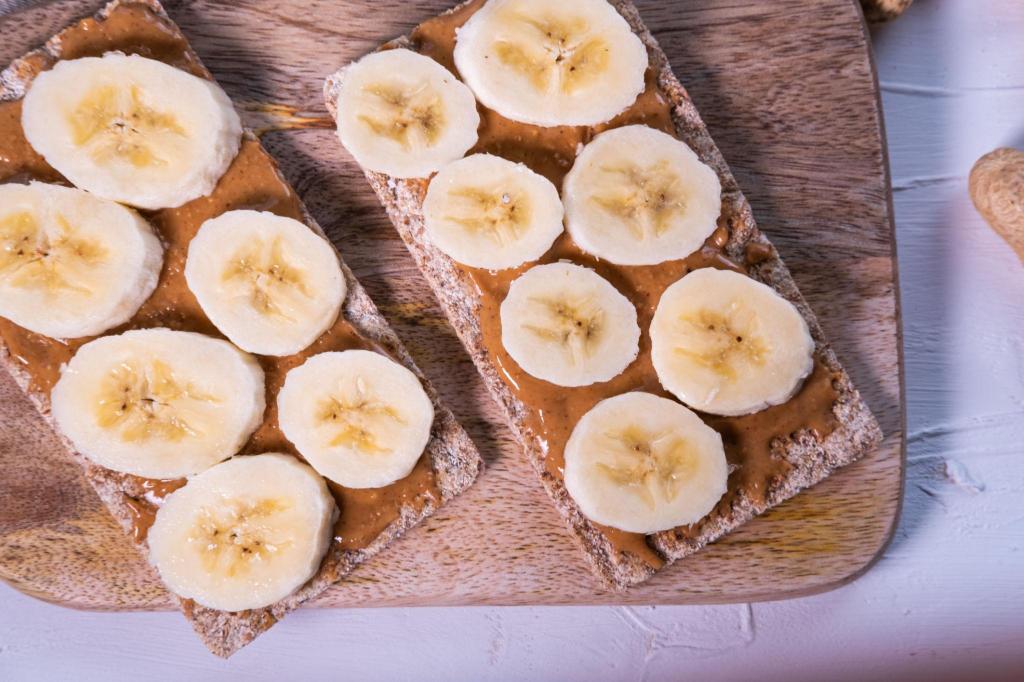
This may be one of the quickest lunches in the collection, but it is important to prepare the peanut butter safely.
Prep Time
5 minutes
Ingredients
1 small ripe banana
1–2 tablespoons smooth peanut butter
3–4 soft, toddler-appropriate crackers without whole nuts, seeds, or hard whole-grain pieces
How to Make It
Peel the banana.
Cut it into thin, soft pieces or mash it lightly.
Choose a cracker that is appropriate for your child’s age and chewing ability.
Spread a very thin layer of smooth peanut butter over the cracker.
Add a small amount of banana.
Serve immediately.
The Most Important Safety Tip
Never give a toddler a thick spoonful of peanut butter.
Sticky, thick nut butter can be difficult to swallow and is listed by the CDC as a potential choking hazard.
Instead, spread peanut butter thinly over a suitable food or thin it with another soft food.
Allergy Note
Dear Parents, Peanut is a common allergen. If peanut is new to your child, introduce it in an age-appropriate form and follow your pediatrician’s guidance if your child has severe eczema, an existing food allergy, or other allergy concerns. The CDC notes that peanut butter is among foods that can be introduced during complementary feeding, while children with certain allergy risks may need individualized guidance.
How to Build a Balanced Toddler Lunch
You don’t need every lunch to contain a huge number of ingredients.
A simple combination can work beautifully:
Protein + grain or starch + fruit or vegetable + healthy fat
For example:
Turkey meatballs + quinoa + zucchini
Quesadilla + black beans + mango
Egg muffin + whole-grain food + berries
Salmon + brown rice + edamame
Lentil soup + whole-wheat bread
The CDC recommends offering young children a variety of vegetables, fruits, protein foods, dairy without added sugars, healthy fats, and whole grains.
Toddler Portion Sizes: Start Small
One of the easiest ways to make lunch less stressful is to remember that toddlers have small stomachs.
You don’t need to fill the plate.
Start with a small serving and offer more if your child is still hungry. Appetite can change considerably from one day to another.
The CDC notes that young children’s appetites and food amounts can vary, and recommends paying attention to hunger and fullness cues rather than expecting the same amount of food every day.
A small plate might look like:
A few pieces of turkey meatball
1–2 spoonfuls of quinoa
A few pieces of soft vegetables
A small amount of fruit
If your child asks for more, you can always add another serving.
What If Your Toddler Refuses the Lunch?
Don’t worry if a meal that looked delicious to you gets rejected.
Toddlers often go through periods of picky eating, and a food they refuse today may be accepted another time.
Keep offering different foods without turning the meal into a battle. The CDC notes that children may need repeated exposure to some foods before they become comfortable with them.
You can also give your toddler a small choice:
“Would you like the mango or the zucchini?”
rather than:
“What do you want to eat?”
This gives your child some independence while keeping the meal manageable for you.
Easy Toddler Lunch Prep for Busy Parents
A little preparation can make these recipes much easier during the week.
Cook quinoa ahead
Prepare a small batch of quinoa and refrigerate it in a covered container. Use it with turkey meatballs or other meals.
Make meatballs in batches
Cook several turkey meatballs at once. Cool and store them safely so you have an easy protein option for another meal.
Prepare vegetables together
Steam carrots, zucchini, peas, and sweet potato at the same time when possible.
Keep fruit ready
Wash and prepare toddler-safe fruit ahead of time and store it appropriately.
Make egg muffins ahead
Egg muffins can be prepared in a batch and refrigerated for quick meals.
Keep lunch simple
You don’t need to serve something new every day. Repeating favorite foods while occasionally introducing something different can make meal planning much easier.
Toddler Food Safety Checklist
Before serving any of these lunches, remember these basic precautions:
Have your toddler sit upright while eating.
Stay with your child during meals.
Avoid letting your toddler eat while walking, playing, or riding in a car.
Cook hard vegetables until soft.
Cut food into an appropriate size and shape for your child’s eating skills.
Cut or otherwise prepare round foods such as berries and tomatoes appropriately.
Remove bones from fish and meat.
Avoid whole nuts and seeds.
Never serve a thick spoonful of peanut butter.
Be careful with hard crackers, granola, and other crunchy foods.
Check that food isn’t too hot before serving.
Follow safe food-storage practices for leftovers.
The CDC recommends close supervision and preparing foods according to a child’s developmental eating skills to reduce choking risk.
10 Toddler Lunch Ideas at a Glance
Lunch
Main Foods
Easy Side
Turkey Meatballs
Turkey, quinoa, carrot, zucchini
Soft vegetables
Mini Quesadilla
Whole-wheat tortilla, cheese, black beans
Mango
Veggie Pasta
Whole-wheat pasta, spinach, peas
Soft fruit
Egg Muffins
Eggs, spinach, bell pepper, cheese
Soft berries
Hummus Plate
Hummus, cucumber, carrot, pita
Soft fruit
Baked Salmon
Salmon, brown rice, edamame
Soft vegetables
Sweet Potato Roll-Ups
Turkey, sweet potato, tortilla, cream cheese
Soft fruit
Yogurt Parfait
Plain yogurt, fruit
Toddler-safe granola
Lentil Soup
Lentils, carrot, tomato, onion
Whole-wheat bread
Peanut Butter Banana
Peanut butter, banana, whole-grain crackers
Yogurt or fruit
Final Thoughts
Feeding a toddler doesn’t have to mean preparing a completely different meal every day.
These 10 tasty healthy lunch options for toddlers give you a simple starting point, whether your child loves colorful vegetables, prefers finger foods, or is still learning to enjoy new textures.
Try the turkey meatballs with quinoa when you have a little more time. Make the quesadilla when you need something quick. Keep egg muffins ready for busy mornings and lunches. Serve lentil soup on a cozy day, or put together a simple yogurt parfait when you want something easy.
And remember, a toddler doesn’t need to finish everything on the plate for lunch to be successful.
Keep offering a variety of foods, keep portions small, prepare foods safely, and let your little one gradually discover what they enjoy.
Simple food, colorful plates, and relaxed mealtimes can go a long way.
This article provides general information and is not a substitute for individualized medical, allergy, or feeding advice. If your child has a food allergy, swallowing difficulty, developmental feeding concern, or special dietary need, consult your child’s pediatrician or a qualified pediatric dietitian.


Leave a comment