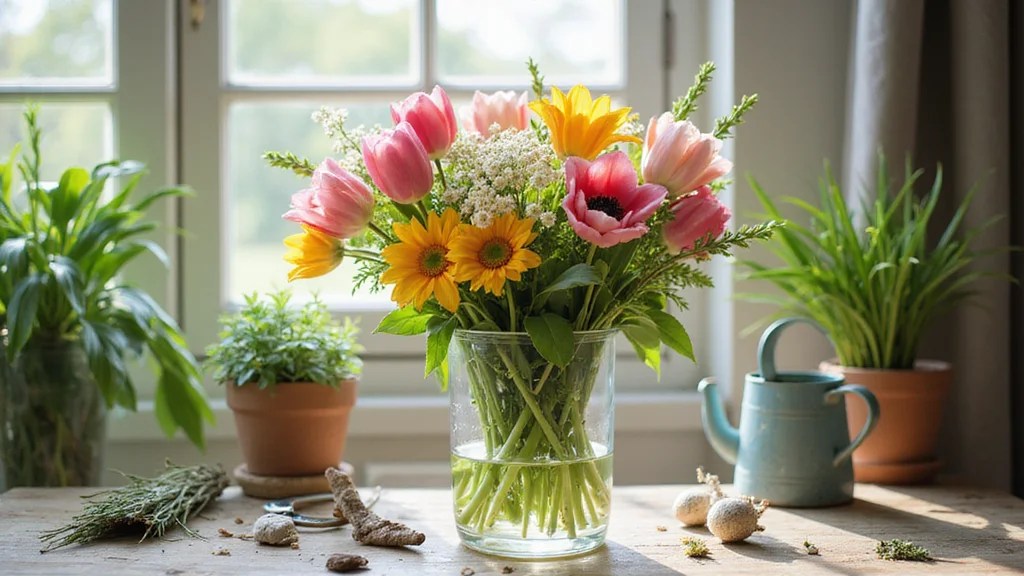
Pretty flowers have a unique way of brightening up any space. There’s something magical about their vibrant colors and enchanting scents that can lift your spirits instantly. With tulips, lilies, and wildflowers in your home, you can create a sanctuary filled with beauty and joy. I crafted this guide because I want you to discover the simple pleasures of flower gardening. Whether you’re a seasoned green thumb or just starting out, this post is for anyone looking to bring more color into their lives.
If you’re someone who loves all things floral, you’re in for a treat! This guide is packed with easy care tips and creative ideas that will help you enjoy pretty flowers at home. You’ll learn how to nurture stunning tulips, elegant lilies, and charming wildflowers. Plus, I’ve included insights on arranging these blooms, caring for cut flowers, and even tackling common myths. By the end, you’ll not only know how to care for your flowers, but you’ll also feel inspired to share their beauty with others.
Let’s dive into this floral journey together and unlock the secrets to creating a beautiful floral haven at home!
Key Takeaways
– Tulips are known for their elegance. They come in various colors and are perfect for brightening any room. Understanding their growth cycle helps you enjoy them longer.
– Lilies add a touch of luxury to your space. With their striking blooms and wonderful fragrance, they make any arrangement special. Learn how to care for them to keep their beauty intact.
– Wildflowers bring rustic charm. They are low maintenance and attract pollinators. Embracing these flowers can create a natural, colorful oasis at home.
– DIY Flower arrangements can be a fun and creative outlet. Experiment with different styles to reflect your personality and seasonal themes.
– Caring for cut flowers is essential for longevity. Simple tricks like proper water levels and trimming stems can make a big difference in how long they last.
Contents
- 1. Tulips: The Epitome of Elegance
- 2. Lilies: A Touch of Luxury
- 3. Wildflowers: The Rustic Charm
- 4. Seasonal Arrangements: Reflect Nature’s Beauty
- 5. DIY Flower Arrangements: Get Creative!
- 6. Caring for Cut Flowers: Prolong Their Life
- 7. Flower Arranging Styles: Find Your Aesthetic
- 8. Flower Care Myths: What to Ignore
- 9. Seasonal Flower Choices: What to Buy
- 10. The Joy of Flower Gifting: Share the Beauty
1. Tulips: The Epitome of Elegance
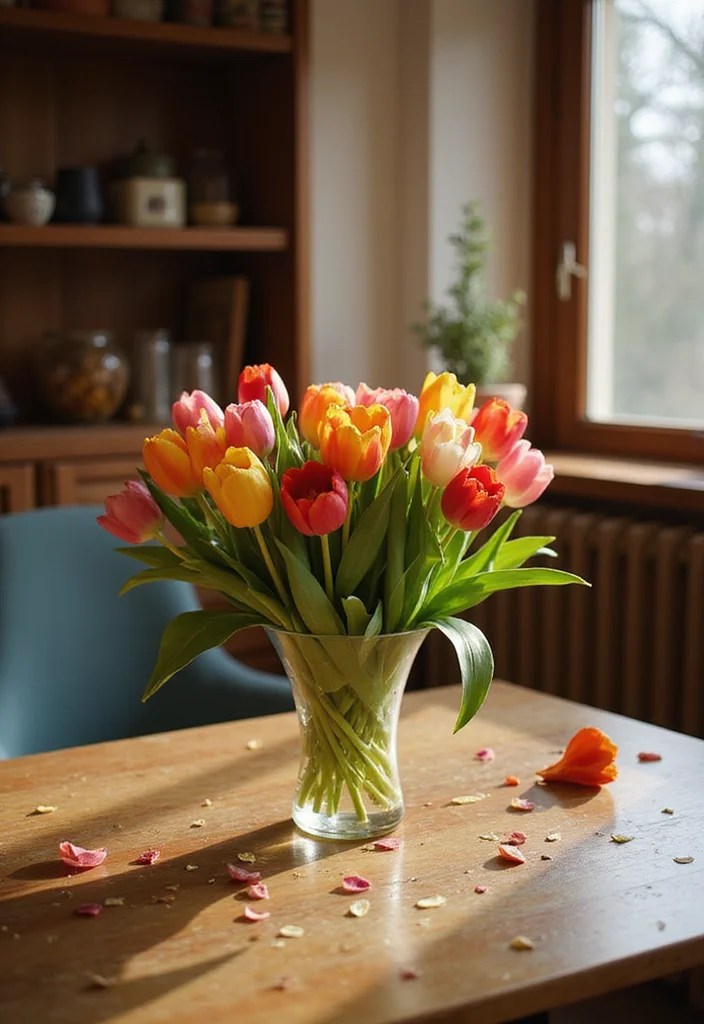
Tulips are a fabulous way to bring a touch of spring elegance into your home. Their brilliant colors and various shapes can complement any decor style, whether it’s chic and modern or cozy and traditional. With tulips, you not only add beauty but also an uplifting vibe that brightens your space effortlessly.
Caring for tulips is straightforward, allowing you to enjoy their beauty with minimal effort. Just keep them in cool water and avoid placing them in direct sunlight to extend their freshness.
Key tips for maintaining your tulips:
– Ensure proper drainage in the vase to avoid rotting.
– Change the water every few days to keep it clean.
– Trim the stems at an angle weekly for better absorption.
– Add a teaspoon of sugar to extend their lifespan.
With the right care, tulips can brighten your home for up to a week, creating a lovely atmosphere that everyone will admire.
Related Video: How to get tulips to come back year after year
2. Lilies: A Touch of Luxury
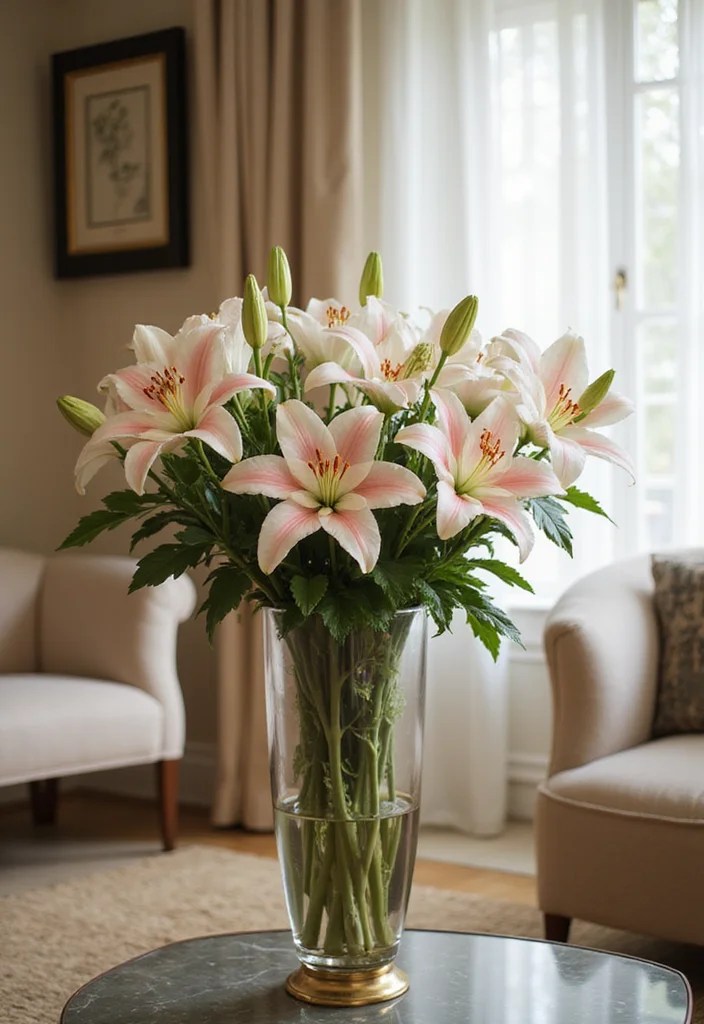
Lilies are stunning flowers that bring a sense of luxury to any room. Their large, fragrant blooms can serve as a gorgeous centerpiece, captivating anyone who enters. Available in varieties like the classic oriental or the elegant calla lily, they fit beautifully into diverse home decor themes.
To keep your lilies looking their best, place them in bright, indirect sunlight and pay attention to their watering needs.
Caring tips for your lilies:
– Remove pollen-bearing stamens to prevent stains on surfaces.
– Change the water regularly for cleanliness.
– Trim the stems to promote new growth and longevity.
With proper care, these beautiful blooms can last up to two weeks, filling your home with their delightful fragrance.
Product Recommendations:
• women flower cutting scissors
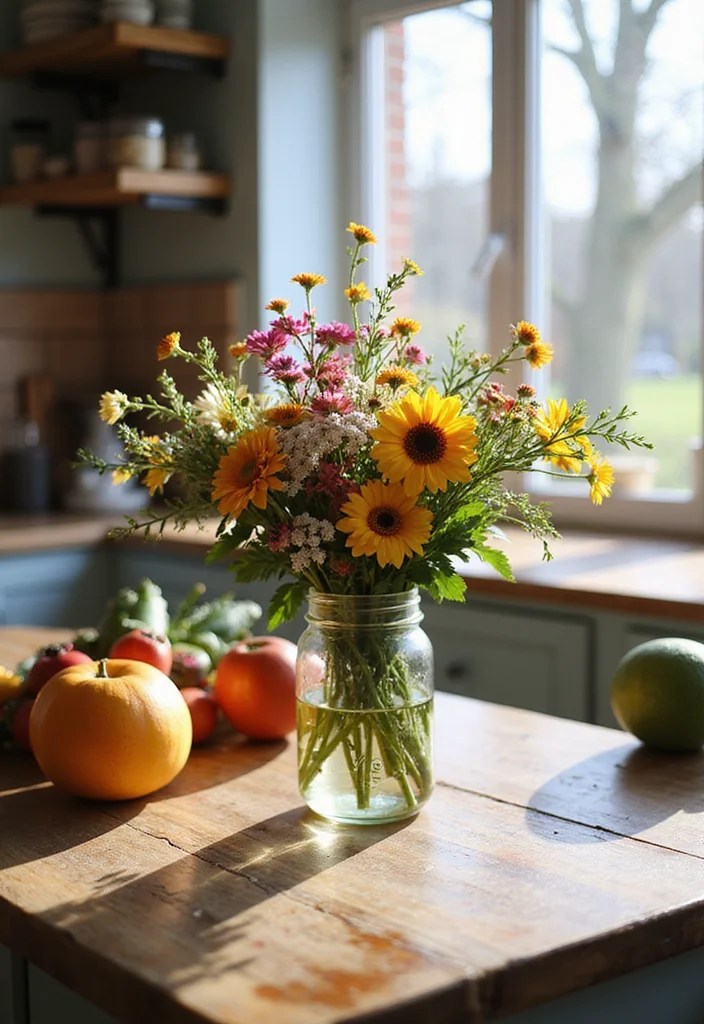
Wildflowers embody a carefree spirit and natural beauty, making them a wonderful addition to your home. Their vibrant colors and unique shapes evoke the charm of a blooming meadow, perfect for those who appreciate a relaxed aesthetic. Wildflowers effortlessly create delightful arrangements with very little fuss.
To care for wildflowers, remember these simple tips:
– Use a mixed bouquet for a more natural look.
– Place them in a wide, shallow vase to mimic their wild habitat.
– Change the water regularly to keep them vibrant.
– Add a few drops of bleach to prevent bacteria.
Their whimsical nature allows wildflowers to last about a week, making them a fantastic conversation starter in your home.
Ongoing Maintenance & Care Guide
Maintaining pretty flowers like tulips, lilies, and wildflowers at home requires attention but can be quite simple with a proper care routine. Below, you’ll find a detailed guide to help keep your blooms thriving and beautiful all year round.
Maintenance Schedule:
Daily/Weekly Tasks:
– Check Water Levels: Ensure your flowers have enough water. This task takes about 5-10 minutes daily.
– Remove Wilting Flowers & Leaves: Snip off any dying blooms or leaves to keep your arrangement fresh. This will take around 10 minutes each week.
– Monitor Sunlight Exposure: Adjust the flowers’ location if they’re not getting enough light. This should take about 5 minutes a week.
– Dust the Leaves: Gently wipe leaves with a damp cloth to remove dust. Spend about 10 minutes on this weekly.
Monthly/Seasonal Tasks:
– Fertilize the Flowers: Use a balanced flower fertilizer once a month. This task takes around 15 minutes.
– Rotate the Vases: Change the position of your flower arrangements to promote even growth. This can take about 10 minutes.
– Prune Stems: Trim stems to encourage new growth and remove any dead ends. This task may take around 20 minutes each month.
– Change Water: Replace the water in your vases every couple of weeks to prevent bacteria buildup. This takes about 15 minutes.
– Inspect for Pests: Regularly check for pests and treat them as necessary. Spend around 10 minutes each month on this.
Maintenance Summary Table:
| Task | Frequency | Difficulty | Time Needed |
|————————–|——————–|————-|————–|
| Check Water Levels | Daily | Easy | 5-10 minutes |
| Remove Wilting Flowers | Weekly | Easy | 10 minutes |
| Monitor Sunlight Exposure | Weekly | Easy | 5 minutes |
| Dust the Leaves | Weekly | Easy | 10 minutes |
| Fertilize the Flowers | Monthly | Moderate | 15 minutes |
| Rotate the Vases | Monthly | Easy | 10 minutes |
| Prune Stems | Monthly | Moderate | 20 minutes |
| Change Water | Every 2 weeks | Easy | 15 minutes |
| Inspect for Pests | Monthly | Moderate | 10 minutes |
Common Issues to Watch For:
Wilting Leaves: If leaves start to droop, it could indicate a lack of water. Check the soil moisture and add water if needed.
Browning Edges: Brown tips can signify over-fertilization or dry air. Trim damaged edges and adjust the environment accordingly.
Mold or Slime in Water: This indicates stagnant water or bacteria. Change the water immediately and clean the vase to prevent it from recurring.
Pest Infestation: If you notice tiny bugs or webbing, check the leaves and stems closely. You may need to treat with insecticide or natural remedies.
Fading Colors: Flowers losing their vibrancy may not be getting enough nutrients or sunlight. Adjust fertilization or move them to a brighter spot.
Care Tips:
Use Clean Tools: Always use clean scissors or pruners to avoid spreading disease. This simple practice keeps your flowers healthy.
Keep Water Fresh: Adding a bit of lemon juice or sugar to the water can help keep your flowers vibrant longer. A small amount goes a long way!
Avoid Direct Heat Sources: Keep flowers away from radiators, heaters, or drafts. They thrive best in a stable, moderate environment.
Consider Flower Food: Many flowers benefit from a powdered flower food. Follow the instructions for the right amount to use occasionally.
Regularly Change Vases: For wildflowers, consider switching vases based on the season. A fresh, seasonal vase can enhance their beauty and style.
With these ongoing maintenance and care tips, your home will be filled with pretty flowers that brighten your space. Keep up with the schedule, and enjoy the vibrant colors and delightful fragrances they bring!
4. Seasonal Arrangements: Reflect Nature’s Beauty
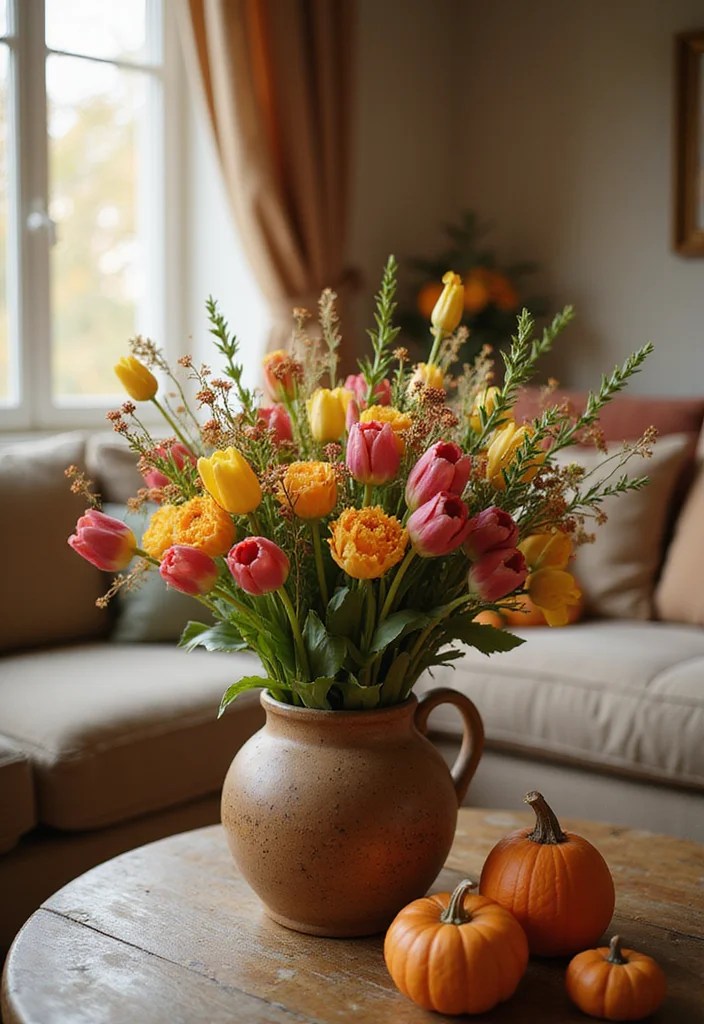
Crafting seasonal arrangements with tulips, lilies, and wildflowers is a beautiful way to showcase the changing seasons indoors. Spring’s vibrant combinations can be complemented by the rich tones of autumn. This approach not only highlights your style but also celebrates nature’s ever-evolving beauty.
To create stunning seasonal displays:
– Mix and match colors that reflect the current season.
– Incorporate natural elements like twigs or seasonal foliage for texture.
– Use vases that enhance the arrangement, like rustic pots for wildflowers or sleek glass for refined blooms.
These arrangements will not only beautify your space but also create a warm and inviting atmosphere.
5. DIY Flower Arrangements: Get Creative!
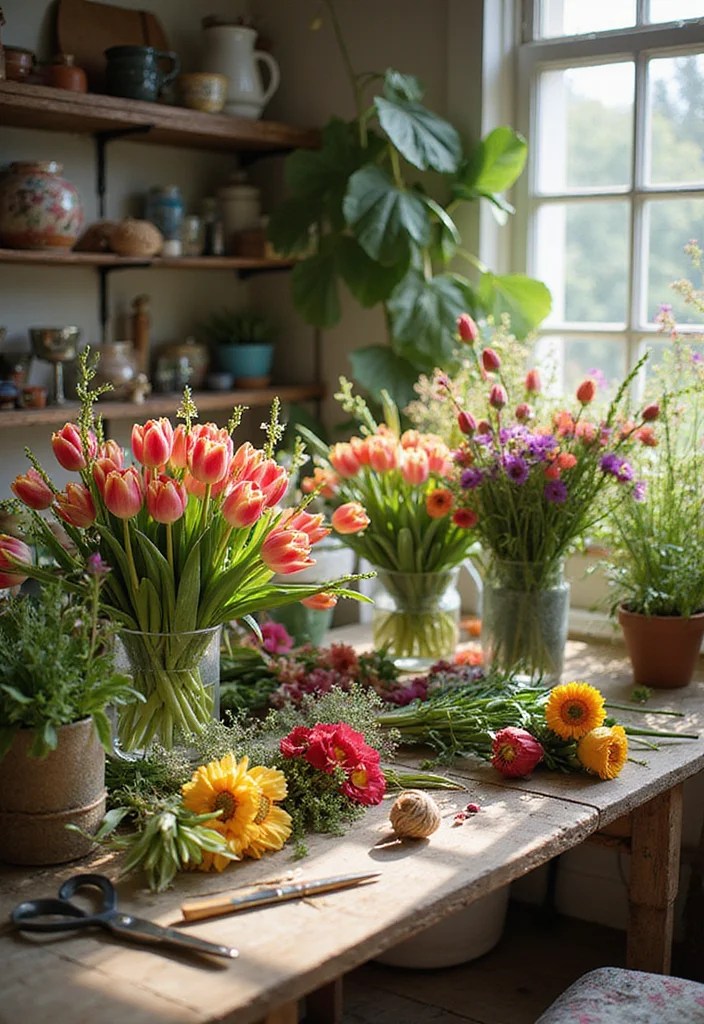
Creating your own flower arrangements is a fun and fulfilling way to personalize your decor. By mixing tulips, lilies, and wildflowers, you can craft unique displays that reflect your individual style. This creative process allows you to play with different textures and colors for a vibrant result.
Here are some easy DIY tips:
– Choose a variety of flower types for dynamism.
– Trim stems to varying lengths for a natural look.
– Use floral foam or tape to secure stems effectively.
– Incorporate greenery or filler flowers for a lush effect.
DIY arrangements not only enhance your space but also provide a satisfying creative outlet.
Product Recommendations:
You might also like

Thanksgiving Centerpieces Using Grocery Store Flowers

Create Your Own Cocoa Snack Platter: 7 Delicious Combinations You Can’t Resist!
6. Caring for Cut Flowers: Prolong Their Life

To enjoy the beauty of your flowers fully, proper care after purchase is crucial. Here’s a simple guide to help your cut flowers thrive:
– Start by trimming stems at an angle for better water absorption.
– Remove leaves that fall below the water line to prevent rot.
– Use a clean vase and fresh water, adding flower food if available.
– Keep flowers out of direct sunlight and away from heat.
Following these straightforward care tips can significantly extend the life of your arrangements, allowing you to enjoy their beauty longer.
Treat each bouquet like a tiny spa day for blossoms. Trim stems at an angle, refresh the water daily, and keep pretty flowers out of direct sun—this simple care makes them last longer and stay vibrant.
Image credit: julia on Pinterest
7. Flower Arranging Styles: Find Your Aesthetic
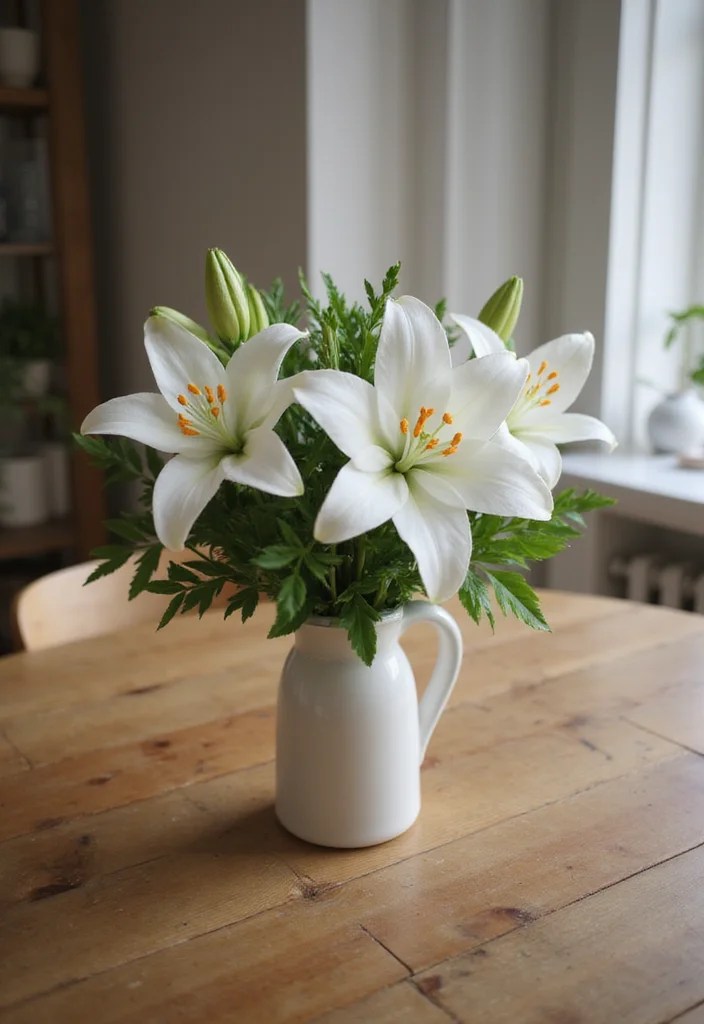
Choosing a floral arranging style can dramatically influence the vibe of your home. From traditional bouquets to modern designs, understanding your preferred style helps you create stunning displays.
Here are a few popular styles to explore:
– Traditional: Features symmetrical arrangements with a single flower type.
– Freeform: A loose style that mimics natural growth.
– Minimalist: Focuses on fewer blooms and negative space for simplicity.
– Rustic: Incorporates wildflowers and natural fibers for a cozy feel.
Discovering your style will help you create beautiful focal points throughout your home.
Fun fact: rooms using a single flower arranging style can feel 20% more cohesive. When you pair pretty flowers with traditional, freeform, or minimalist layouts, your space instantly reads calmer and more stylish.
Product Recommendations:
• women floral arrangement tools
8. Flower Care Myths: What to Ignore
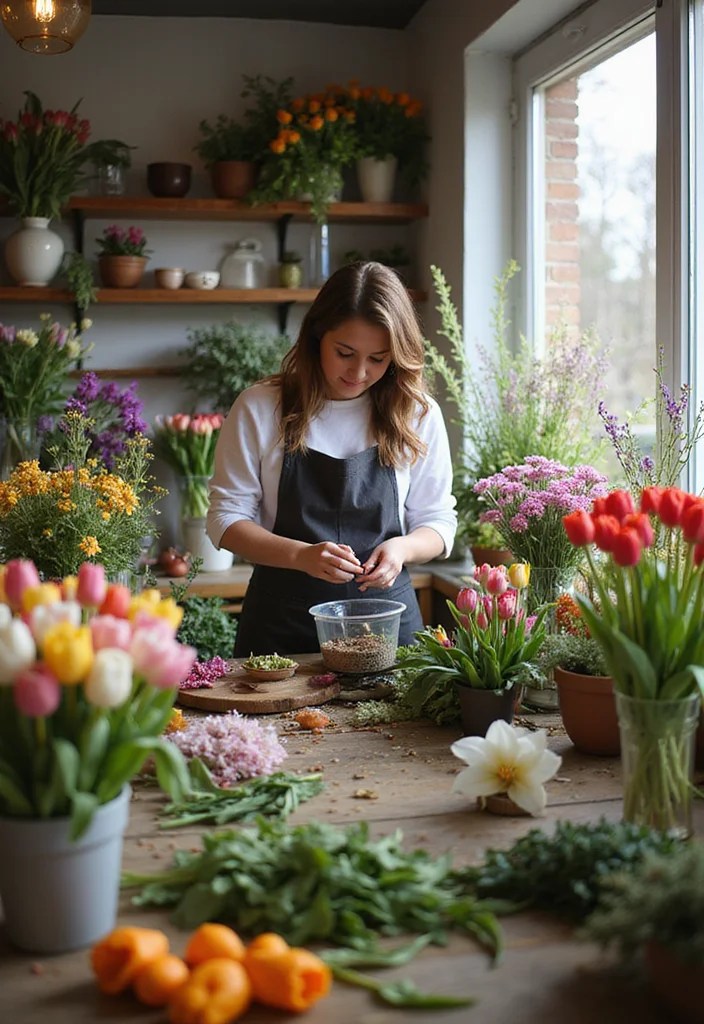
In the world of flower care, many myths can mislead even the most passionate enthusiasts. Recognizing what’s true and what’s not will help keep your flowers healthy and vibrant.
Common myths to ignore:
– Myth: Cutting stems under water is necessary. Reality: Cut stems at an angle above water to prevent air.
– Myth: Adding sugar is always beneficial. Reality: It can feed bacteria if not used wisely.
– Myth: Flowers need direct sunlight. Reality: Most thrive in bright, indirect light.
Focusing on facts rather than myths is essential for enjoying your beautiful flowers longer.
9. Seasonal Flower Choices: What to Buy
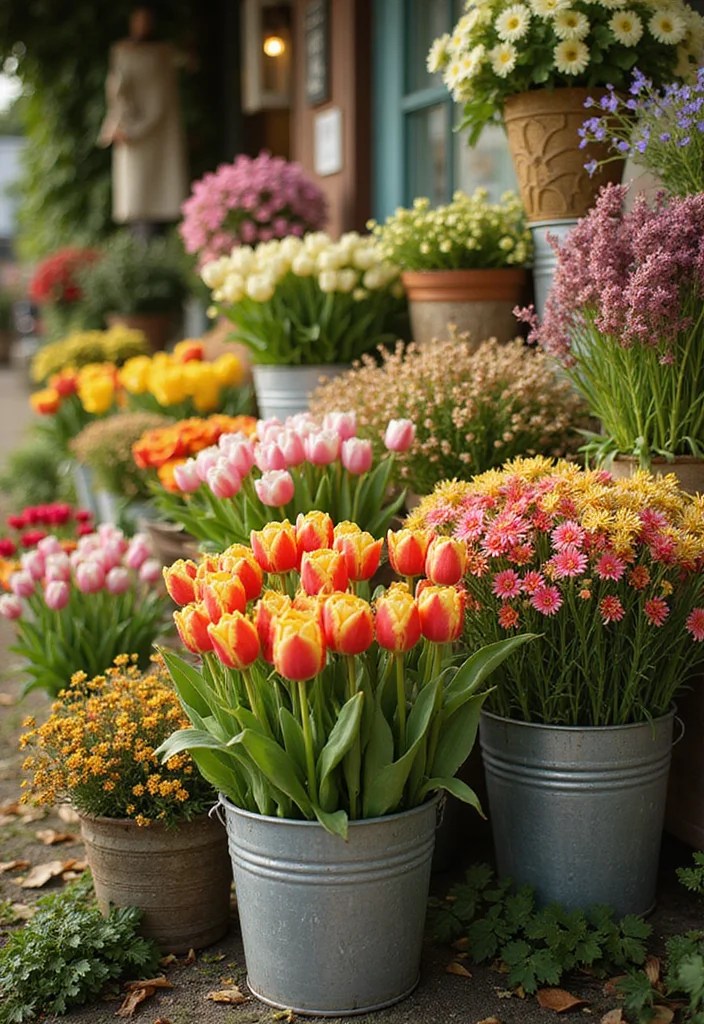
Choosing seasonal flowers enhances their natural beauty and can save you money. Here are some great options based on the season:
– Spring: Tulips and lilacs are in their prime.
– Summer: Wildflowers and sunflowers bring warmth.
– Fall: Mums and dahlias offer rich autumn hues.
– Winter: Amaryllis or poinsettias brighten chilly months.
By selecting seasonal flowers, you’ll discover unique varieties while supporting local growers.
Fun fact: Seasonal blooms can be 20-40% cheaper and last longer in the vase. For pretty flowers at home, plan by season: tulips and lilacs in spring, wildflowers and sunflowers in summer, mums and dahlias in fall, and amaryllis or poinsettias in winter.
Product Recommendations:
10. The Joy of Flower Gifting: Share the Beauty
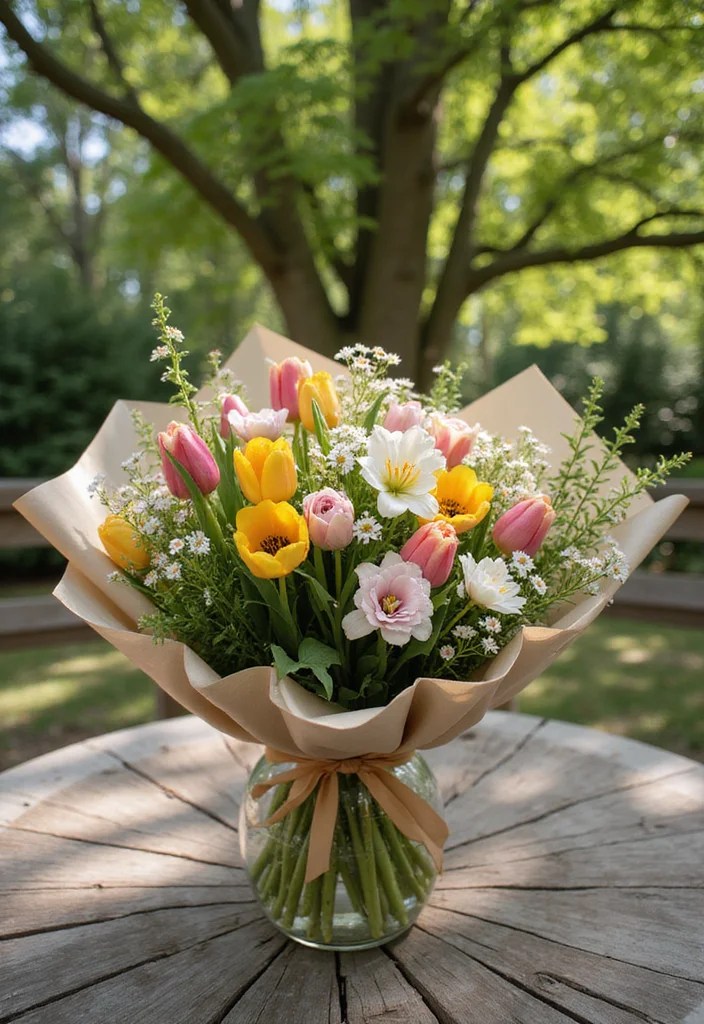
Flowers are an ideal gift for any occasion, spreading joy with their vibrant beauty. Gifting flowers can brighten someone’s day and convey emotions that words may not capture.
Consider these special occasions for gifting:
– Birthdays: Brightly colored arrangements celebrate the day.
– Anniversaries: Classic reds and pinks symbolize love.
– Thank You: A simple bouquet of wildflowers expresses gratitude.
– Sympathy: Soft white lilies show your condolences.
Personalizing the gift based on the recipient’s preferences makes it even more special. The gift of flowers is a timeless gesture that everyone appreciates.
Product Recommendations:
Conclusion
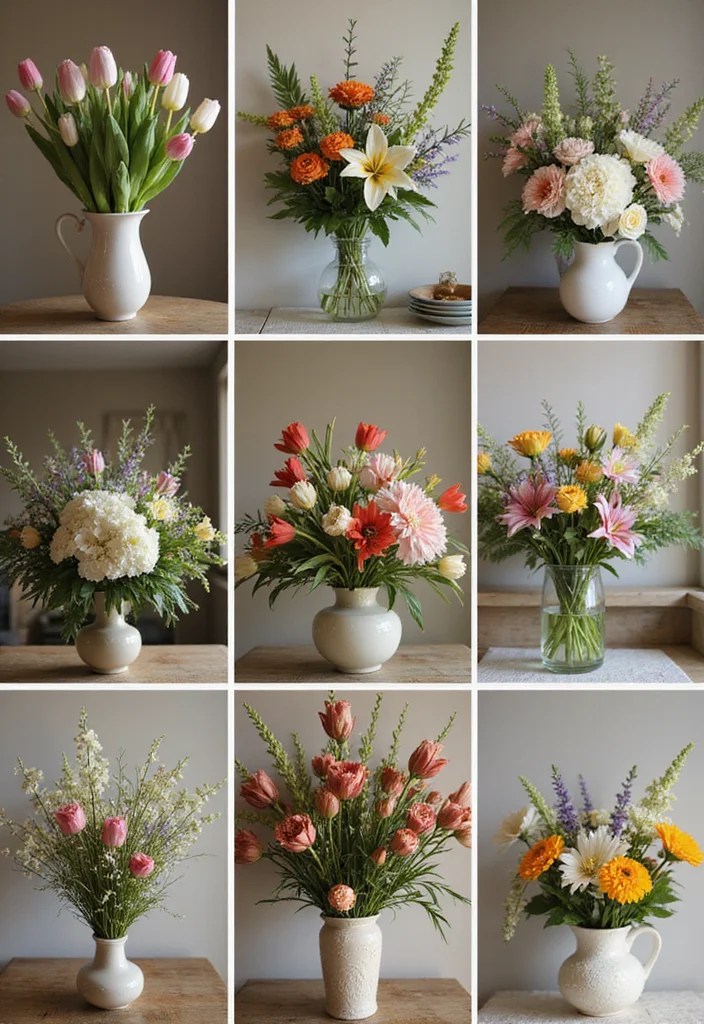
Incorporating pretty flowers like tulips, lilies, and wildflowers into your home adds a splash of color and life, enhancing your space’s beauty and atmosphere. Armed with easy care tips and creative ideas, you can enjoy these blooms longer and cultivate your love for flower gardening.
So, gather your favorite flowers, experiment with arrangements, and embrace the joy they bring into your life.
Note: We aim to provide accurate product links, but some may occasionally expire or become unavailable. If this happens, please search directly on Amazon for the product or a suitable alternative.
This post contains Amazon affiliate links, meaning we may earn a small commission if you purchase through our links, at no extra cost to you.
Frequently Asked Questions
What makes tulips, lilies, and wildflowers ideal for creating pretty flowers at home?
Tulips, lilies, and wildflowers bring color, fragrance, and seasonal appeal to any space, making them ideal for pretty flowers at home.
To grow them successfully, start with varieties suited to your climate and light. Plant tulip bulbs in fall at a depth of about 15 cm, water well after planting, and mulch to protect them. Lilies love sunny, well-draining soil and benefit from staking tall stems. For wildflowers, begin with native seed mixes and sow in prepared soil according to package directions. General easy care tips: keep the soil evenly moist but not soggy, feed once in spring with a balanced fertilizer, deadhead faded blooms to encourage more flowering, and mulch to suppress weeds. When growing indoors, choose clean pots with drainage, provide bright light, and water when the top inch of soil dries. With these easy care tips, your home can glow with beautiful pretty flowers year after year.
What are easy care tips to keep pretty flowers like tulips, lilies, and wildflowers healthy at home?
Here are practical, easy care tips to keep pretty flowers thriving: give them the right light—most tulips and lilies need full sun, while many wildflowers tolerate full sun to light shade; plant in well-draining soil and avoid soggy roots; water deeply but infrequently, letting the soil dry a bit between waterings; feed with a balanced fertilizer in early spring for perennials and with bulb fertilizer for tulips; mulch to conserve moisture and deter weeds; deadhead spent blooms to extend flowering; monitor for pests and treat promptly with home-safe options; and for cut flowers, trim stems and refresh water regularly. These simple steps embody easy care tips to enjoy long-lasting, vibrant pretty flowers at home.
When is the best time to plant tulips and lilies for vibrant spring color?
For vibrant spring color, plant bulbs at the right time and in the right conditions. Tulips are best planted in fall, about 6-8 inches deep (15-20 cm) with plenty of space for root growth and airflow. Choose well-draining soil and a sunny spot; water after planting and mulch lightly. Lilies can be planted in fall or early spring depending on the variety, in a sunny, well-drained location; plant bulbs or bare roots with their tops just below the soil surface and provide support as they grow. In both cases, avoid heavy clay or waterlogged spots, and protect bulbs from rodents with shallow wire mesh or bulb cages. With proper timing and soil preparation, your garden will glow with pretty flowers come spring.
How can I cut and arrange pretty flowers at home to last longer?
To make cut pretty flowers last, harvest early in the morning when blooms are firm. Cut stems at a clean angle and remove any leaves that will sit below the water line. Use a clean vase with fresh water and add floral food if you have it. Change the water every 2-3 days and re-cut stems each time to improve uptake. Keep vases away from heat, direct sun, and ripening fruit. For tulips and lilies in arrangements, place the vase in a cool spot overnight and adjust as stems lengthen. With these easy care tips for cut flowers, your home display will stay fresh longer.
Are wildflowers suitable for beginners and how do I choose varieties for a home garden?
Yes! Many native wildflowers are ideal for beginners because they tolerate local conditions when given proper soil and light. Start by choosing varieties suited to your sun exposure and soil type, whether you have sandy beds, clay soil, or a loamy mix. Decide if you want annuals for quick color or perennials for long-lasting beds, or a mix of both. For a simple start, sow a native wildflower mix in spring or fall according to the package directions, water gently until established, and mulch to reduce weeds. Space plants according to mature size and pair with easy care tips like mulching and light fertilizing. Choosing the right varieties helps ensure your garden becomes a charming collection of pretty flowers year after year.
Related Topics
pretty flowers
flower gardening
easy care tips
tulip care
lily varieties
wildflower garden
beginner friendly
seasonal blooms
indoor flowers
outdoor gardening
low maintenance
colorful arrangements


Leave a Reply