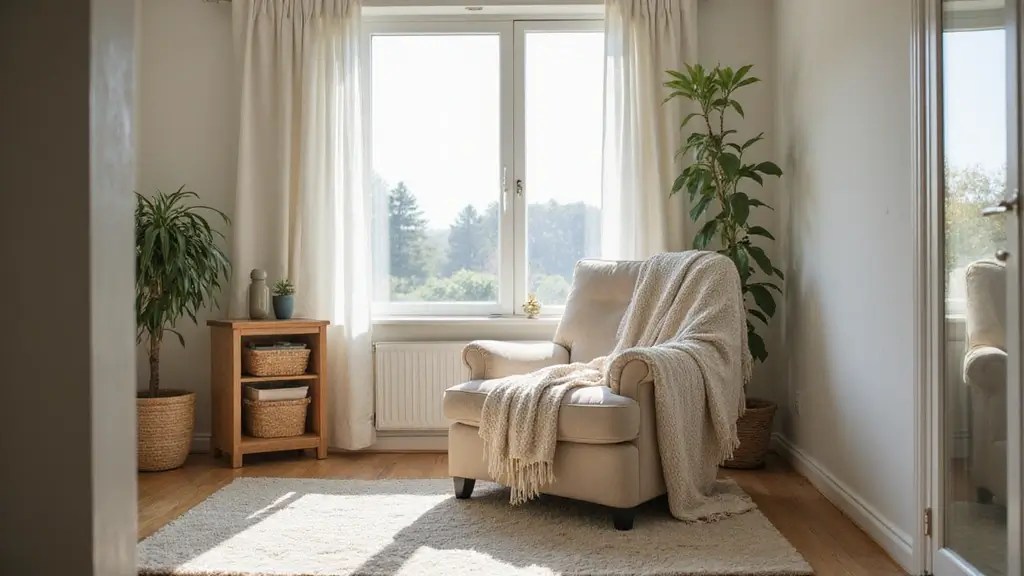
Creating personal space in a bustling family home can feel like an impossible task. Between the kids’ chaotic activities, the never-ending chores, and the constant buzz of life, finding a quiet corner for your own peace might seem out of reach. Yet, carving out that sacred space is essential for your mental well-being and self-care. By intentionally designing small, serene spots within your home, you can recharge and reconnect with yourself. It’s not just about having a physical space; it’s about prioritizing your mental health amidst the family chaos. Let’s explore ten ways to establish personal retreats that can enhance mindfulness for both you and your family.
Contents
- 1. Designate a No-Touch Zone
- 2. Create a Mini Meditation Corner
- 3. Repurpose a Closet
- 4. Take Advantage of Outdoor Spaces
- 5. Craft a Family Sharing Wall
- 6. Schedule Personal Time
- 7. Establish Tech-Free Zones
- 8. Use Aromatherapy for a Calming Atmosphere
- 9. Utilize Soft Textures
- 10. Teach Kids About Personal Boundaries
1. Designate a No-Touch Zone
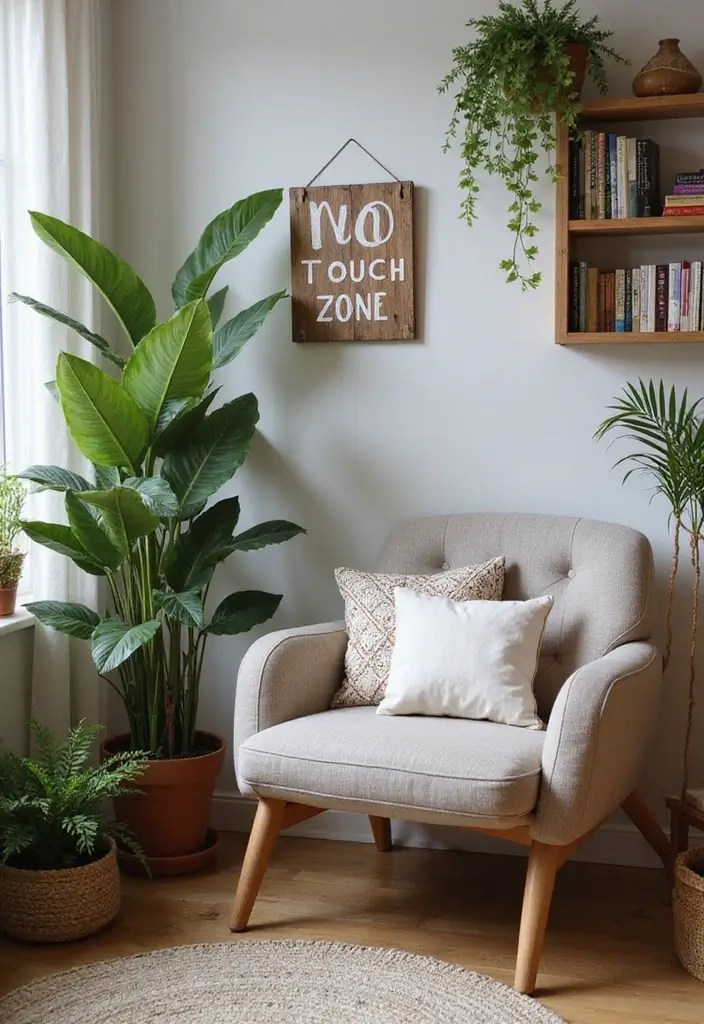
Imagine having a space in your home where the kids know they can’t intrude. This ‘no-touch zone’ can be a corner in your bedroom, a secluded spot in the living room, or even a nook in a hallway. The idea is to declare this area as your own personal retreat. You can fill it with your favorite books, a comfy chair like the comfy reading chair, or even meditation cushions such as the meditation cushions. These additions help create a serene environment, allowing you to recharge while signaling to your family that this is your time to unwind.
Strongly communicate the boundaries around your ‘no-touch zone’ to your family, encouraging them to honor it while also teaching them the value of personal space. You could use soft signage, like the decorative sign for personal space, to remind everyone that this is your sanctuary. Furthermore, establish a routine where you spend some time in your designated area each day, helping reinforce this personal space habit.
The beauty of this idea is that it can be flexible; as your kids grow, you can reshape the space to reflect your changing needs. Remember, this isn’t about excluding your family; it’s about ensuring you have a moment to breathe amidst the hustle.
Creating a ‘no-touch zone’ in your home is more than just a boundary; it’s a sanctuary for your soul. In those quiet corners, you recharge, and in doing so, you teach your family the value of personal space.
2. Create a Mini Meditation Corner
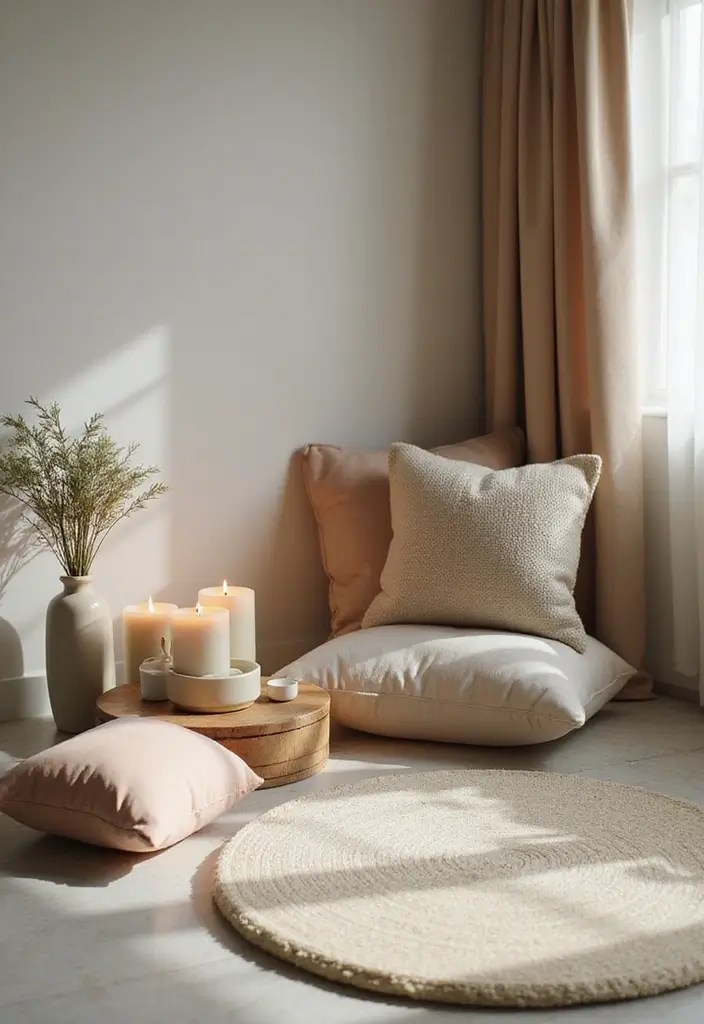
Bringing mindfulness into your home doesn’t require a complete overhaul, but rather a small dedicated area for meditation or quiet reflection. A mini meditation corner can consist of a small mat or pillow, like the Meditation Cushion, which provides adjustable support and comfort as you unwind. Surround this space with calming elements such as candles, soft lighting, or an Essential Oil Diffuser. The gentle mist and soothing scents can help create a serene atmosphere, perfect for relaxation.
Even a simple corner with a soft throw blanket, like the Soft Throw Blanket, and some cushions can work wonders. This blanket adds a touch of warmth and comfort, inviting you to sit down and embrace moments of peace.
Set this space apart from your bustling family environment to signal to yourself that it’s time to unwind. Aim for a spot with natural light or soft, soothing colors that invite relaxation. Try to incorporate personal items that inspire you—like pictures or quotes—that align with your mindfulness journey.
Regularly spend a few minutes here, practicing deep breathing or enjoying a moment of silence. You might even encourage your kids to join you for brief moments of mindfulness. Not only does this practice benefit you, but it can help instill the importance of self-care in your children too.
Creating a mini meditation corner can turn chaos into calm. Just a few mindful elements can signal to your busy family that you’re stepping into your personal space to recharge!
3. Repurpose a Closet
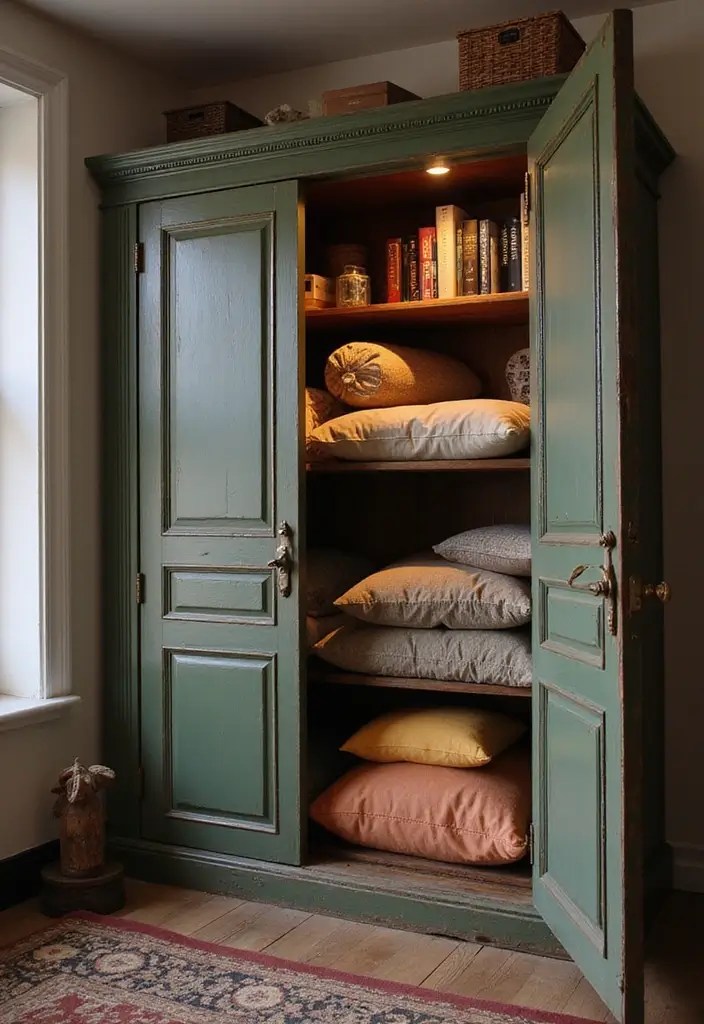
Don’t let unused closets gather dust! Transforming a closet into your personal retreat can be a creative and space-saving solution. With a little organization, you can convert it into a cozy reading nook or a quiet workspace. To add warmth and comfort, consider draping a cozy throw blanket over a small seat. This makes it inviting for those moments when you want to curl up with a good book.
Enhance the ambiance by stringing up fairy string lights inside the closet. These soft, twinkling lights not only brighten the space but also create a magical atmosphere that can help you unwind. Add shelves for books or hobbies that ignite your passion, and consider including a few calming elements like a soft rug or inspiring artwork.
A small accent chair can be the perfect seat to relax in while you escape from family chaos. This hidden treasure can be your go-to space for a quick retreat, making it a perfect sanctuary. Plus, it’s a stealthy way to ensure you get your personal space without it being too visible for the kids.
Be sure to communicate with your family about how to maintain this area, as it may require some extra organization, but it will be worth it for the bit of calm it brings to your day.
4. Take Advantage of Outdoor Spaces
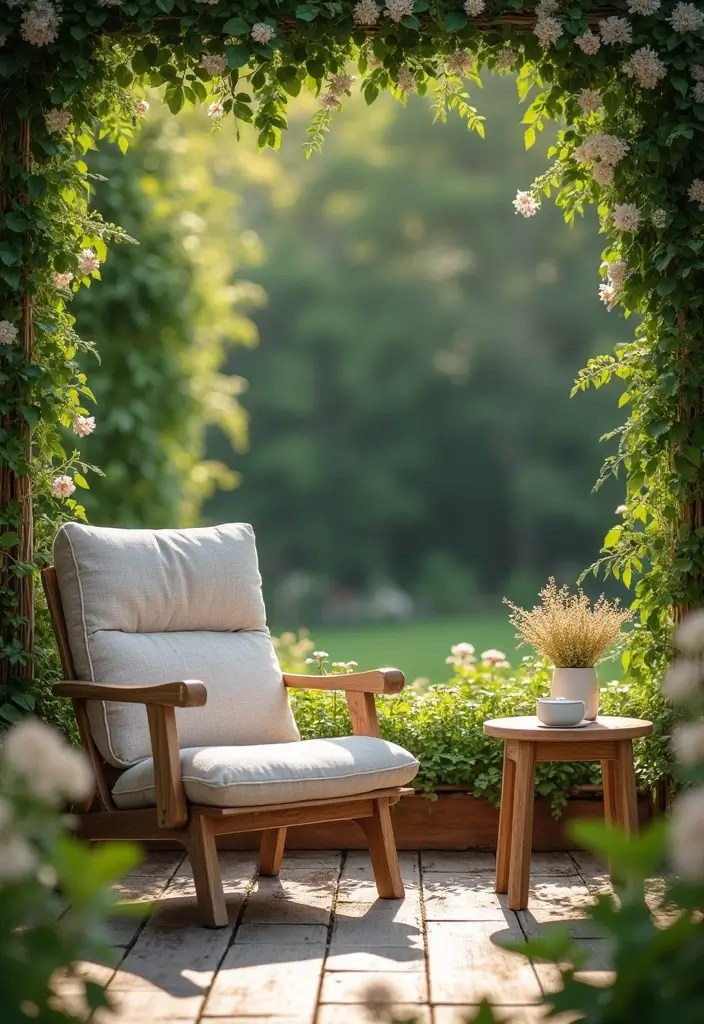
If you’re lucky enough to have a backyard, balcony, or even a front porch, utilize these areas as your personal escape. Outdoor spaces can be incredibly refreshing and provide the perfect backdrop for mindfulness practices or simply enjoying a quiet moment with a cup of tea.
To make your outdoor retreat more inviting, consider adding a cozy outdoor hammock. With a capacity of 400 lb, it’s perfect for lounging and enjoying the serenity of nature. You can easily set it up using tree straps, and it’s portable enough to take anywhere—from your backyard to the beach.
Moreover, enhancing your seating with outdoor cushions can add both comfort and style to your space. These waterproof cushions are designed to fit patio furniture perfectly, providing extra comfort while you unwind.
Surround your outdoor area with elements that nurture your mood, such as potted plants. These faux plants require no maintenance and can beautify your setting, helping to create a sense of tranquility as you soak in the fresh air.
Encourage your family to join you at times, emphasizing that outdoor spaces can foster togetherness as well. Balancing family time with personal moments can show your kids the importance of self-care while enjoying nature.
Find your personal space outdoors; even a few moments with nature can rejuvenate your mind and spirit. Create a cozy corner, and let the tranquility of fresh air work its magic.
5. Craft a Family Sharing Wall
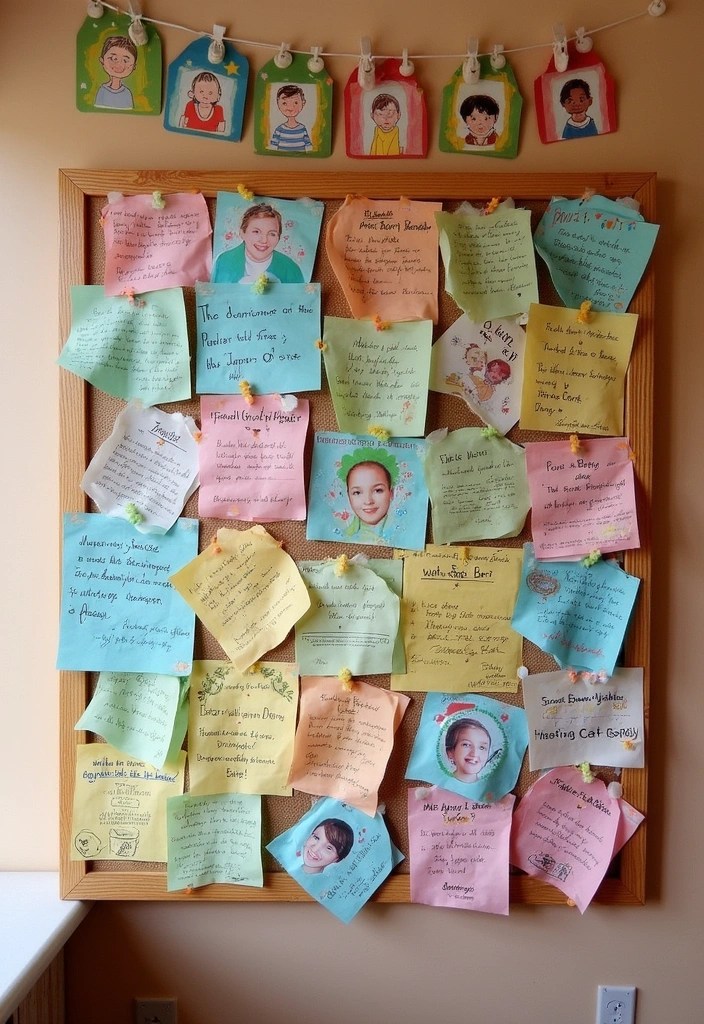
Creating a family sharing wall is a great way to blend personal space with family connection. This could be a corkboard, a chalkboard, or a designated wall where everyone in the family can pin up notes, photos, quotes, or accomplishments. Using corkboard wall tiles provides a versatile and stylish option for this, allowing family members to easily pin up their thoughts and creations. It encourages everyone to express themselves and share their personal experiences.
To make this space special, designate a unique color for everyone. Kids can write their journal entries or positive affirmations while using chalkboard wall decals offer a fun way to jot down notes with included colored chalk. Parents can share their goals or daily reminders, fostering communication while teaching children about the importance of sharing space with personal elements.
Adding to the fun, consider using colorful markers set for kids to illustrate their ideas or create vibrant decorations for the wall. This not only enhances the visual appeal of the space but also nurtures creativity.
By contributing to this wall, family members can understand each other better, strengthening the family bond while respecting each other’s individuality. Be sure to make it a fun activity, setting aside time each week to refresh the wall and admire everyone’s contributions.
You might also like

15 Cozy One-Pot Fall Dinners Busy Moms Swear By (You Won’t Believe #8!)

10 Stylish Handrail Designs for Modern Homes (Safety Meets Style)
6. Schedule Personal Time
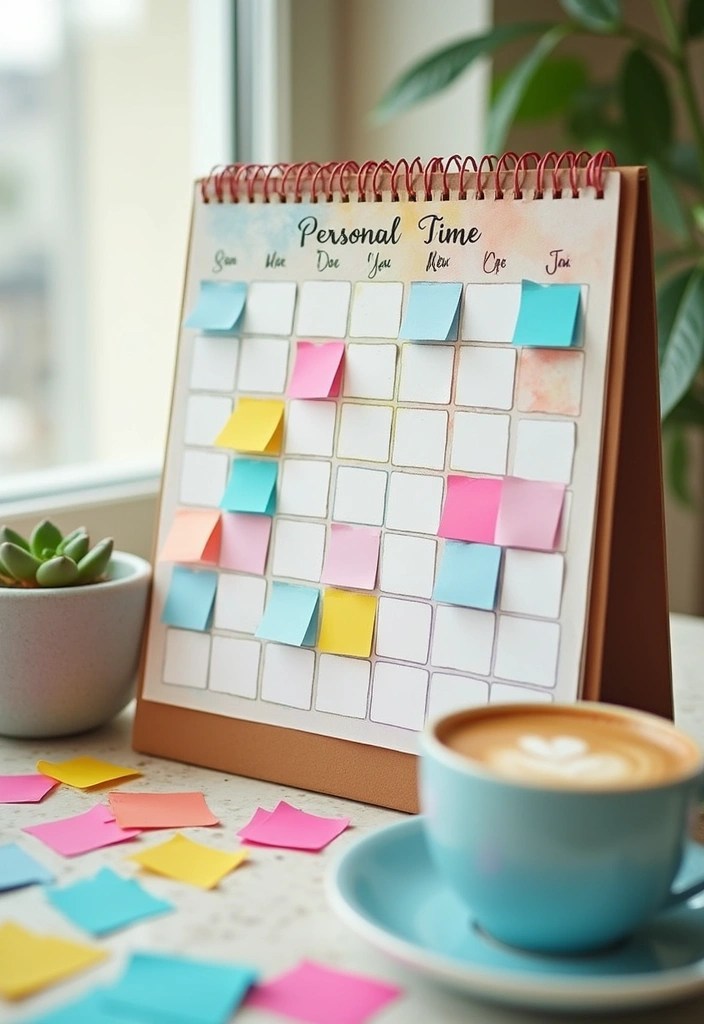
Even the busiest family needs to schedule personal time. Carve out designated moments in your week where you can indulge in your favorite activities, whether that’s reading, crafting, or just enjoying a coffee break. Let your family know this time is sacred, and encourage them to find their moments of personal enjoyment too.
To help organize this essential personal time, consider using a Family Calendar Planner. This planner provides a visual reminder for everyone in the household, making it easier to mark and respect these personal time slots.
Establishing a culture of self-care within your family teaches kids that everyone needs time to recharge. You could also utilize a Self-Care Journal. This daily reflection notebook is perfect for tracking your personal wellness and activities, allowing you to prioritize your mental health and personal development.
When you prioritize personal time, you’re modeling for your children that self-care is not selfish; it’s essential. Plus, those moments alone can significantly improve your mood and well-being, ultimately benefiting the entire family dynamic.
7. Establish Tech-Free Zones
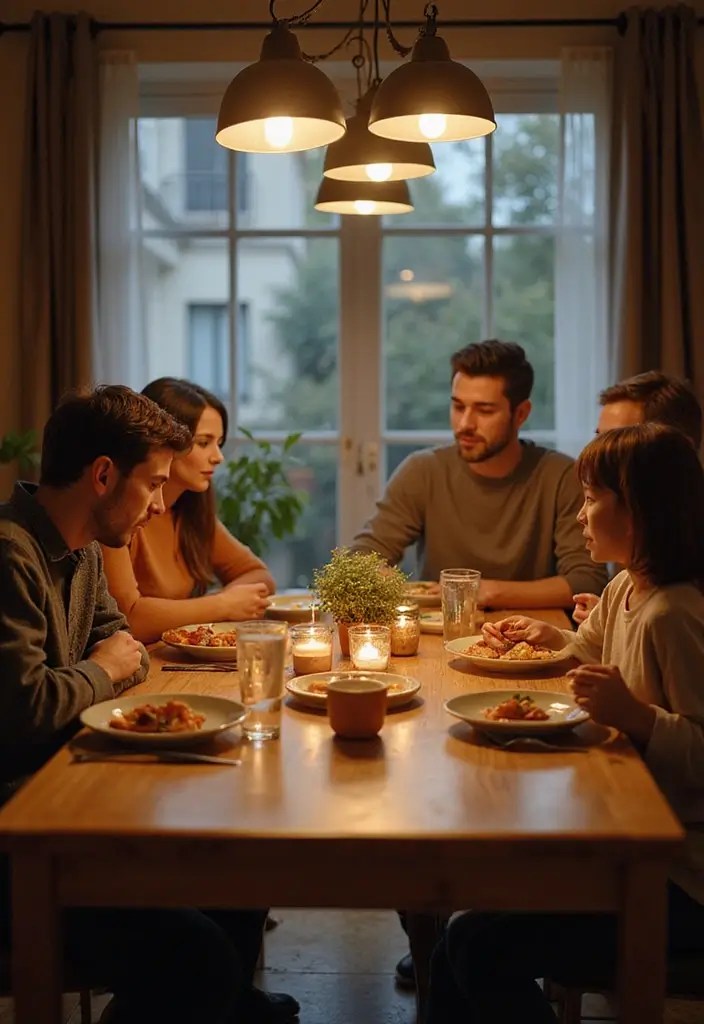
In our digital age, creating tech-free zones in your home is crucial for maintaining mindfulness and personal space. Designate areas, such as the dining room or living room, where technology is not allowed. This encourages genuine conversations and helps everyone unwind from screens.
These spaces can be perfect for family games, like CATAN Board Game (6th Edition), which offers a fun way to trade, build, and settle together. The interactive nature of board games fosters teamwork and friendly competition, making your tech-free time engaging and enjoyable.
Additionally, consider incorporating family reading time with the Magic Tree House Boxed Set, Books 1-4. These books invite everyone to dive into fantastical adventures, sparking imagination and conversation. Reading together strengthens bonds and creates lasting memories, all while keeping the distractions of technology at bay.
Set specific times during the week when the entire family can unplug together, promoting a healthier relationship with technology. By establishing these zones, you create an environment ripe for connection and relaxation, nurturing both personal and family bonds. Remind your kids that it’s perfectly okay to take a break from their devices, fostering a healthier lifestyle overall.
8. Use Aromatherapy for a Calming Atmosphere
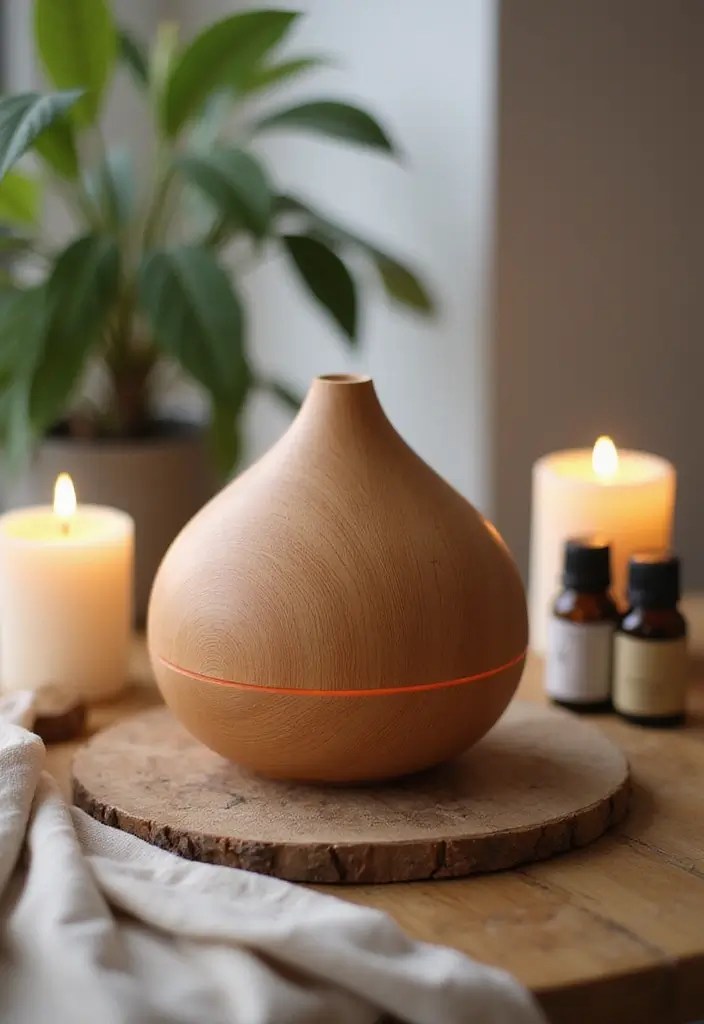
Aromatherapy can work wonders when creating a peaceful environment in your home. Incorporate essential oils into your personal spaces, like lavender or chamomile, known for their calming properties. Consider using an essential oil diffuser to disperse soothing scents throughout your designated areas. This Porseme oil diffuser not only functions as a humidifier but also has a timer setting and auto shut-off for safety, perfect for enhancing your relaxation routines.
Establish a routine where you use these calming aromas during your personal time, signaling your mind that it’s time to unwind. You might also enjoy working with your kids to select scents they find appealing, which can turn into a fun family activity. For a touch of lavender in your space, you can’t go wrong with lavender essential oil. This 100% pure and natural oil is perfect for use in your diffuser, or even in soap and candle making.
If you prefer a more traditional approach, consider using scented candles. This 6 pack of aromatherapy candles comes in soothing scents, including lavender, and offers long-lasting enjoyment—up to 300 hours! Lighting a calming candle can create an inviting atmosphere and signals a moment of peace for the whole family.
Utilizing these scents can shape a tranquil environment in your home, demonstrating to your family the importance of creating a calming atmosphere for everyone.
You Might Also Like
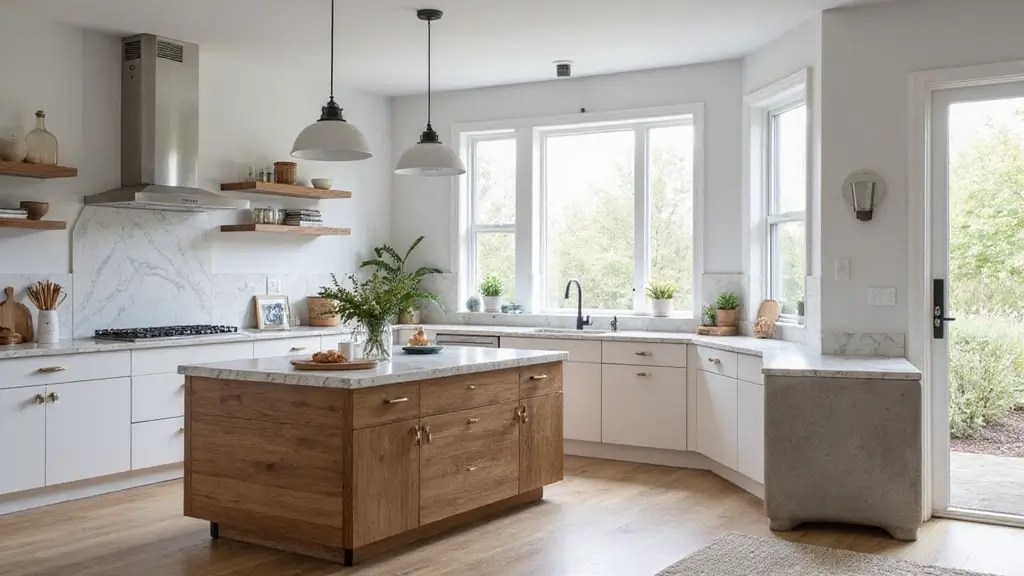
10 Stunning Kitchen Countertop Materials That Will Instantly Elevate Your Space!
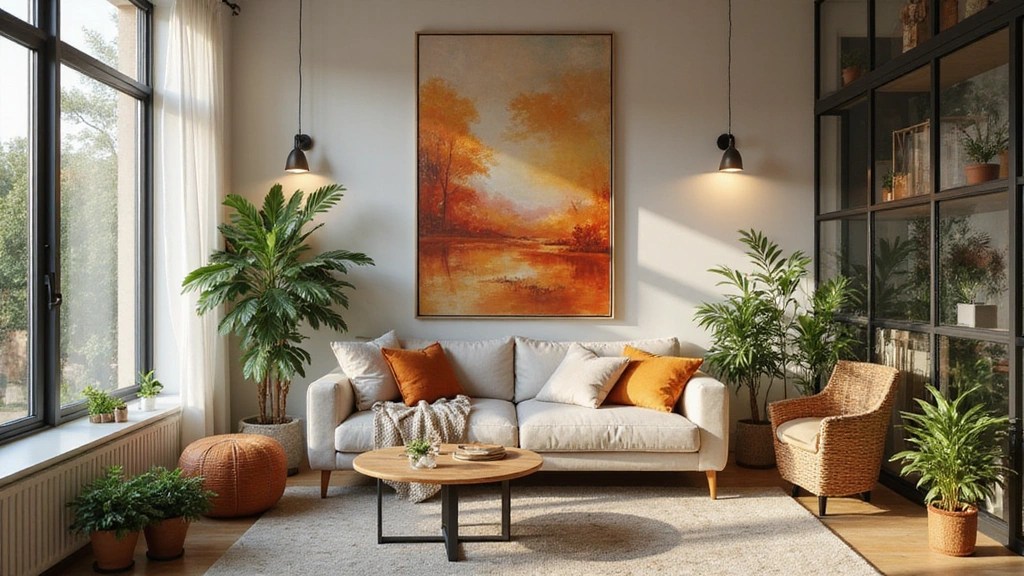
12 Corner Spaces You’re Not Using (But Should Be!) — Cozy Home Decor Ideas
9. Utilize Soft Textures
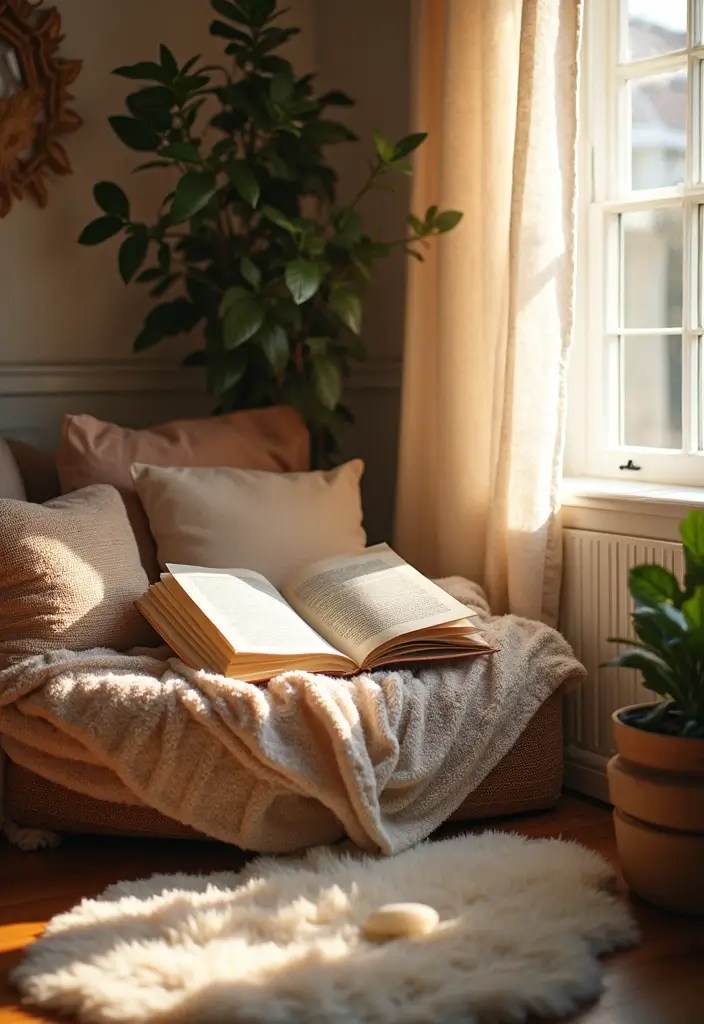
Soft textures can significantly influence the atmosphere of your personal space. Incorporate a cozy fleece throw blanket to drape over your seating area; its thick and warm fabric can create a welcoming environment that encourages relaxation. Pair it with fluffy decorative throw pillows to add an extra layer of softness. These plush cushions not only enhance comfort but also bring a touch of luxury and style to your space.
As you design your personal area, think of textures that calm you—perhaps a soft bean bag chair to sink into while you unwind. Its luxurious velvet and high-rebound memory foam make it perfect for lounging, offering a cozy nook to escape the hustle and bustle of family life.
Encourage your kids to add their favorite textures as well, making it a collaborative effort that allows them to express themselves while respecting your personal area. Creating a texture-focused space not only nurtures your self-care routine but also promotes a sense of comfort for everyone at home, reinforcing the idea that relaxation is essential for the whole family.
10. Teach Kids About Personal Boundaries
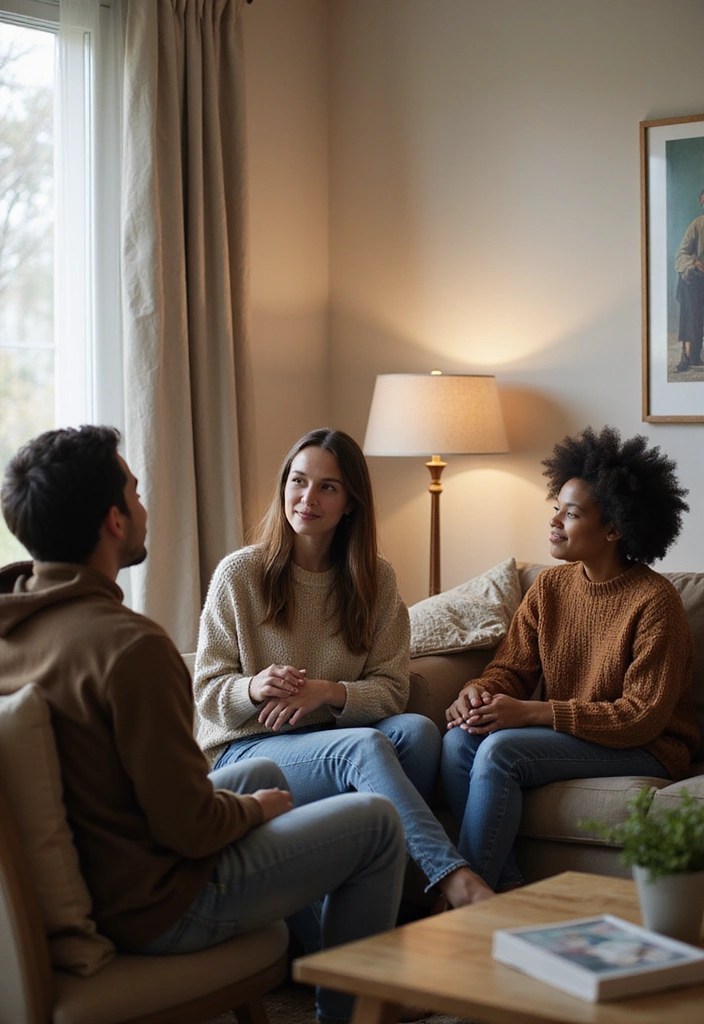
Finally, it’s essential to teach your children about personal boundaries. Discuss the importance of having personal space and why it matters, not just for you but for them too. This can foster a respectful environment where everyone feels safe and understood.
Engage your kids in conversations about their feelings and how having their own space can help them recharge. To make this more interactive and enjoyable, consider incorporating products like personal space visual aids. These can help visually represent the concept of personal boundaries, making it easier for children to grasp the idea of their own space.
You could also use role-playing scenarios to help them understand boundaries in a fun way! Games like Role-Playing Games for Kids can be an excellent way to engage your children while teaching them about respect and personal space through playful interaction.
Additionally, reading books can be a fantastic way to introduce the concept of personal boundaries. A wonderful resource is Our Personal Bubble, which helps young children learn about boundaries and how to interact with others.
Encouraging them to express when they need time alone will cultivate their emotional intelligence and respect for others. By modeling and discussing personal boundaries, you create a healthy family dynamic where everyone learns to appreciate the significance of personal space, contributing to better relationships and understanding within the household.
Conclusion
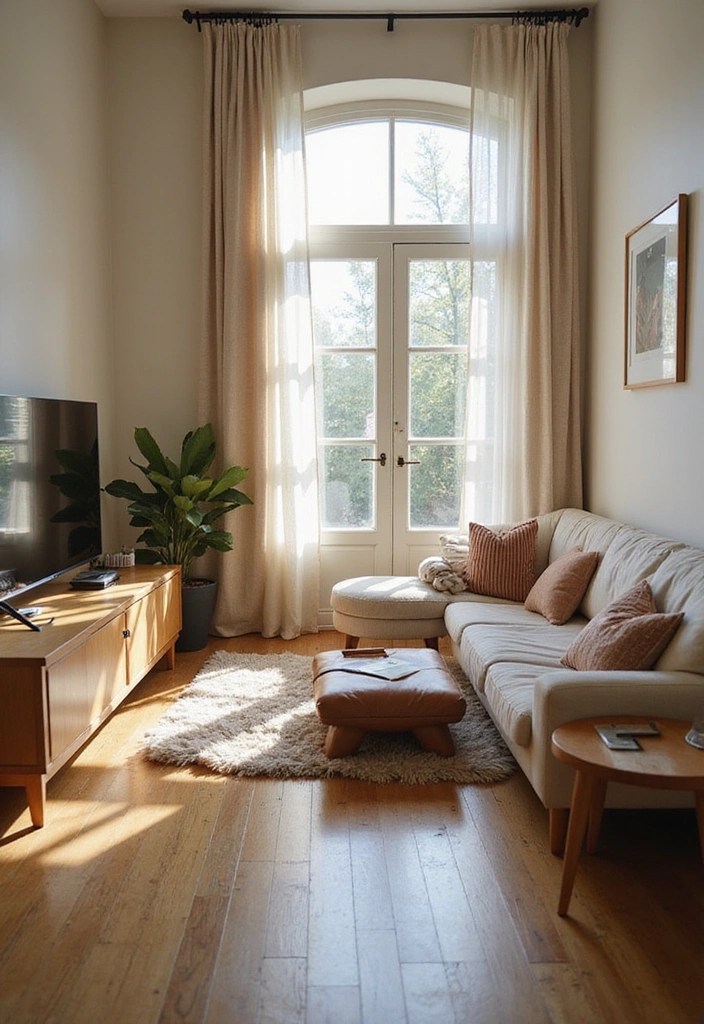
Finding your quiet corners in a busy family home is not just about carving out physical space; it’s about prioritizing your mental health and creating a mindful environment for everyone. By implementing these ten strategies, you’re not only enhancing your well-being but also modeling self-care for your children. Remember, it’s okay to need a moment alone amidst the chaos—it’s a lesson in respecting personal space and boundaries. Encourage your family to join in creating a more mindful home, where everyone understands the value of personal space.
Note: We aim to provide accurate product links, but some may occasionally expire or become unavailable. If this happens, please search directly on Amazon for the product or a suitable alternative.
This post contains Amazon affiliate links, meaning I may earn a small commission if you purchase through my links, at no extra cost to you.
Frequently Asked Questions
What is a ‘No-Touch Zone’ and how can it help me find personal space?
A ‘No-Touch Zone’ is a designated area in your home where family members are aware they shouldn’t intrude. This space can be a corner in your bedroom, a cozy nook in the living room, or even a small area in a hallway. By establishing this boundary, you create a sanctuary where you can recharge and enjoy your personal space, fostering a sense of calm in your busy family home.
How can I create a mini meditation corner in my home?
Creating a mini meditation corner is all about simplicity and intention. You can start by choosing a small, quiet area in your home and adding a comfortable mat or cushion. Decorate it with calming elements like plants, soft lighting, or personal mementos that inspire tranquility. This dedicated space will serve as your personal retreat for mindfulness and self-care, helping you to find peace amidst the chaos.
What are some tips for utilizing outdoor spaces for personal time?
If you have access to a backyard, balcony, or porch, these outdoor spaces can be your perfect escape! Consider setting up a comfortable chair or a hammock where you can unwind with a book or simply enjoy nature. You can also incorporate elements like fairy lights or a small water feature to create a calming ambiance. Spending time outside can significantly enhance your mindfulness practice and provide a refreshing break from the busyness of family life.
How can I effectively teach my kids about personal boundaries?
Teaching your kids about personal boundaries starts with open communication. Discuss the importance of having personal space and why it matters, not just for you but for them too. Use relatable examples and encourage them to express their feelings about personal space. Making it a family conversation can foster respect and understanding, helping everyone in the busy family home to appreciate and uphold each other’s boundaries.
What role does aromatherapy play in creating a calming atmosphere at home?
Aromatherapy can be a game-changer when it comes to enhancing your personal space. By incorporating essential oils like lavender or chamomile, you can create a soothing environment that promotes relaxation and mindfulness. Try using a diffuser in your designated quiet corners or adding a few drops to your bath. The calming scents not only elevate your mood but also encourage a sense of peace and self-care in your busy family home.
Related Topics
personal space
mindfulness parenting
no-touch zone
meditation corner
self-care tips
family boundaries
tech-free zones
outdoor retreat
aromatherapy
soft textures
busy family home
creative organization
 The Midnight Scribbler
Leave a comment