
Bedtime can sometimes feel like a battlefield, with negotiations, tears, and a whole lot of resistance. Parents often find themselves caught in a cycle of trying to make bedtime a peaceful experience, only to face the same struggles night after night.
Getting kids to sleep can be overwhelming, but with a few genius parenting hacks, you can transform this nightly routine into a soothing and enjoyable experience. These hacks are designed to not only help your little ones settle down but also to make bedtime a time of bonding and relaxation for you both. Say goodbye to the evening chaos and hello to sweet dreams and restful nights!
Let’s explore how these simple, yet effective strategies can create a calming bedtime environment that everyone will love.
Contents
- 1. The Power of a Consistent Bedtime Routine
- 2. Create a Sleep-Friendly Environment
- 3. Use a Reward System for Positive Reinforcement
- 4. Implement a Wind-Down Activity
- 5. Be Patient and Flexible
1. The Power of a Consistent Bedtime Routine
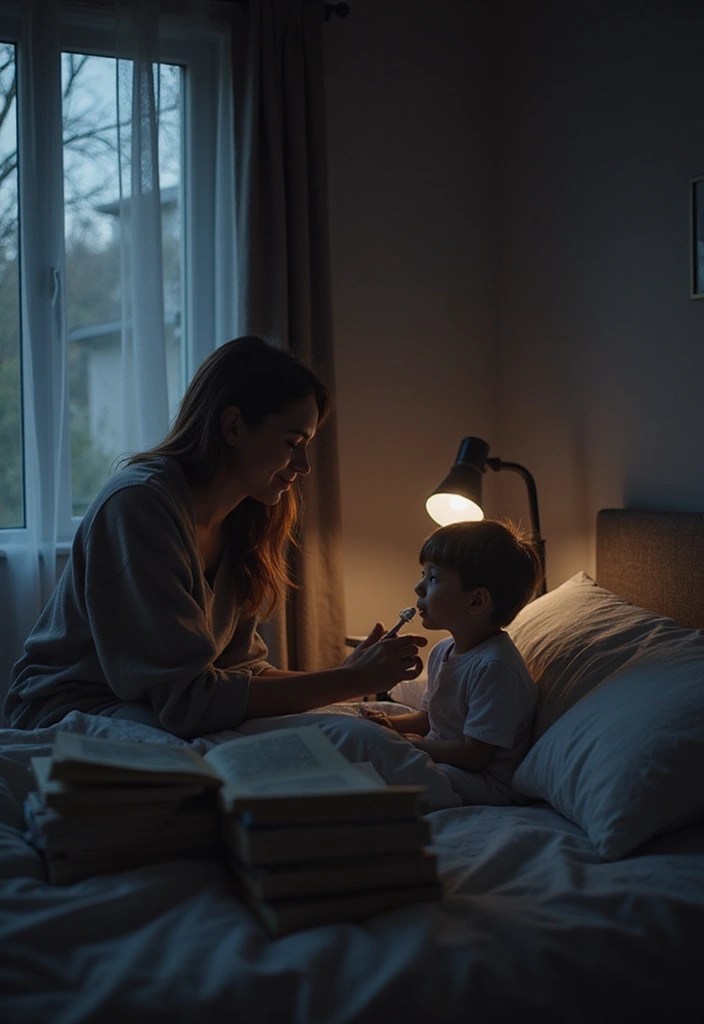
Establishing a consistent bedtime routine is a game-changer for parents. Kids thrive on predictability, and knowing what to expect can make the lead-up to sleep much smoother. Start by creating a ritual that lasts about 30 minutes before bed.
You might choose a sequence like bath time, brushing teeth, reading a story, and finally a sweet goodnight. The familiarity of these activities helps signal to your child’s brain that it’s time to wind down and prepare for sleep.
Here are some tips to make your routine effective:
– Stick to the same bedtime and wake-up time every day, even on weekends.
– Use calming activities to help relax before sleep, such as gentle music or dimming the lights.
– Engage your child by letting them choose a book to read or a song to sing.
– Discuss tomorrow’s plans in a positive light, reinforcing the idea that bedtime is just the start of a new day.
By following this routine, you’ll find that your child may start to associate these activities with sleep, making it easier for both of you.
2. Create a Sleep-Friendly Environment

A sleep-friendly environment plays a crucial role in helping your child drift off easily. The bedroom should be a sanctuary for sleep, so it’s time to declutter and optimize the space.
Start by ensuring the room is dark, quiet, and cool. Consider using blackout curtains to block outside light and a white noise machine to drown out distracting sounds.
Here are some additional suggestions:
– Choose calming colors for the bedroom walls, like soft blues or greens, which promote relaxation.
– Limit the use of electronics in the hour leading up to bedtime, as screens can emit blue light that disrupts melatonin production.
– Allow your child to have a few comforting items, like a favorite blanket or stuffed animal, to help them feel secure in their space.
With these adjustments, you’ll create a cozy nook that encourages restful sleep, making bedtime a breeze.
3. Use a Reward System for Positive Reinforcement

A reward system can be an effective tool to encourage good bedtime behavior. This approach is all about positive reinforcement, helping children feel motivated to stick to their bedtime routine.
Create a simple chart where your child can earn stickers or points for each successful night following the routine. Once they reach a certain number, reward them with a small treat, like a fun outing or a special toy.
Here’s how to set it up:
– Clearly explain the system to your child so they know what to expect.
– Make sure the rewards are meaningful to them; it could be extra storytime or a special snack.
– Keep the chart visible in their room as a daily reminder of their progress and accomplishments.
This method not only encourages compliance but also makes bedtime feel like an exciting challenge rather than a chore.
4. Implement a Wind-Down Activity

Incorporating a wind-down activity into your bedtime routine can be a fantastic way to help your child relax further. Activities such as gentle yoga, deep breathing exercises, or listening to calming music can ease the transition from busy day to restful night.
Engaging in these activities can aid in lowering their heart rate and preparing their bodies for sleep.
Here are some ideas to try:
– Introduce a few minutes of stretching to release any pent-up energy.
– Teach your child some deep breathing techniques that they can also use if they wake up during the night.
– Select calming instrumental music or nature sounds to play softly in the background.
These simple practices create a peaceful atmosphere that encourages kids to slow down, making falling asleep much easier.
5. Be Patient and Flexible

Even the best-laid plans can sometimes go awry, and it’s essential to be patient and flexible during bedtime. Kids go through phases, and what works one week might not be effective the next.
Remain calm and adaptable, ready to tweak your routine to better suit your child’s needs. Encourage open communication, asking them what they enjoy about bedtime and what they find challenging.
Some helpful insights include:
– Don’t be afraid to change up the routine if it feels stale; a new story or different wind-down activity can freshen things up.
– Always validate your child’s feelings. If they’re anxious or resistant, acknowledge their concerns and provide comfort.
– Celebrate small wins. Every step forward is a victory, and recognizing your child’s progress helps build positivity around bedtime.
Remember, bedtime should be a joint effort, and working together will help you both create the perfect nighttime routine.
Conclusion

Tackling bedtime doesn’t have to be a struggle. With these genius parenting hacks, you can create a soothing routine that transforms your evenings from chaos to calm. Remember to keep it fun, flexible, and most importantly, a time for connection.
As you implement these strategies, don’t forget to tailor them to suit your unique family dynamics. Sweet dreams await you!

 The Midnight Scribbler
Leave a reply to This Bedside Trick Made My Nights So Much More Peaceful (And Prettier!) – The Midnight Scribbler Cancel reply