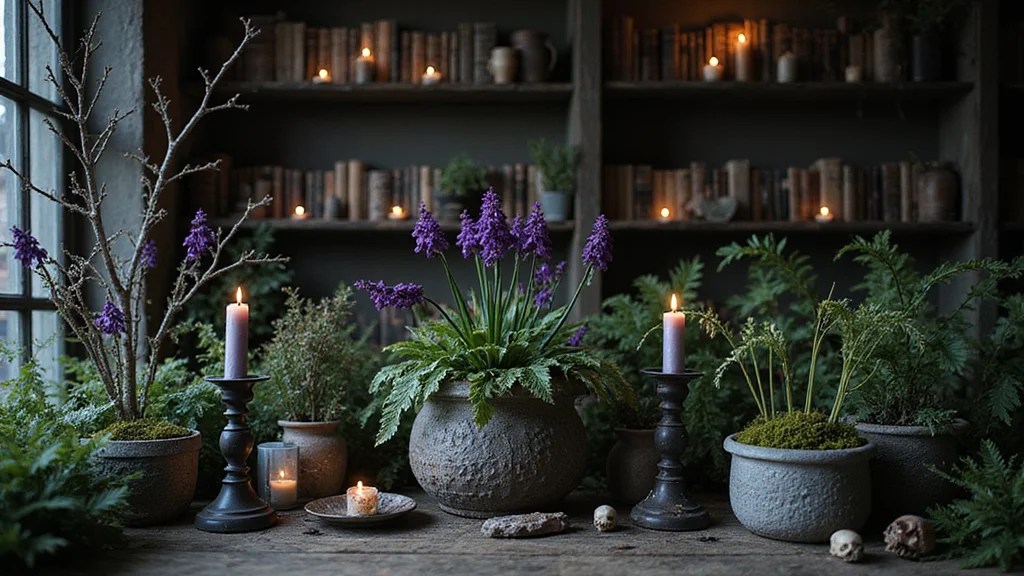
Are you ready to embark on a journey through the shadowy realms of gardening? If you have a passion for the mystical and the eerie, you’re in for a treat. This post dives into the world of gothic plants—those enchanting flora that transform your space into a dark wonderland. I created this guide because I believe that your garden or home can reflect your unique style, even if that style leans toward the haunting and mysterious.
If you’re someone who loves the allure of the gothic aesthetic, whether you’re an experienced gardener or just beginning to explore your green thumb, this post is for you. It’s perfect for anyone looking to inject a little drama and intrigue into their indoor or outdoor spaces. You’ll find a curated list of ten captivating plants that will not only enhance your surroundings but also inspire your creativity and invite a sense of the mystical into your life.
In this blog, I’ll share details about each plant, including care tips and their unique characteristics. By the end, you’ll have a better understanding of how to incorporate these gothic beauties into your home or garden. Get ready to immerse yourself in a world where beauty and darkness intertwine beautifully!
Key Takeaways
– Gothic plants can add a unique and dramatic flair to your garden or indoor space, appealing to those who love the mysterious and eerie aesthetic.
– Each plant on the list has distinct features, such as color, shape, and texture, that contribute to an enchanting atmosphere.
– Many of these plants, like the Black Bat Flower and Black Calla Lily, require specific care, so understanding their needs is crucial for success.
– Incorporating gothic plants not only beautifies your space but also allows you to express your personal style and creativity.
– Exploring these unique plants can inspire new gardening techniques and a greater appreciation for the diversity of nature.
Contents
- 1. Black Bat Flower (Tacca chantrieri)
- 2. Black Calla Lily (Zantedeschia spp.)
- 3. Dead Nettle (Lamium maculatum)
- 4. Black Rose (Rosa spp.)
- 5. Ghost Plant (Graptopetalum paraguayense)
- 6. Black Magic Elephant Ear (Colocasia esculenta)
- 7. Velvet Leaf (Alocasia micholitziana)
- 8. Ornamental Cabbage (Brassica oleracea)
- 9. Tibetan Black Rice Plant (Oryza sativa)
- 10. Purple Heart (Tradescantia pallida)
1. Black Bat Flower (Tacca chantrieri)
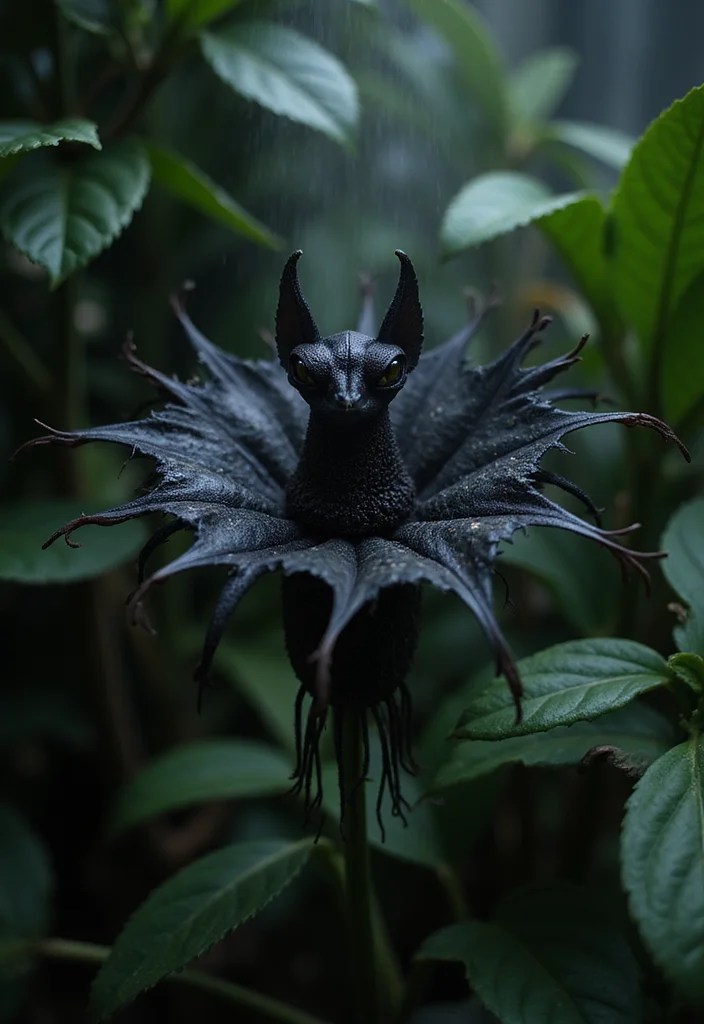
If you’re searching for a plant that adds a touch of the extraordinary, the Black Bat Flower is a perfect choice. Its striking blossoms, resembling dark bats, can grow up to 12 inches wide, creating a captivating focal point in your home. Adaptable to low-light environments, this exotic beauty thrives in high humidity, making it ideal for indoor spaces. Its haunting allure makes it a conversation starter, embodying the essence of gothic charm.
To keep your Black Bat Flower thriving, ensure it has a well-draining potting mix and maintain consistent moisture without oversaturating the soil. Patience is key, as blooms can be sporadic, but the wait is worth it for such a stunning display.
Essential care tips for success:
– Provide bright, indirect light.
– Water when the soil feels slightly dry.
– Maintain high humidity levels.
With its unique appeal, this plant can truly transform a shadowy nook into an enchanting visual delight.
Black Bat Flower (Tacca chantrieri)
Editor’s Choice
2. Black Calla Lily (Zantedeschia spp.)
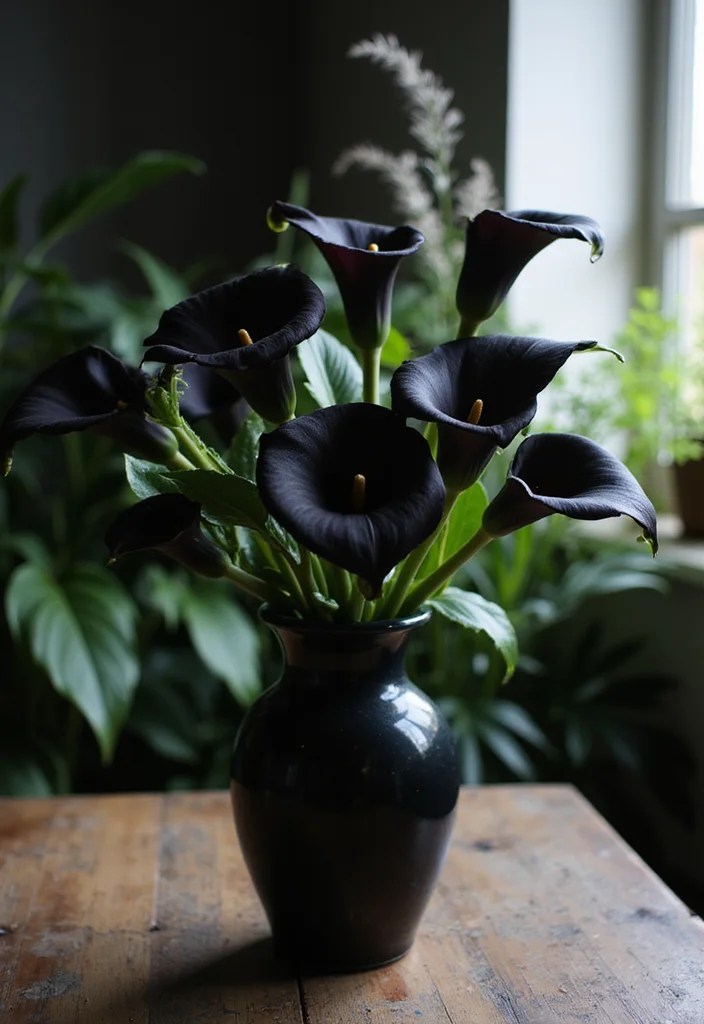
Looking to add a touch of elegance to your gothic garden? The Black Calla Lily, with its deep, dark petals, is an exquisite choice. These stunning flowers thrive in both containers and garden beds, making them incredibly versatile. Their rich color not only symbolizes mystery but also enhances the darker aspects of your gardening aesthetic.
For optimal growth, plant them in well-drained soil and ensure they receive moderate watering. Pair these lilies with lighter-hued plants to create a striking contrast, or use them in spooky seasonal arrangements for added flair.
Helpful care tips include:
– Prefer full sun to partial shade.
– Water regularly, ensuring good drainage.
– Fertilize during the growing season for flourishing blooms.
With their dramatic height, these lilies can create stunning focal points, bringing an air of sophistication to your gothic landscape.
Fun fact: Black Calla Lilies shine in both containers and beds—plant them in a 12-inch pot or border bed. With well-drained soil and moderate watering, expect blooms in about 6-8 weeks, creating instant drama in your gothic plants collection.
3. Dead Nettle (Lamium maculatum)
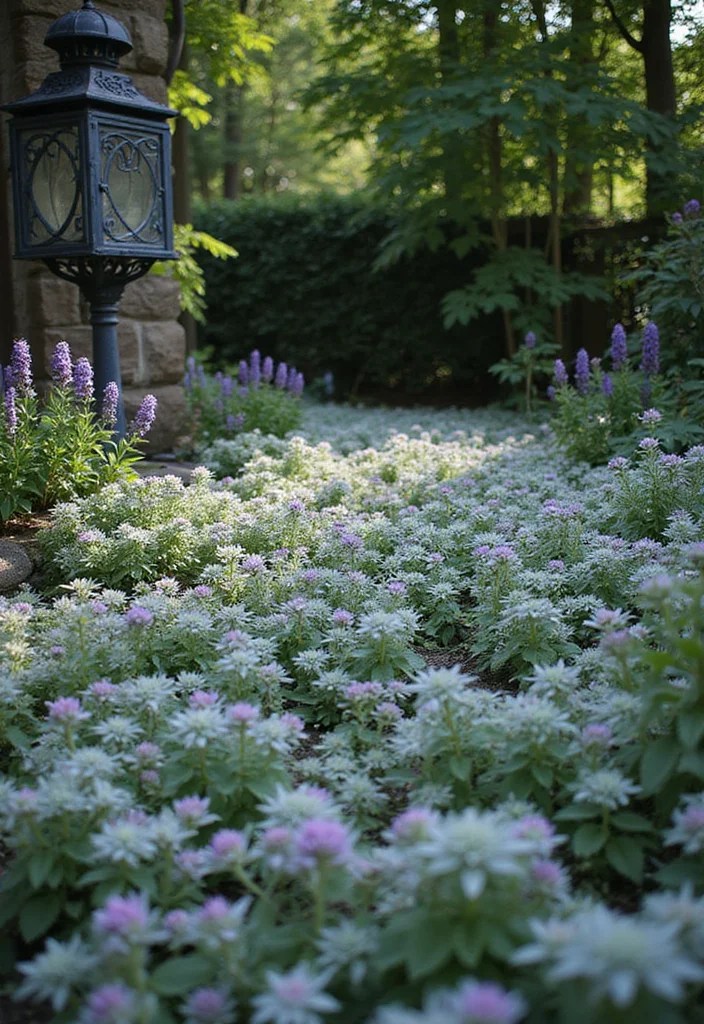
Despite its eerie name, Dead Nettle is a fabulous addition to any gothic-inspired garden. This hardy perennial showcases beautiful silver or purple leaves and blooms with delicate flowers in shades of white, pink, or purple. Its low-growing nature makes it an excellent choice for ground cover, adding depth and texture to your garden.
Dead Nettle is resilient, thriving in both shade and sun while adapting to various soil conditions. Simply provide enough room for it to spread, and watch as it transforms your space into a lush, haunting carpet.
Care tips for success:
– Plant in well-draining soil.
– Water regularly, but avoid waterlogging.
– Prune back in late winter to promote fresh growth.
This self-seeding plant offers minimal maintenance while achieving a captivating gothic look.
“Dead Nettle can spread up to 12 inches per season, turning shadowy corners into a silver and purple tapestry among gothic plants. It thrives in sun or shade and adapts to varied soils, making gothic gardens easy to maintain. Plant it as a low ground cover for depth and texture.”
Dead Nettle (Lamium maculatum)
Editor’s Choice
📹 Related Video: How to grow Spotted Dead Nettle, Lamium.
4. Black Rose (Rosa spp.)
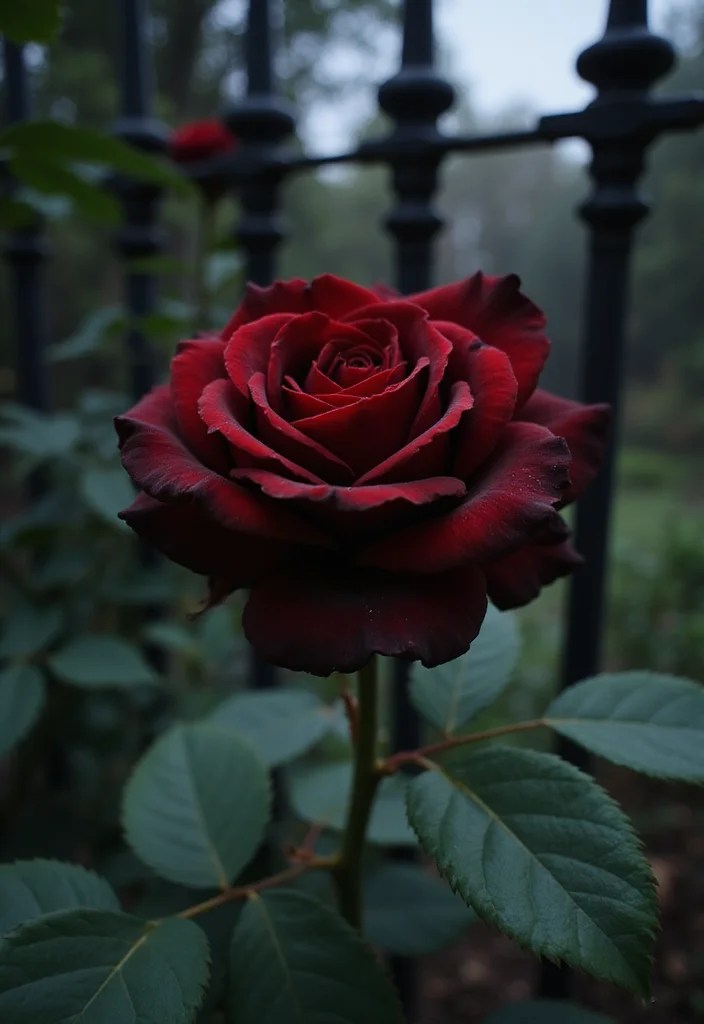
Nothing captures gothic allure quite like the enigmatic Black Rose. While true black roses don’t exist, deep red varieties come strikingly close, embodying the mystery of gothic aesthetics. These roses symbolize beauty, death, and rebirth, enhancing the romantic atmosphere of your garden.
Caring for roses requires some attention, but the spectacular blooms are well worth the effort. Ensure they receive plenty of sunlight and remember to prune regularly for healthy growth.
Key rose care tips:
– Plant in full sun.
– Water deeply but infrequently.
– Fertilize in early spring for optimal results.
Pair these roses with other dark blooms for a stunning gothic display that enchants and intrigues.
Fun fact: true black roses don’t exist, but deep red varieties come close, delivering a wicked gothic aesthetic. In your gothic plants collection, that dramatic color pairs perfectly with sunlight and pruning—giving you haunting beauty and rebirth vibes with every bloom.
5. Ghost Plant (Graptopetalum paraguayense)
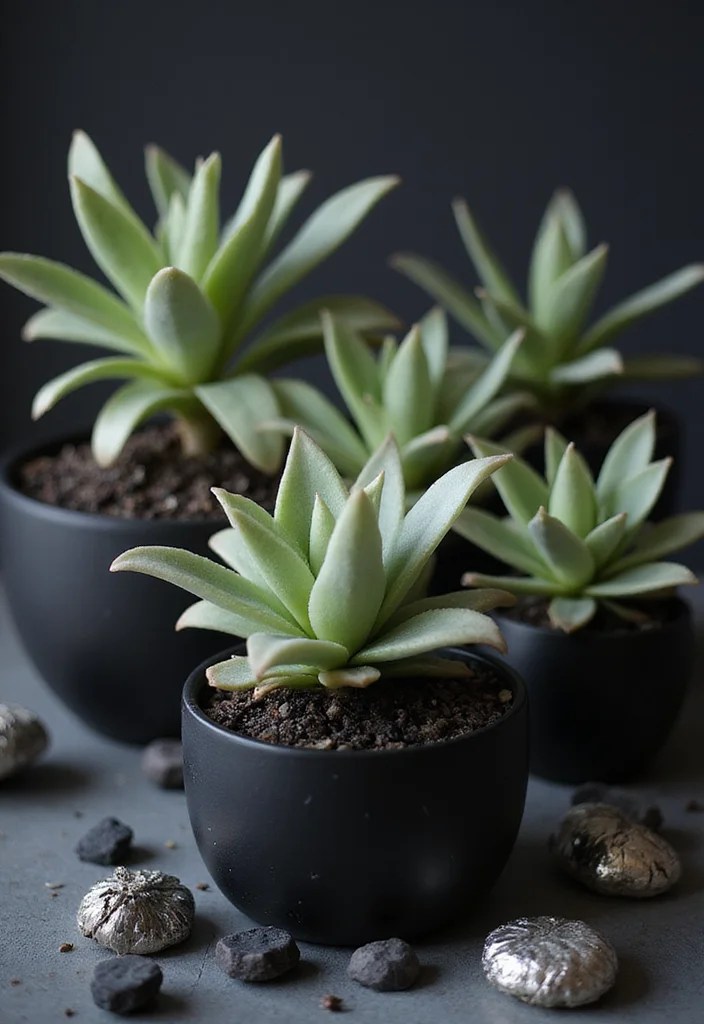
The Ghost Plant is a captivating succulent that perfectly embodies the mystical side of gothic gardens. With its pale, powdery leaves that appear almost white or light blue, it brings an ethereal touch to your collection. Ghost Plants thrive in bright, indirect light and are incredibly low-maintenance, making them a great choice for any gardener.
Use them in terrariums or pots, creating an intriguing centerpiece that enhances both indoor decor and outdoor displays. Their unique appearance adds an enchanting charm wherever they are placed.
Simple care tips include:
– Allow soil to dry completely between waterings.
– Provide bright, indirect sunlight.
– Fertilize during the growing season with succulent-friendly nutrients.
Enhance their ghostly beauty by pairing them with darker decorative elements, creating a stunning contrast that draws the eye.
Ghost Plant (Graptopetalum paraguayense)
Editor’s Choice
You might also like
15 Stunning Compost Bins That Make Eco-Friendly Living a Breeze (You Won’t Believe #8!)
10 Plants That Smell Amazing and Will Replace Your Air Freshener (Say Goodbye to Chemicals!)
6. Black Magic Elephant Ear (Colocasia esculenta)
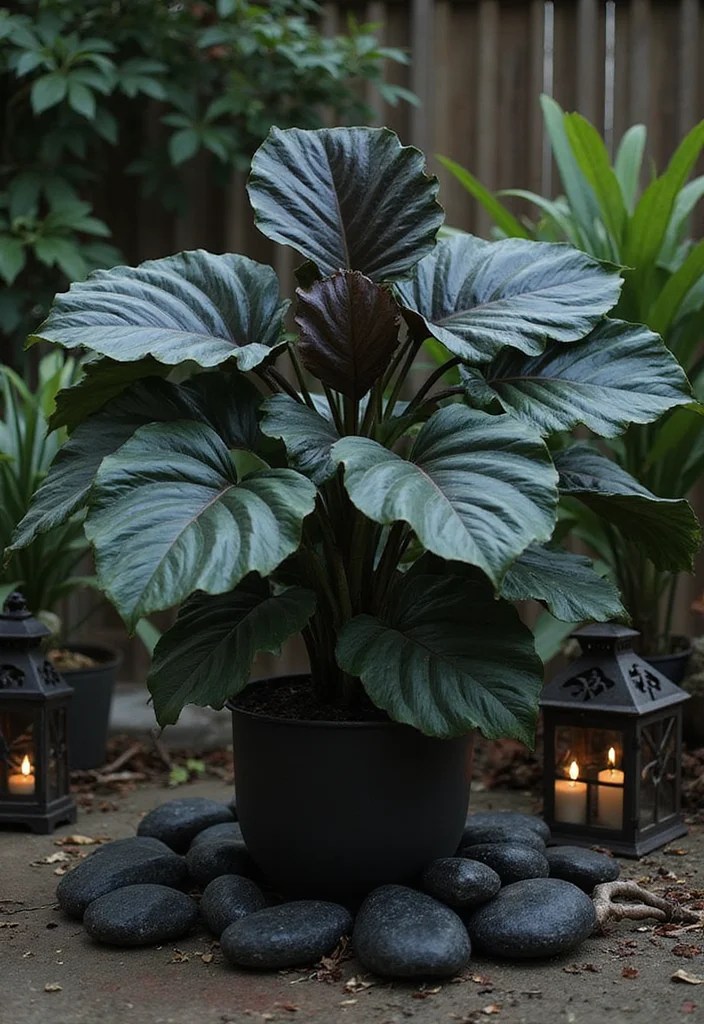
The Black Magic Elephant Ear is a stunning plant that captivates with its enormous, dark leaves. This extraordinary foliage can create a dramatic effect in any space, whether indoors or in your garden. Its striking black leaves provide a bold contrast against lighter elements, enhancing gothic-themed decor.
This plant thrives in warm, humid conditions and prefers indirect sunlight, making it ideal for those looking to add a tropical touch to their gothic haven. Regular watering is essential, as it loves moist soil.
Important care tips:
– Keep in a warm environment with high humidity.
– Water frequently but avoid standing water.
– Fertilize during the growing season to support vigorous growth.
As a focal point, this plant adds height and drama to your gothic arrangements, guaranteeing a striking visual impact.
7. Velvet Leaf (Alocasia micholitziana)
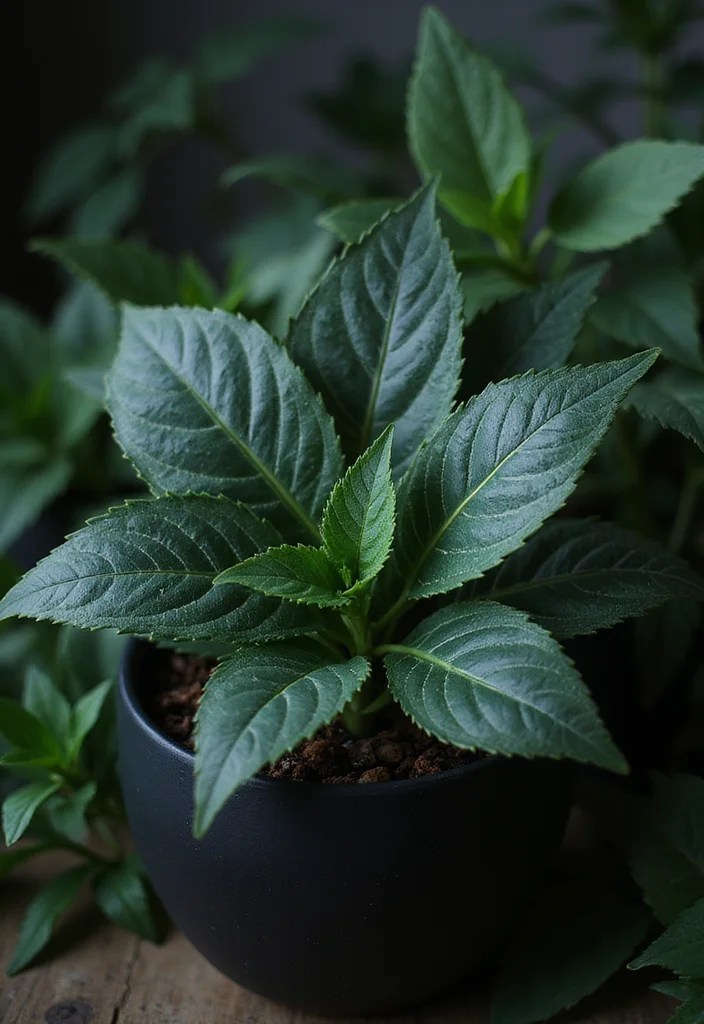
With its lush, velvety leaves, the Velvet Leaf plant is a beautiful representation of gothic elegance. The deep green leaves, accented with silvery veins, showcase a stunning texture that makes it stand out among indoor plants. Velvet Leaf thrives in bright, indirect light and loves humidity, making it a perfect addition to your gothic oasis.
Caring for this beauty involves regular watering while ensuring the soil drains well to prevent root rot. The dramatic foliage will enhance any space, transforming it into a dark yet inviting sanctuary.
Effective care tips include:
– Water when the top inch of soil feels dry.
– Maintain high humidity around the plant.
– Fertilize monthly during the growing season for optimal growth.
Group Velvet Leaf with other tropical plants to create a lush, enchanted look that resonates with gothic themes.
8. Ornamental Cabbage (Brassica oleracea)
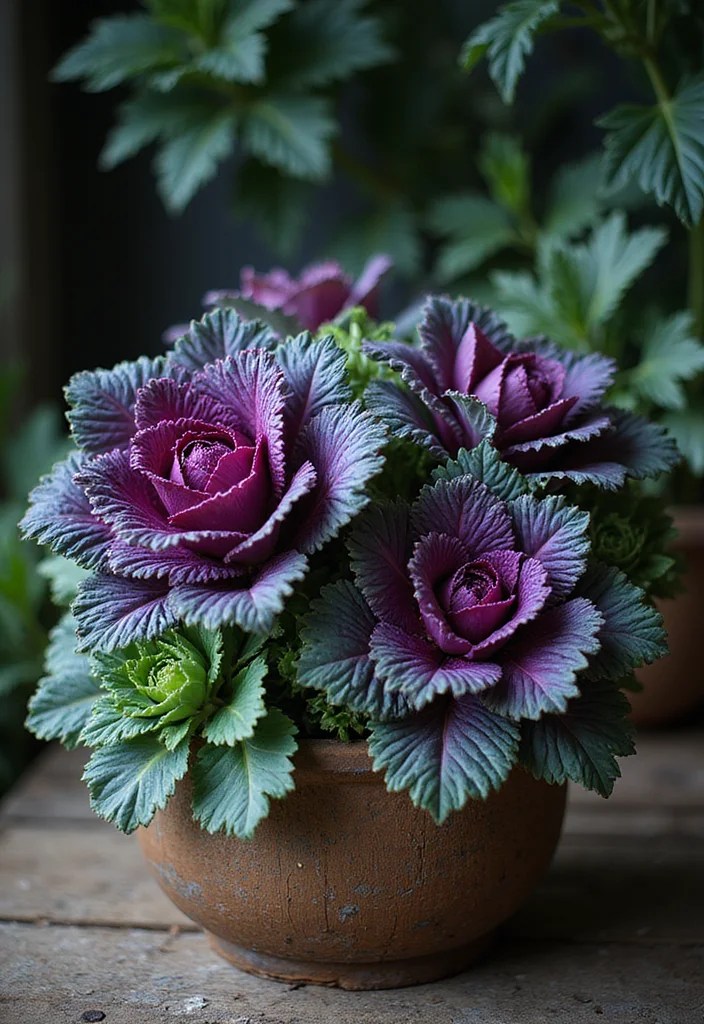
Ornamental Cabbage offers a unique twist to gothic gardening, showcasing colorful, rosette-shaped leaves in stunning shades of purple and green. This plant not only adds visual interest but thrives in cool weather, making it perfect for fall displays. Easy to care for, it can withstand frost and brings unexpected color to your spooky sanctuary.
Whether planted in containers or garden beds, ornamental cabbage creates a dramatic effect that enhances the gothic aesthetic.
Key care tips include:
– Plant in well-draining soil.
– Water regularly, especially during dry spells.
– Protect from harsh winter conditions if planted outdoors.
Pair it with darker foliage plants for a striking contrast that highlights its beauty.
You Might Also Like

10 Stunning Cool Blue Aesthetic Rooms That Will Refresh Your Space Instantly!

10 Easy DIY Projects to Transform Your Home (You’ll Love #5!)
Ongoing Maintenance & Care Guide
Maintenance Schedule:
Daily/Weekly Tasks:
– Check for any wilting or yellowing leaves. Remove any that appear unhealthy to keep your gothic plants thriving. (5 minutes)
– Water plants based on their individual needs. For most gothic plants, a weekly deep watering is best. (10-15 minutes)
– Rotate pots if placed indoors. This encourages even growth by ensuring all sides receive light. (5 minutes)
– Dust leaves gently with a damp cloth to keep them clean and allow for proper photosynthesis. (5-10 minutes)
Monthly/Seasonal Tasks:
– Fertilize gothic plants with a balanced fertilizer. Use a diluted solution monthly during growing seasons. (10 minutes)
– Inspect for pests, especially aphids and spider mites. Treat any infestations immediately. (15 minutes)
– Prune leggy growth and dead leaves to encourage bushier plants. (15-20 minutes)
– Repot plants if they outgrow their containers. This typically happens every 1-2 years. (30-60 minutes)
– Clean pots and trays to prevent algae buildup and ensure good drainage. (10-15 minutes)
Maintenance Summary Table:
| Task | Frequency | Difficulty | Time Needed |
|—————————–|—————|————–|————-|
| Check for unhealthy leaves | Daily/Weekly | Easy | 5 minutes |
| Water plants | Weekly | Easy | 10-15 minutes |
| Rotate pots | Weekly | Easy | 5 minutes |
| Dust leaves | Weekly | Easy | 5-10 minutes |
| Fertilize | Monthly | Easy | 10 minutes |
| Inspect for pests | Monthly | Moderate | 15 minutes |
| Prune | Monthly | Moderate | 15-20 minutes |
| Repot | Every 1-2 years | Moderate | 30-60 minutes |
| Clean pots and trays | Monthly | Easy | 10-15 minutes |
Common Issues to Watch For:
⚠️ Wilting Leaves: If your gothic plants begin to wilt, it may indicate underwatering. Check the soil moisture.
⚠️ Yellowing Leaves: This can be a sign of overwatering or nutrient deficiency. Evaluate your watering schedule and consider fertilizing.
⚠️ Pest Infestations: Look for small insects or webs on your plants. If you see these, treat promptly with insecticidal soap.
⚠️ Mold Growth: If you notice mold on the soil surface, it may mean overwatering or poor drainage. Adjust your watering habits accordingly.
⚠️ Leaf Drop: If leaves are falling off, it could be due to sudden temperature changes. Ensure your plants are in a stable environment.
Care Tips:
💡 Use Quality Soil: Invest in well-draining potting soil. This helps prevent root rot and keeps your gothic plants healthy.
💡 Group Plants: Keep your gothic plants together for humidity. This creates a microclimate that many of these mystical plants thrive in.
💡 Give Adequate Light: Most gothic plants enjoy bright, indirect light. Position them near windows but avoid direct sunlight that can scorch their leaves.
💡 Monitor Humidity Levels: Some gothic plants, like the Black Magic Elephant Ear, prefer higher humidity. Consider using a humidifier or misting them occasionally.
💡 Stay Consistent: Establish a routine for care. Consistency with watering, fertilizing, and inspecting your plants can lead to a thriving dark wonderland garden!
By following this maintenance and care guide, you can keep your gothic plants looking mystical and stunning in any space. Enjoy transforming your environment into a dark wonderland that is both eerie and enchanting!
9. Tibetan Black Rice Plant (Oryza sativa)
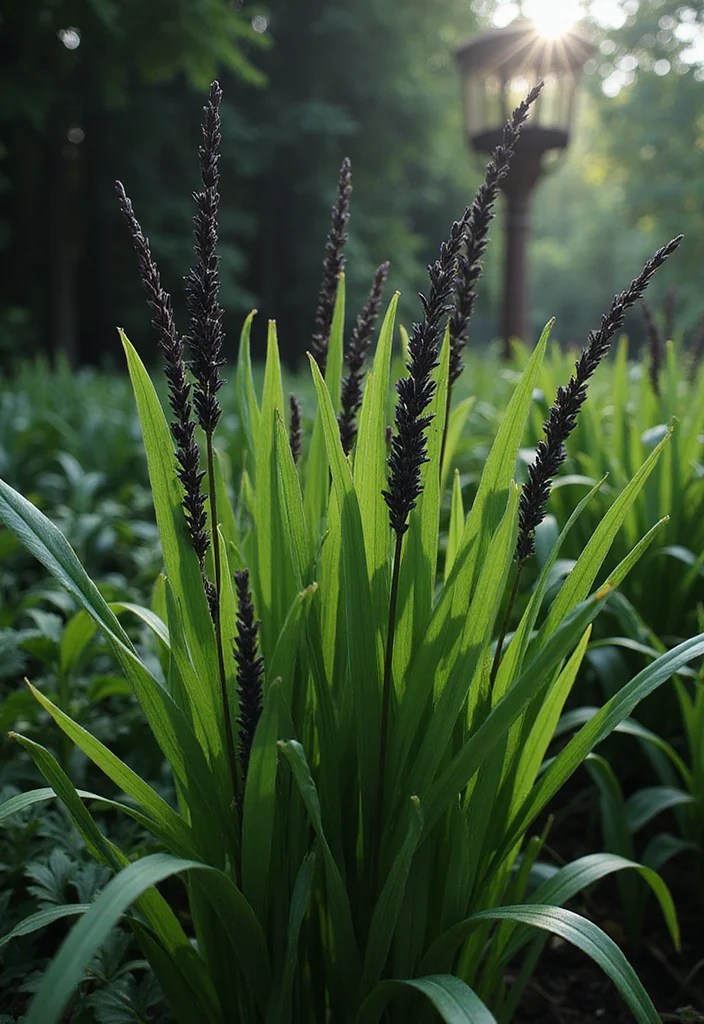
The Tibetan Black Rice Plant is a stunning addition to any gothic garden, known for its striking purple-black grains. This plant brings an exotic flair with its tall, feathery blades and delicate flowers, creating a lovely contrast against darker decor. Not only is it visually appealing, but it also produces edible grains for culinary use.
For best results, plant it in fertile, well-drained soil, and provide a warm, sunny environment. Regular watering encourages healthy growth and the development of those unique grains.
Essential care tips include:
– Plant in fertile, well-drained soil.
– Maintain humidity but avoid standing water.
– Harvest when the grains turn dark and firm.
Using the grains in dishes adds both beauty and functionality to your gothic garden.
10. Purple Heart (Tradescantia pallida)
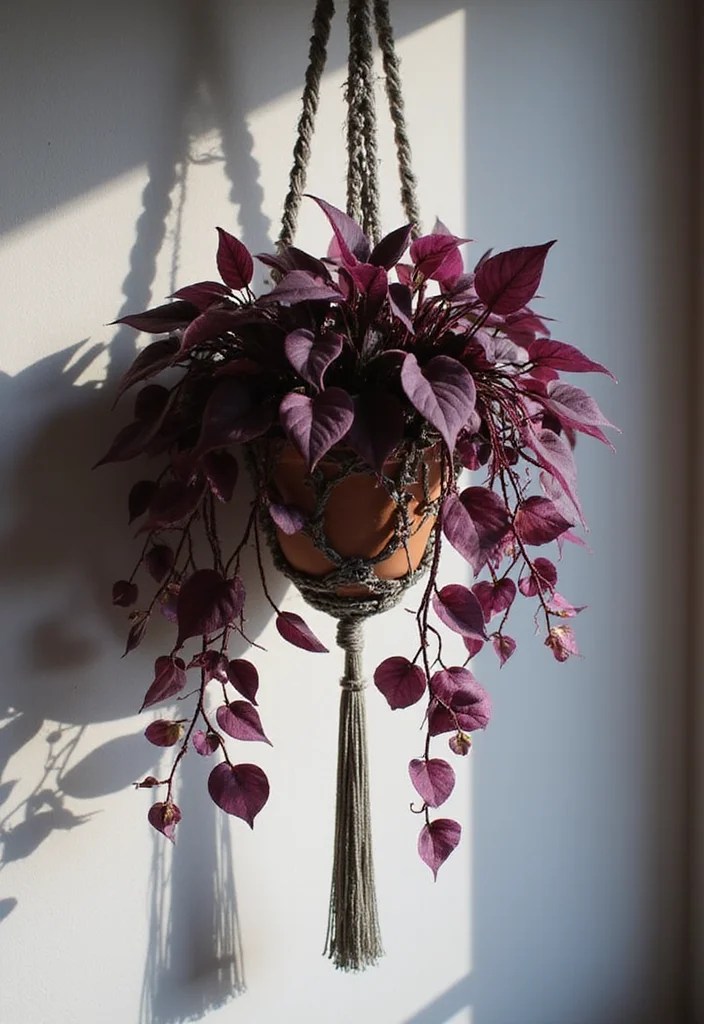
The Purple Heart plant is a vibrant addition that can make a bold statement in your gothic garden. With its rich purple leaves and trailing vines, this plant brings elegance and a touch of whimsy to any space. Incredibly easy to care for, it thrives in various lighting conditions and requires minimal maintenance.
Consider hanging it in a macrame holder or letting it cascade from a shelf for a captivating look. Its deep color pairs beautifully with other gothic plants, enhancing the overall aesthetic.
Care tips for this beauty include:
– Water when the top inch of soil is dry.
– Place in bright, indirect sunlight.
– Trim back regularly to promote bushier growth.
Not only is this plant visually stunning, but it also helps improve air quality, making it a practical and beautiful addition to your dark haven.
Conclusion
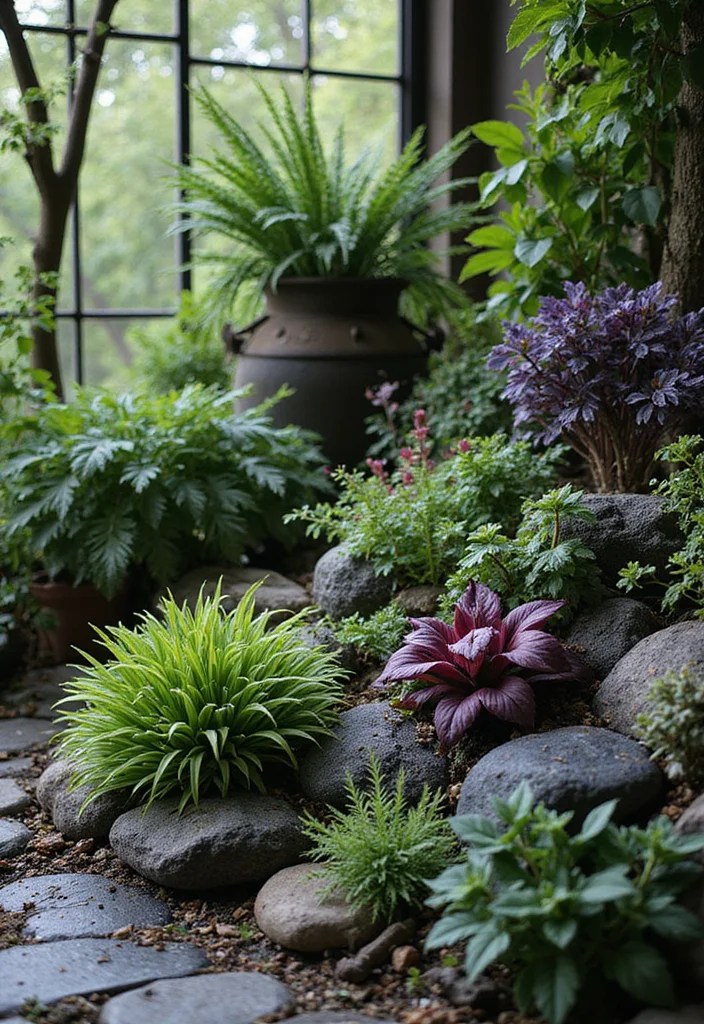
Incorporating these ten gothic plants into your home and garden can create an inviting yet mysterious environment that reflects your unique style.
Each plant tells a story and adds a touch of drama to your space, transforming ordinary corners into enchanting realms. As you explore the world of gothic flora, remember to nurture your plants with care and let their natural beauty shine. Embrace the dark wonderland that awaits you!
Note: We aim to provide accurate product links, but some may occasionally expire or become unavailable. If this happens, please search directly on Amazon for the product or a suitable alternative.
This post contains Amazon affiliate links, meaning we may earn a small commission if you purchase through our links, at no extra cost to you.
Frequently Asked Questions
What are gothic plants and how can I use them to create a mystical, eerie space?
Gothic plants are indoor or outdoor plants that feature dark foliage, dramatic forms, or eerie textures that evoke a Gothic mood. To create a mystical, eerie space, start by selecting 2–3 gothic plants as focal points, arrange them against a textured, dark backdrop, and pair with black or aged-metal pots to heighten the vibe.
Use soft, moody lighting (dim lamps or purple LEDs) and simple care: place them where they receive bright indirect light when possible, ensure well-draining soil, and water on a schedule that keeps soil evenly moist but not soggy. Keep the palette cohesive with complementary textures in cushions, wallpaper, or wall art.
How do I care for gothic plants in indoor spaces with low light?
Many gothic plants can tolerate lower light but they still benefit from bright, indirect light. Find a spot near a window with filtered sun or supplement with a daylight lamp for 6–8 hours a day.
Water when the top inch of soil feels dry, and choose a well-draining soil mix. Use pots with drainage holes and consider increasing humidity with a pebble tray or small humidifier if your indoor air is very dry. Avoid overwatering, which is the most common mistake with dark foliage varieties, and wipe leaves occasionally to keep them photosynthesizing efficiently.
Are gothic plants safe for kids and pets?
Safety varies by species. Some gothic plants can be toxic if eaten by children or pets, while others are relatively harmless. Always check the specific plant’s toxicity rating before bringing it home. If you have curious pets or little ones, place riskier gothic plants out of reach or opt for non-toxic options or artificial gothic accents. When in doubt, consult a veterinarian or a reliable plant guide to identify safer choices.
Which gothic plants are the easiest to grow for beginners?
Great starter options include dark-leaved philodendron or pothos varieties, the sturdy cast-iron plant (Aspidistra elatior), and deep foliage plants like black mondo grass. These are forgiving, tolerate average indoor conditions, and still deliver that eerie Gothic vibe.
Tips: begin with a single striking specimen as a focal point, water appropriately, and gradually introduce more dramatic textures as you gain confidence. Your gothic plants will thrive with a simple, consistent routine.
How can I design a room around gothic plants to maximize the mystical vibe?
Start with a focal plant and build layers around it. Use a dark, moody color palette for walls or textiles, add varied textures (velvet, stone, and rough wood), and incorporate moody lighting (dim lamps, candles, or colored LEDs) to set the tone. Place smaller gothic plants around the centerpiece to create depth and intrigue, while leaving space to let each specimen stand out. Maintain a simple care routine so the plants stay healthy and the look remains striking.
Related Topics
gothic plants
mystical gardening
eerie flora
dark decor
unique houseplants
gothic aesthetic
beginner gardening
dramatic landscapes
moody interiors
alternative gardening
seasonal plants
indoor greenery
 The Midnight Scribbler
Leave a comment