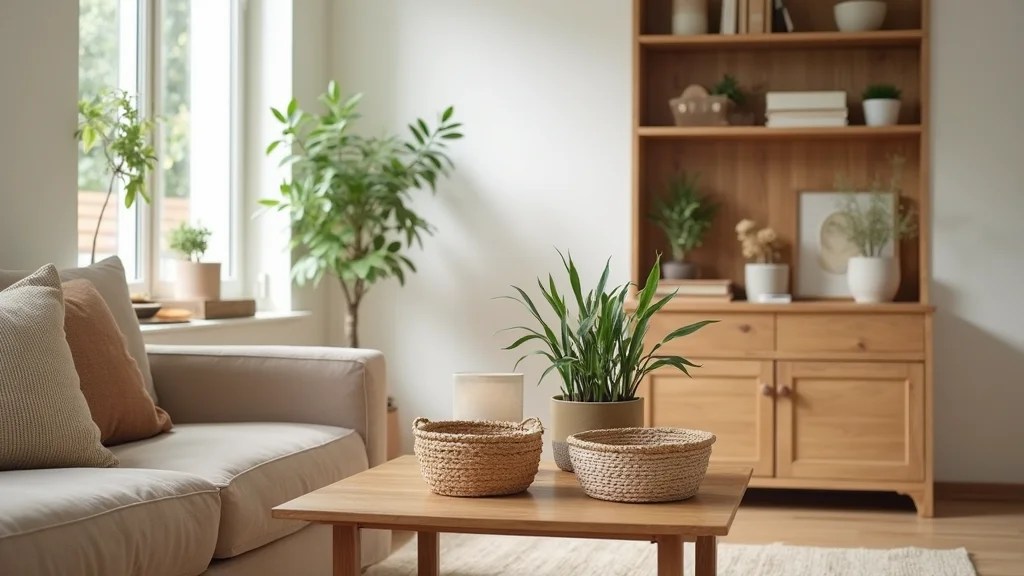
In a world that often feels overwhelmed by clutter, the idea of decluttering can be both liberating and daunting—especially for busy moms. If you’re like many mothers juggling the chaos of daily life, you might find yourself craving a more organized, peaceful space that reflects your values. That’s why I created this guide on eco-friendly declutter ideas, tailored specifically for you. It’s time to transform your home into an oasis of calm while making sustainable choices that benefit the environment and your family.
This guide is designed for moms who care deeply about their homes and the planet. If you find joy in creating a beautiful and organized space that also aligns with your eco-friendly values, you’re in the right place. With practical tips and creative ideas, you will discover how to declutter your home sustainably. You’ll learn how to adopt minimalism, upcycle items you already have, and much more. By the end of this guide, you’ll be equipped with eco-friendly declutter strategies that are efficient, sustainable, and perfect for your family.
Get ready to dive into a world of sustainable organization! This guide is packed with actionable insights that will help you not just declutter your space, but also create a more meaningful environment for you and your children. Let’s explore the eco-friendly declutter ideas that will make your home a sanctuary of calm and care.
Key Takeaways
– Embrace minimalism to create a more organized home, focusing on keeping only what truly matters to you and your family.
– Explore upcycling and repurposing to creatively transform items you no longer need into something useful and beautiful.
– Discover eco-friendly storage solutions that minimize waste and help you maintain an organized space.
– Learn the importance of digital decluttering to manage your family’s digital life effectively.
– Understand how to teach your kids about organization and sustainability, fostering lifelong habits.
How To Choose Eco-Friendly Storage Solutions
When it comes to organizing your home, the right storage solutions can make all the difference. Here’s how to choose the best eco-friendly options:
1. Material Matters
Look for storage solutions made from sustainable materials, such as bamboo, recycled plastic, or organic cotton. These materials not only reduce your carbon footprint but also offer durability and functionality.
2. Size and Space
Consider the size of your space when selecting storage solutions. Measure your available areas to ensure you choose items that fit neatly without overcrowding your home.
3. Versatility
Opt for storage solutions that can serve multiple purposes. For instance, a stylish basket can hold toys while also enhancing your decor.
4. Design and Aesthetics
Choose designs that align with your home’s aesthetic. Eco-friendly storage can be beautiful! Look for options that add charm rather than detract from your decor.
5. Local Sourcing
Whenever possible, choose products made locally to reduce transportation emissions and support your community.
Pro Tip: Before purchasing, research brands to ensure they adhere to sustainable practices. This way, you can feel good about your choices!
How To Teach Kids About Organization
Instilling organizational skills in your children early on can set them up for success in the future. Here’s how to teach them effectively:
1. Lead by Example
Show your kids how you organize your space. When they see you declutter and maintain order, they’re more likely to follow suit.
2. Make It Fun
Turn decluttering into a game! Set a timer and see how quickly they can sort through their toys or books. Reward them for their efforts to keep things light-hearted.
3. Create a System
Help them develop a simple organization system. Use labels or color-coded bins to make it easy for them to understand where things belong.
4. Encourage Responsibility
Assign them small tasks, like cleaning their room or putting away their clothes. This fosters a sense of responsibility and pride in their space.
5. Discuss the Value of Sustainability
Explain why keeping things organized is good for the planet. Discuss how donating toys or clothes can help others and reduce waste.
Best for: Encouraging responsibility and fostering lifelong organizational habits in children.
How To Upcycle and Repurpose Items
Upcycling is a fantastic way to breathe new life into items you might otherwise discard. Here’s how to get started:
Tools You’ll Need:
– Scissors
– Paint or stain
– Glue or adhesive
– Basic crafting tools
– Imagination!
Step 1: Identify Items
Look around your home for items that can be upcycled, such as old furniture, glass jars, or fabric scraps.
Step 2: Brainstorm Ideas
Think creatively about how you can repurpose these items. For example, an old ladder can be transformed into a bookshelf.
Step 3: Gather Supplies
Collect your tools and materials needed for your projects. Ensure you have everything on hand before starting to avoid interruptions.
Step 4: Get Crafty
Start your upcycling project! Follow tutorials if needed, but don’t be afraid to let your creativity shine.
Step 5: Showcase Your Work
Once finished, display your upcycled creations in your home. This not only beautifies your space but also serves as a conversation starter about sustainability.
⏱ Time: Varies by project | 💡 Tip: Involve your kids for a fun family activity!
With these eco-friendly decluttering ideas, you can create an organized, sustainable home that reflects your values. Embrace the journey of minimalism, teach your family the importance of sustainability, and enjoy the peace of mind that comes with a tidy space. Let’s make decluttering a joy rather than a chore!
Contents
- 1. Adopt Minimalism
- 2. Upcycle and Repurpose
- 3. Eco-Friendly Storage Solutions
- 4. Digital Decluttering
- 5. Host a Swap Party
- 6. Make Donations a Habit
- 7. Teach Kids about Organization
- 8. Invest in Eco-Friendly Cleaning Supplies
- 9. Create a Family Command Center
- 10. Practice Mindful Shopping
1. Adopt Minimalism
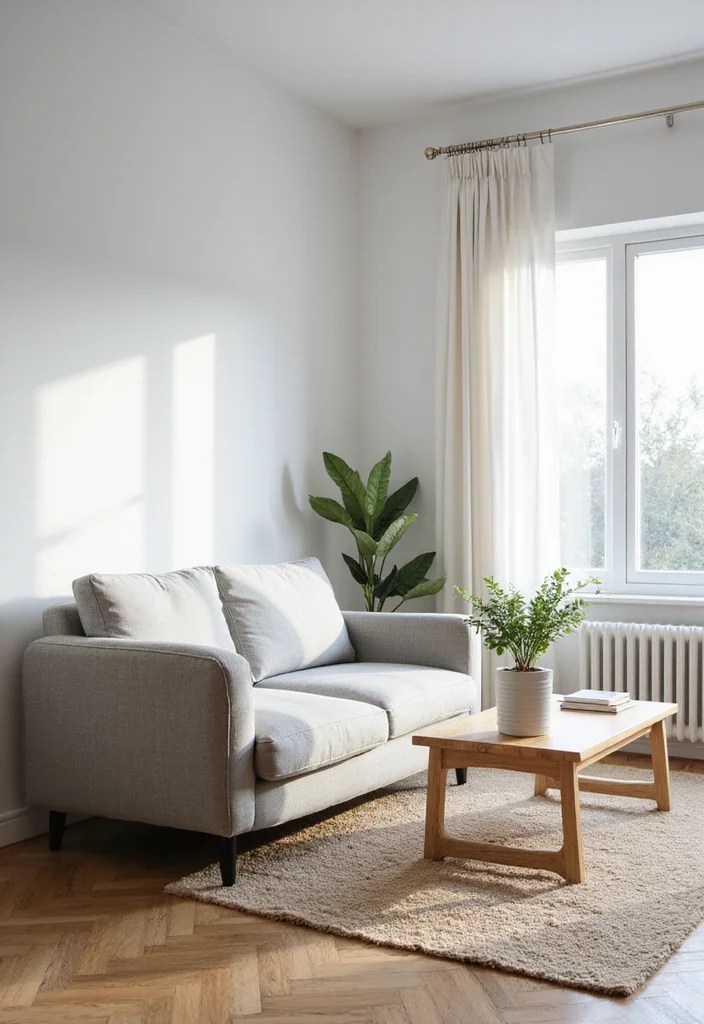
Embracing a minimalist lifestyle can bring clarity and peace to busy moms. This approach helps you focus on what truly matters by surrounding yourself with only essential items that spark joy. For example, consider pairing soft neutral tones with a few cherished decor pieces to create a serene, inviting atmosphere.
To implement minimalism effectively, tackle one room at a time. Ask yourself if each item serves a purpose or brings happiness. This method not only clears clutter but creates a more intentional space.
Here are some tips to get you started:
– Create a ‘keep’, ‘donate’, and ‘discard’ pile.
– Limit decorations to a few meaningful pieces.
– Invest in multi-functional furniture to reduce items.
When every item has a purpose, your home transforms into a calming retreat that encourages relaxation and creativity.
Editor’s Choice
2. Upcycle and Repurpose
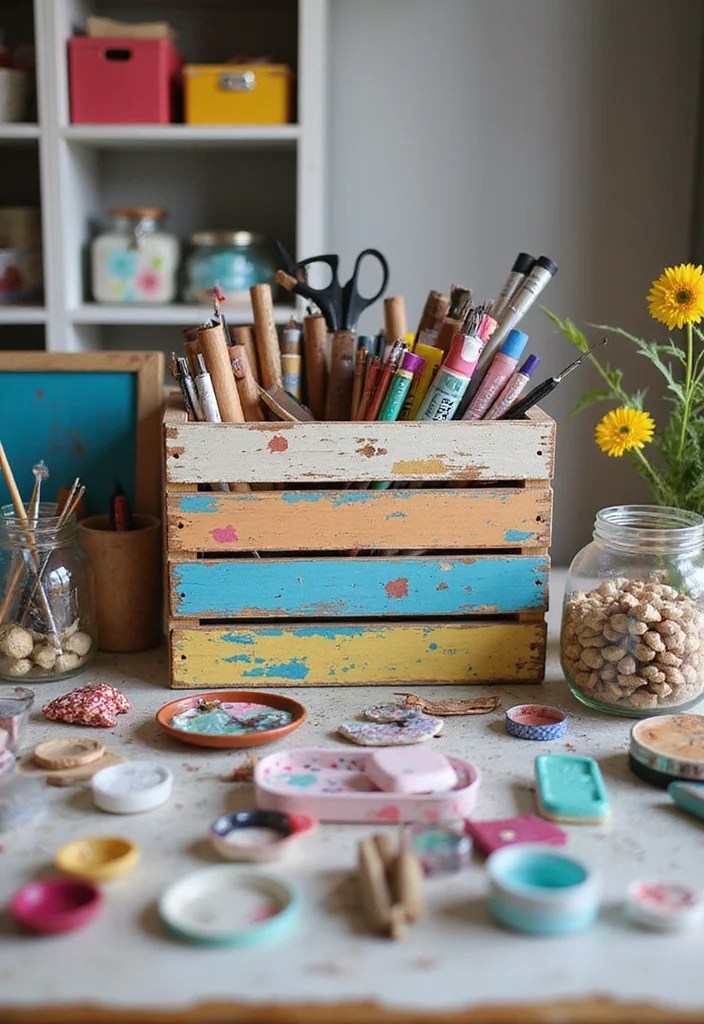
Rather than tossing out old items, consider their potential for creative reuse. Upcycling offers a fantastic opportunity to declutter while infusing your home with unique character. For example, a wooden crate can become a stylish toy organizer with a splash of paint, while old glass jars can serve as chic storage for small items.
This approach not only clears space but adds personalized touches that reflect your style. Every upcycled item narrates a story, blending functionality with creativity.
Here are some creative upcycling ideas:
– Use old t-shirts to make reusable shopping bags.
– Turn wine corks into bulletin boards or coasters.
– Repurpose furniture by giving it a fresh coat of paint.
Embracing upcycling showcases your creativity and keeps valuable materials from ending up in landfills.
Editor’s Choice
3. Eco-Friendly Storage Solutions
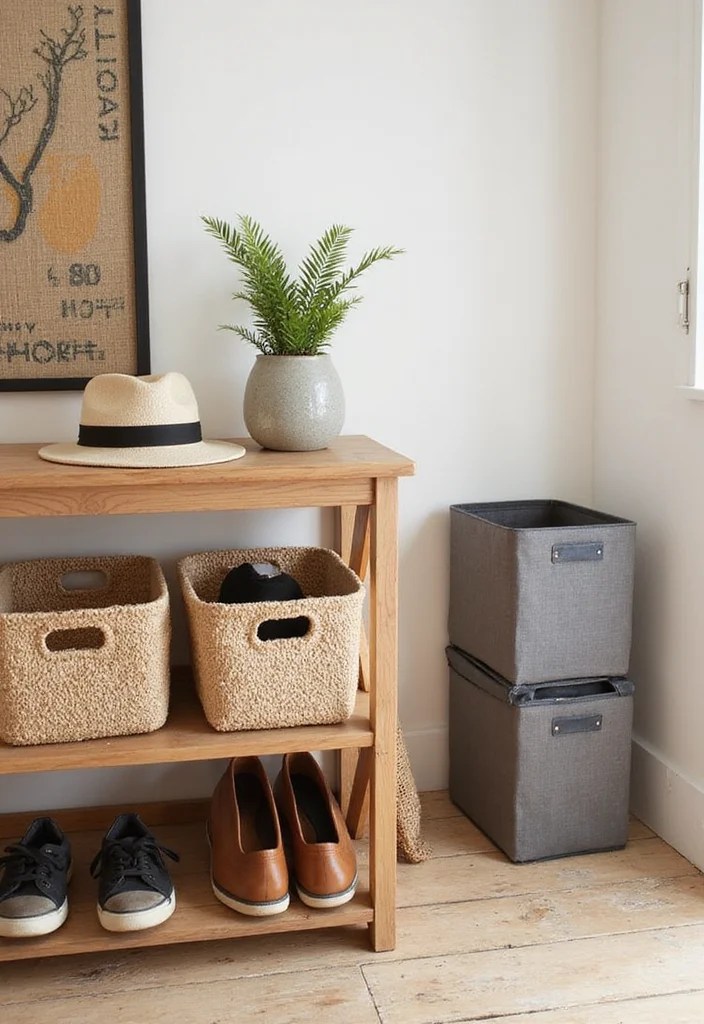
Choosing the right storage solutions can significantly impact the environment while enhancing your home’s aesthetics. Opting for eco-friendly options not only reduces waste but also adds warmth and texture to your space. Look for storage bins made from recycled materials or natural fibers like jute and cotton to create a sustainable yet stylish organization system.
Labeling these bins with biodegradable tags keeps your home tidy while being mindful of your environmental footprint. This thoughtful approach turns organization into an eco-conscious practice.
Consider these storage ideas:
– Use wicker baskets for an earthy touch.
– Invest in stackable bins to maximize space.
– Choose collapsible options for seasonal items.
By selecting eco-friendly storage solutions, you can achieve an organized home that reflects your commitment to sustainability.
Editor’s Choice
4. Digital Decluttering
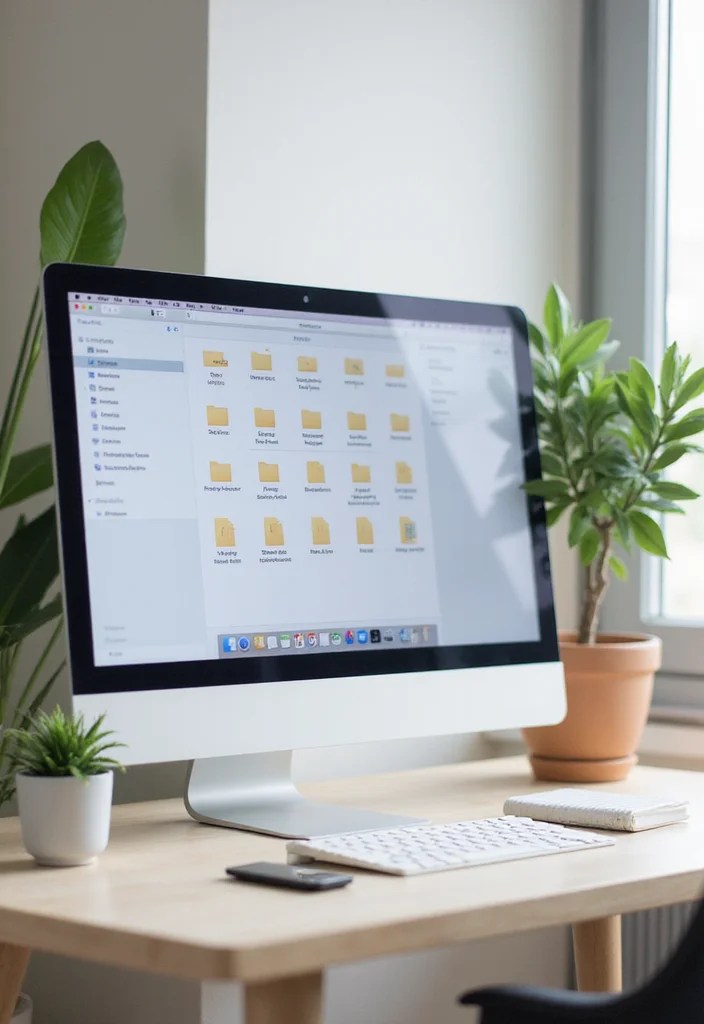
In today’s digital age, clutter isn’t just physical; it can also be digital. Begin by organizing your emails, files, and photos. Dedicate time each week to sort through your digital space. Delete emails you no longer need and unsubscribe from unwanted newsletters to streamline your inbox.
For family photos, consider using cloud storage for easy access while keeping everything in order. This not only reduces digital clutter but also makes life less stressful by helping you find important files quickly.
Here are effective digital decluttering strategies:
– Utilize folders to classify important documents.
– Regularly back up files to avoid loss.
– Set limits on the number of apps on your phone.
By decluttering digitally, you create a more organized and less distracting environment that simplifies your life.
Editor’s Choice
📹 Related Video: Managing, Organizing & Simplifying Digital Photos on our Phone & Computer (Minimalist Living)
5. Host a Swap Party
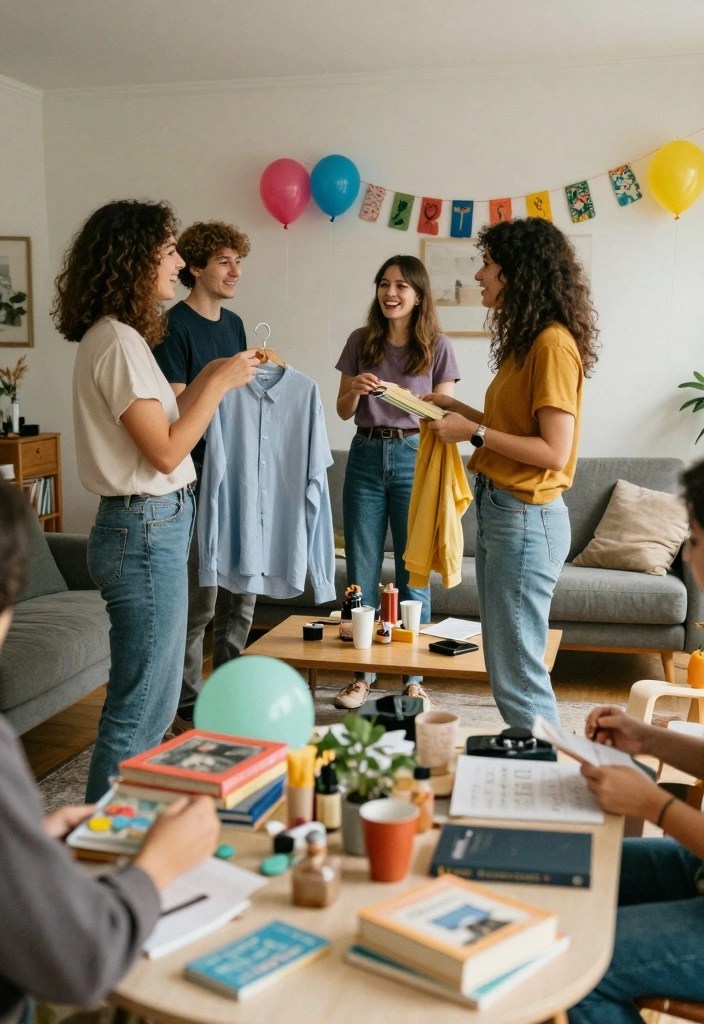
Gather your friends and family for a swap party! This fun event allows you to declutter by exchanging items you no longer need while refreshing your home without spending money. Designate specific categories for swapping, such as clothing, toys, or books, making it a sustainable and enjoyable experience.
Hosting a swap party not only promotes eco-friendly practices but also strengthens community ties. It’s a creative way to revamp your living space without contributing to consumerism.
To host a successful swap party:
– Set a date and invite your closest friends or family.
– Create categories for items to be swapped.
– Prepare snacks and drinks to make it festive!
This social event turns decluttering into a fun gathering that everyone can enjoy.
Did you know a well-planned swap party can cut household clutter by up to 60% and save families money at the same time? Organize categories like clothing, toys, and books, and enjoy an eco-friendly declutter that strengthens community and style.
Editor’s Choice
You might also like
15 Stunning Compost Bins That Make Eco-Friendly Living a Breeze (You Won’t Believe #8!)

Eco-Friendly Holiday Gifts That Show You Care
6. Make Donations a Habit
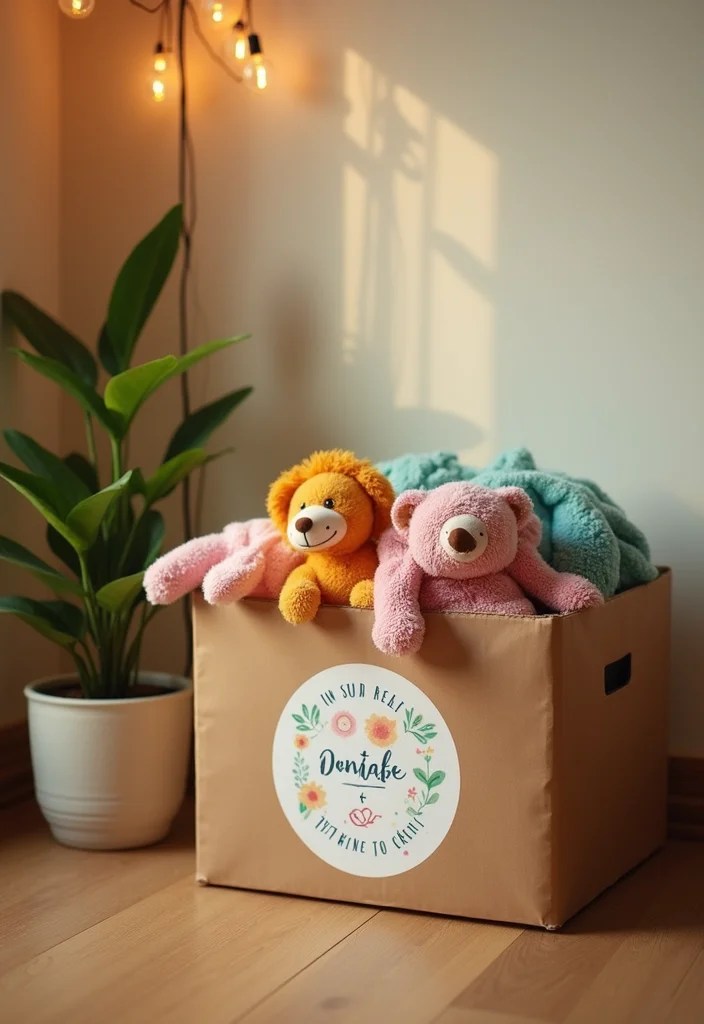
Transforming your decluttering process into a regular habit can keep your space organized. Consider placing a donation box in your home as a constant reminder to let go of unused items. Establish a schedule for donations—perhaps monthly or seasonally—to clear out clothes, toys, and household goods.
This practice not only benefits those in need but also helps maintain an uncluttered environment for you and your family.
For effective donations:
– Research local charities to find a good fit for your items.
– Ensure items are in good condition before donating.
– Involve your kids to teach them the importance of giving.
By fostering a donating habit, you cultivate generosity and contribute positively to your community.
Turning decluttering into a habit isn’t about perfection; it’s about tiny, doable steps. Set up a donation box, schedule monthly drop-offs, and watch your home breathe again with eco-friendly declutter wins.
Editor’s Choice
7. Teach Kids about Organization
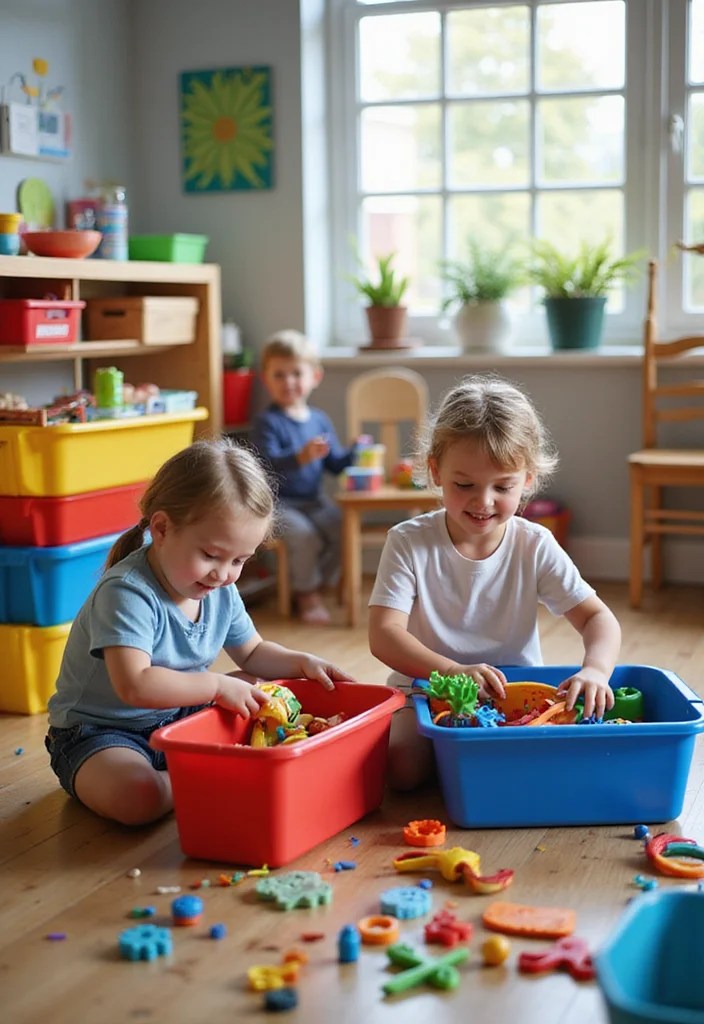
Involving your kids in the decluttering process is essential for long-term success. Teaching them about organization lightens your workload while instilling valuable life skills. Create fun games around tidying up, like setting a timer to see who can pick up the most toys in five minutes.
Assigning specific areas for each child to keep tidy makes it a family effort and helps them grasp the importance of maintaining a clean home.
Engaging ideas for kids include:
– Use colorful bins to make sorting fun.
– Create a chore chart with rewards for their help.
– Discuss the importance of donating toys they no longer use.
Encouraging kids to take ownership of their spaces fosters lasting habits that benefit everyone.
Editor’s Choice
8. Invest in Eco-Friendly Cleaning Supplies
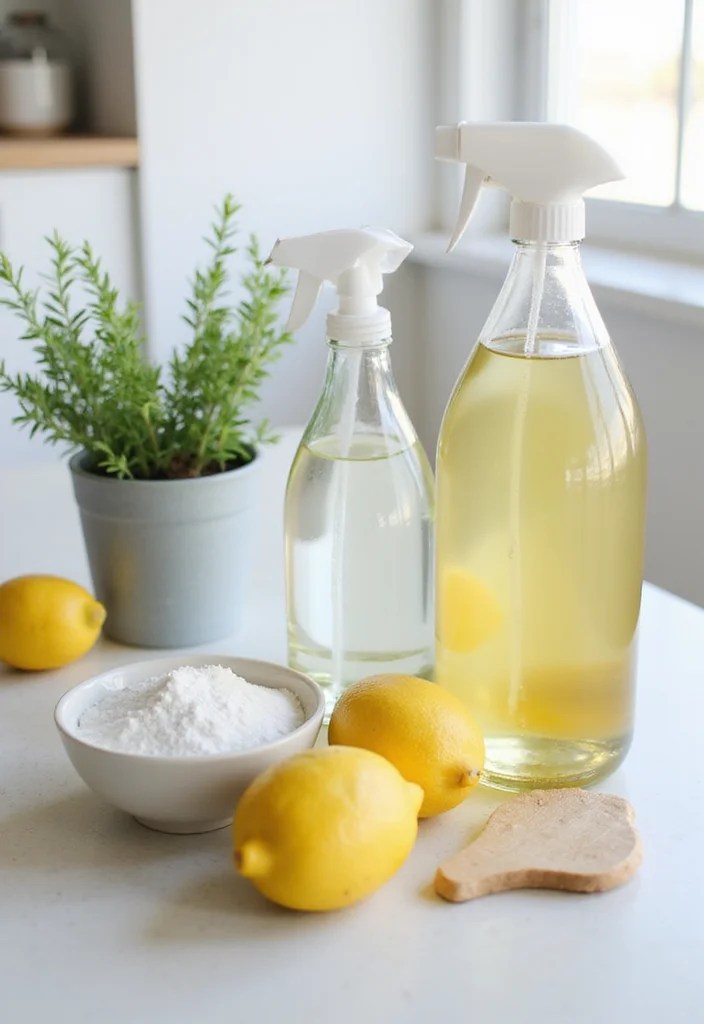
Cleaning can often lead to more clutter and waste if you rely on conventional products. Transition to eco-friendly cleaning supplies that are effective and gentle on the environment. Seek out brands using natural ingredients and sustainable packaging, or even create your own cleaners with simple items like vinegar and baking soda.
These alternatives not only reduce harmful chemicals in your home but also lessen your ecological impact.
Here are DIY eco-friendly cleaning solutions to try:
– Mix vinegar with water for an all-purpose cleaner.
– Use baking soda for scrubbing sinks and surfaces.
– Lemon juice can be a natural disinfectant.
This shift not only declutters your cleaning supplies but also contributes to a healthier home.
Eco-friendly declutter starts with small swaps; switch to eco-friendly cleaning supplies and watch clutter shrink as chemicals disappear. DIY cleaners with vinegar and baking soda are practical, cheap, and powerful, cutting waste while keeping your home safe for kids.
You Might Also Like
15 Unique Gift Ideas for Kids That Will Spark Joy (Wait Until You See #5!)
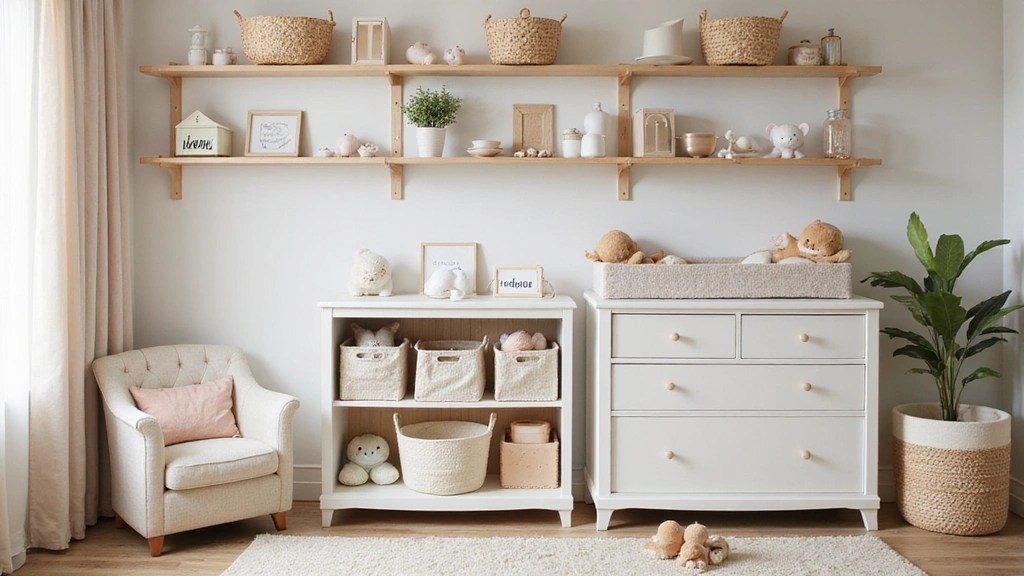
15 Genius Nursery Organization Ideas That’ll Save You Money (and Time!)
9. Create a Family Command Center
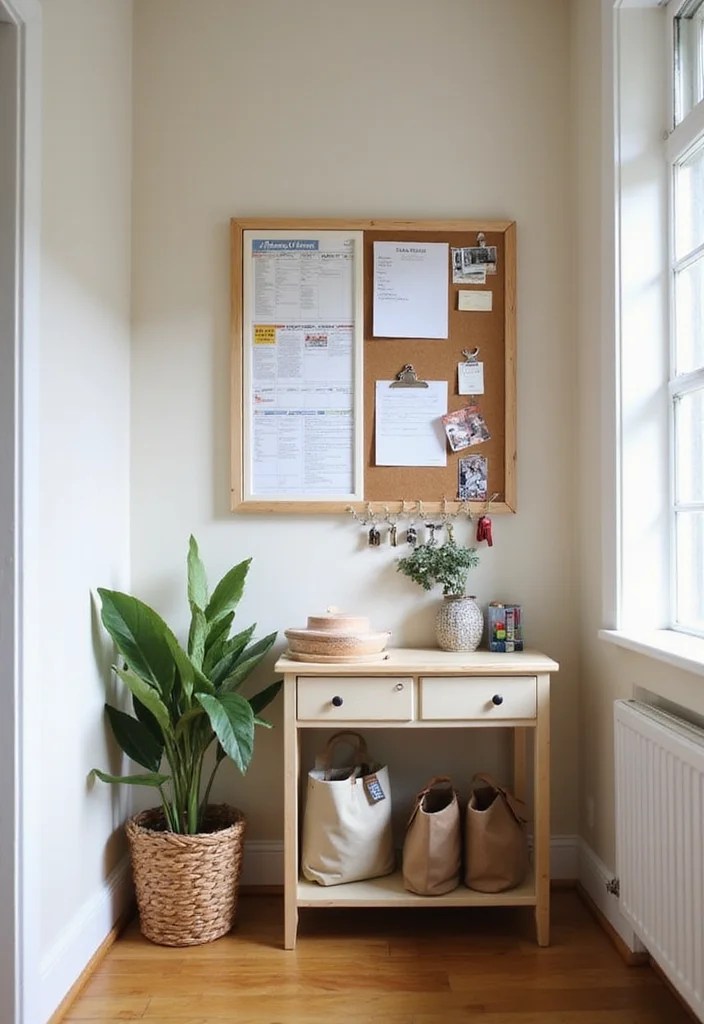
Establishing a family command center can streamline daily tasks and reduce chaos in your home. This organized space can house schedules, bills, and essential items all in one spot. Use a wall-mounted organizer or a designated table for calendars, mail, and important documents.
Add a bulletin board for reminders and a section for each family member’s personal items. This not only keeps clutter at bay but also promotes teamwork and accountability among family members.
To create an effective command center:
– Choose a location accessible for everyone.
– Make it visually appealing with colors and personal touches.
– Regularly review and tidy it to maintain functionality.
A family command center can significantly reduce stress and improve organization.
Editor’s Choice
10. Practice Mindful Shopping
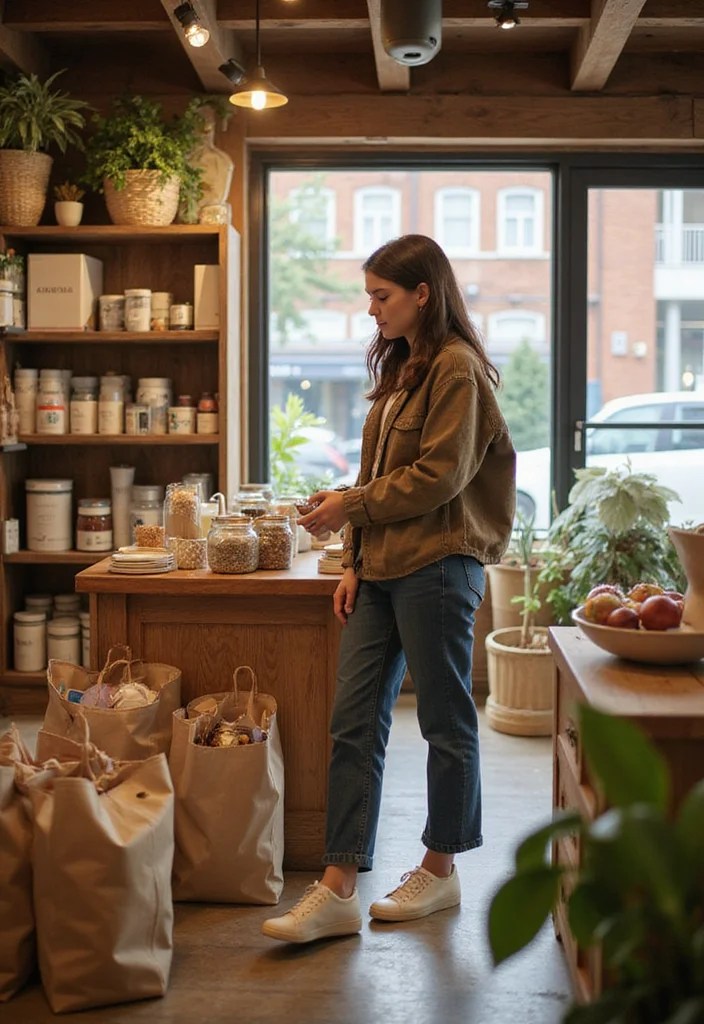
Lastly, consider how your shopping habits contribute to clutter in your home. Adopting mindful shopping techniques can prevent unnecessary accumulation of items. Before making a purchase, ask yourself if the item is truly needed or if it will add value to your life.
Create lists to avoid impulse buys and prioritize quality over quantity. Additionally, support sustainable brands that focus on ethical practices and materials.
Here are mindful shopping strategies to consider:
– Implement a one-in, one-out rule for new purchases.
– Evaluate needs versus wants before buying.
– Support local businesses and eco-friendly brands.
By shifting your shopping habits, you can maintain a clutter-free environment while being mindful of your impact on the planet.
Conclusion
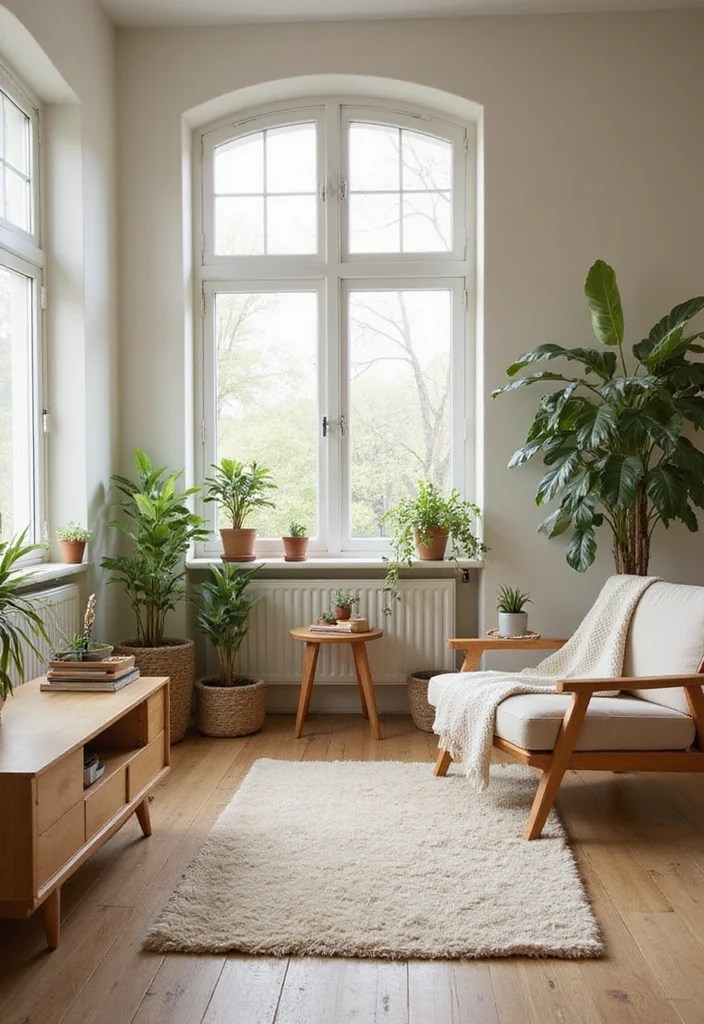
Embracing eco-friendly decluttering methods can lead to a happier and more organized home, especially for moms balancing so many tasks. By integrating these sustainable practices into your routine, you not only create a serene living environment but also set a positive example for your children.
Consider starting with just one idea from this guide and see how it transforms your space. The journey towards a clutter-free home can be both rewarding and enjoyable.
Note: We aim to provide accurate product links, but some may occasionally expire or become unavailable. If this happens, please search directly on Amazon for the product or a suitable alternative.
This post contains Amazon affiliate links, meaning we may earn a small commission if you purchase through our links, at no extra cost to you.
Frequently Asked Questions
What are practical steps for an eco-friendly declutter for busy moms?
Busy moms can start with a simple, doable plan. Begin with a quick 15–20 minute declutter to set the tone, then sort items into three bins: Keep, Donate/Sell, and Recycle/Repurpose. Tackle high-traffic areas first, like the entryway, playroom, and shelves, to make an immediate impact on organization and flow.
Choose durable, reusable storage made from sustainable materials, and repair or upcycle items instead of discarding them. When you donate, choose local charities or swap with friends to minimize waste. End with a quick daily reset to prevent clutter from creeping back, keeping your home eco-friendly and manageable for moms.
What are tips for maintaining a sustainable declutter without wasting items?
Embrace the 3Rs: Repair, Reuse, Recycle. Start by evaluating items for donation: if it’s in good condition, pass it on; if not, repurpose or recycle responsibly. Use a one-in, one-out rule for decor to keep balance.
Shop smarter: wait 24–48 hours before adding new decor, choose timeless pieces, and favor sustainable materials. Host a mini-swap with friends or neighbors to refresh your space without waste. Keep a quick photo before/after to stay motivated and show your moms tribe that eco-friendly declutter is doable.
What are eco-friendly organization ideas to keep a stylish home?
Turn clutter into design with eco-friendly declutter ideas that keep style and sustainability in balance. Choose storage from bamboo, upcycled wood, or recycled fabrics, and label everything for organization. Plan zones for morning routines, toys, and crafts, and use vertical storage to save floor space. Select timeless decor pieces to reduce future clutter, and involve moms in the setup so your space stays both stylish and sustainable.
How can I involve kids in eco-friendly decluttering and teach sustainability?
Make it a family activity that teaches practical eco-skills. Use color-coded bins for Keep, Donate/Sell, and Recycle, and let kids decide with gentle guidance. Explain why we donate and recycle so the task feels meaningful. Try upcycling ideas together, like turning jars into organizers or creating artwork from scraps. Celebrate small wins with a sticker chart and keep the conversation positive—teamwork builds lasting organization and eco-friendly habits for moms and kids alike.
Which items should be donated or repurposed rather than tossed during an eco-friendly declutter?
Focus on decor items in good condition: duplicate pieces, gently used textiles, frames, and small storage containers that still have life. Repair or repurpose items when possible—turn a scarf into a table runner or jars into storage. Donate to local charities or schools, or sell online to extend their life. Recycle or dispose of hazardous materials properly, and avoid throwing away items that still bring joy or function. A sustainable eco-friendly declutter approach means thoughtful decisions, not quick disposal.
Related Topics
eco-friendly declutter
sustainable organization
mom life
minimalist home
green living
easy decluttering
family-friendly tips
budget-friendly decor
DIY eco projects
home organization
clutter-free lifestyle
natural materials
 The Midnight Scribbler
Leave a comment