
Parenting can feel like walking a tightrope, especially when trying to find the right balance between guiding your children and giving them the freedom to explore. I created this post to help parents navigate this tricky path, specifically through the concept of Lighthouse Parenting. This approach shines a light on how you can support your child’s journey while allowing them room to grow. If you’ve ever felt torn between being too controlling like a helicopter parent or too hands-off like a free-range parent, this guide is for you.
If you care about raising confident, resilient, and independent kids without losing sight of your role as a supportive figure, then you’ll find valuable insights here. This post will offer practical tips to set clear boundaries, encourage independence, and foster open communication. By the end, you’ll have a better understanding of how to balance control and freedom, ensuring your kids thrive within a safe and loving environment.
As you read through, expect to discover actionable strategies that help you build healthy relationships with your children. You’ll also learn methods to inspire creativity and resilience, all while celebrating their achievements together. Let’s dive into the world of Lighthouse Parenting and explore how to guide your children effectively while allowing them to flourish on their own.
Key Takeaways
– Understanding Lighthouse Parenting: Learn how this balanced approach combines guidance with independence, differing from both helicopter and free-range parenting styles.
– Setting Clear Boundaries: Discover the importance of establishing rules and limitations that provide safety while allowing children to make choices within those boundaries.
– Encouraging Independence: Find out how to promote self-sufficiency in your children by giving them opportunities to make decisions and learn from their experiences.
– Fostering Open Communication: Understand the significance of maintaining a dialogue with your kids, ensuring they feel comfortable sharing their thoughts, feelings, and concerns with you.
– Celebrating Achievements Together: Learn how recognizing and celebrating your child’s milestones nurtures their self-esteem and strengthens your bond, reinforcing their confidence as they grow.
Contents
- 1. Understanding Lighthouse Parenting
- 2. Setting Clear Boundaries
- 3. Encouraging Independence
- 4. Fostering Open Communication
- 5. Model Healthy Relationships
- 6. Balancing Support and Autonomy
- 7. Encourage Creativity and Exploration
- 8. Help Them Develop Resilience
- 9. Be a Source of Inspiration
- 10. Celebrate Achievements Together
1. Understanding Lighthouse Parenting

You want your children to feel safe while exploring the world around them. Lighthouse Parenting strikes the perfect balance between guidance and freedom, allowing your kids to grow in a nurturing environment. By setting clear boundaries yet giving them room to breathe, you empower them to develop independence and confidence. This parenting style promotes your child’s growth while ensuring they know you’re always there for support.
To truly embrace Lighthouse Parenting, focus on these practical steps:
Define Your Values: Clearly outline what matters most to you and your family.
Communicate Openly: Foster trust by discussing challenges and choices regularly.
Provide Guidance: Support your children without dictating their every move.
Be a Role Model: Show the independence and responsibility you wish to instill in them.
Lighthouse Parenting is more than a method; it’s a journey toward nurturing resilient, confident children who can face life’s challenges head-on.
2. Setting Clear Boundaries

Creating clear boundaries is key to successful Lighthouse Parenting. Children thrive when they understand what behaviors are acceptable and which ones are not. These boundaries give them a sense of security, allowing them to explore their limits safely. Consistent, loving communication about these rules is essential.
Consider these essential elements for effective boundary setting:
Consistency is Key: Apply rules uniformly across various situations.
Flexibility: Adjust boundaries as your child grows and matures.
Involve Your Child: Let them help set some boundaries, encouraging ownership.
Positive Reinforcement: Celebrate their adherence to rules to reinforce good behavior.
By establishing clear and loving boundaries, you create a supportive framework that enables your child to explore with confidence, knowing you’re there for them.
Editor’s Choice
How To Choose the Right Balance in Lighthouse Parenting
When it comes to parenting, finding the right balance between control and freedom can feel like walking a tightrope. You want to guide your children while also allowing them the space to grow independently. Here’s how to navigate this journey effectively.
1. Define Your Parenting Goals
Start by considering what you want your children to learn and experience. Are you focused on teaching responsibility, resilience, or creativity? By identifying your goals, you can shape your approach to align with what’s most important to you. Write these goals down to keep them in mind as you make parenting decisions.
2. Assess Your Child’s Needs
Every child is unique, with their own strengths and challenges. Take time to understand their personality, interests, and areas where they may need support. This assessment will help you strike the right balance between offering guidance and allowing freedom. For instance, if your child is naturally curious, encourage exploration while ensuring safety.
3. Set Clear Boundaries
Boundaries provide a framework for your children to understand what is acceptable and what isn’t. Discuss these boundaries openly with your child, explaining the reasons behind them. Use simple language and examples they can relate to. Clear boundaries help children feel secure, which is crucial for their independence.
4. Encourage Independence
Foster independence by allowing your children to make choices and take on responsibilities appropriate for their age. Whether it’s letting them pick out their clothes or make a simple meal, these small decisions build confidence. When they succeed, celebrate those moments, reinforcing their ability to navigate the world.
5. Foster Open Communication
Create a safe space for your kids to express their thoughts and feelings. Regularly check in with them about their day, their worries, and their dreams. This open communication helps you understand their perspective and promotes trust. When children feel heard, they’re more likely to come to you with problems instead of hiding them.
6. Model Healthy Relationships
Children learn by watching you. Show them what healthy relationships look like through your interactions. Demonstrate kindness, respect, and open communication with others. When they see you navigating conflicts or challenges positively, they learn to apply these skills in their own lives.
Pro Tip: Share stories of your own experiences with challenges and how you overcame them. This shows children that everyone faces difficulties and gives them a roadmap for handling their own.
It’s important to remember that finding the right balance in lighthouse parenting is a journey. There will be times when you may feel too controlling or too permissive. Reflect on your parenting style often and be willing to adjust as needed. The key is to maintain a loving and supportive environment where your child can grow and thrive. With patience and intention, you can guide your children while allowing them the freedom to explore the world around them.
3. Encouraging Independence

Nurturing independence is vital in Lighthouse Parenting. It’s important for children to learn how to navigate their own experiences, as this fosters confidence and self-reliance. Allowing them to make choices—and learn from both successes and mistakes—prepares them for the future.
Here are some effective tips to encourage independence:
Allow Mistakes: Let your child make age-appropriate decisions and accept their consequences.
Support Problem-Solving: Ask guiding questions when they face challenges, rather than providing immediate solutions.
Celebrate Achievements: Recognize their efforts and accomplishments, no matter how minor.
Provide Opportunities: Give them responsibilities at home, like chores or managing their own time.
By promoting independence, you give your child the freedom to grow while equipping them with valuable life skills.
📹 Related Video: The Scandinavian Method to Raise Independent Children
4. Fostering Open Communication
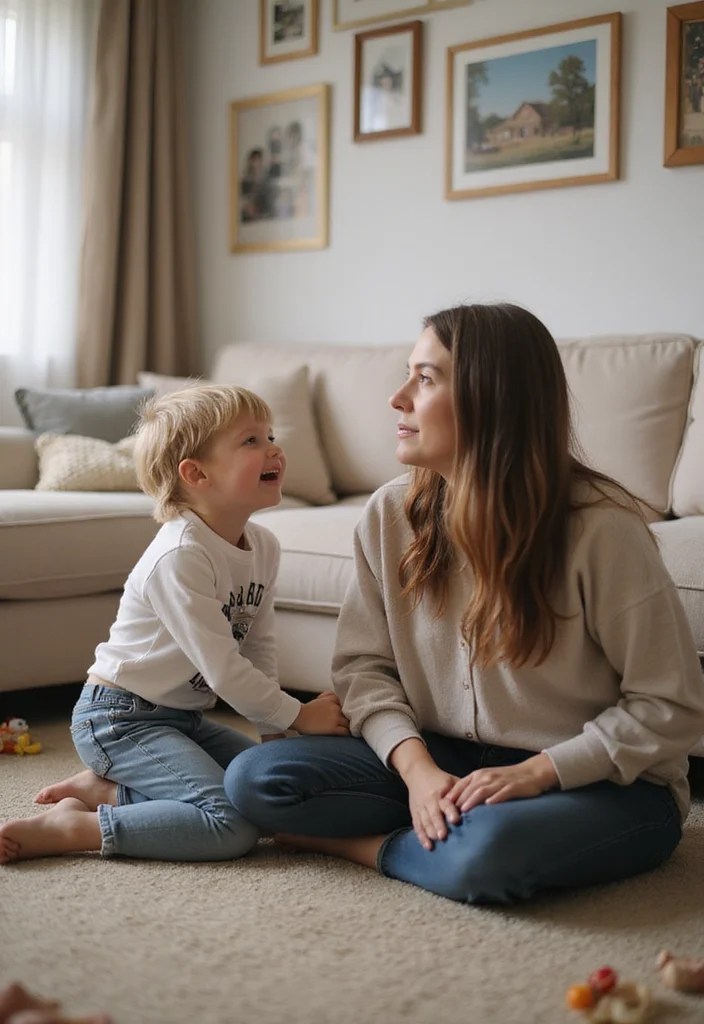
Open communication is the cornerstone of Lighthouse Parenting. When children feel comfortable expressing themselves, it strengthens your relationship and helps you manage conflicts effectively. Children who feel heard are more likely to share their thoughts and concerns with you.
To nurture open communication, consider these strategies:
Be Approachable: Make sure your child knows they can talk to you without fear.
Active Listening: Show genuine interest in their words through nodding and eye contact.
Discuss Feelings: Encourage your child to articulate their emotions for better understanding.
Keep the Conversation Going: Regularly talk about their day to build comfort in sharing deeper issues.
By fostering open communication, you lay a strong foundation of trust and respect, essential to Lighthouse Parenting.
Editor’s Choice
5. Model Healthy Relationships

Children learn about relationships by observing their parents. As a Lighthouse Parent, demonstrating healthy interactions provides your kids with a blueprint for their future. This includes how you treat your partner, friends, and even your children.
To model healthy relationships, focus on these actions:
Practice Respect: Always show respect in your interactions; your children are watching.
Show Affection: Openly express love and connection to highlight emotional bonds.
Conflict Resolution: Demonstrate healthy ways to resolve disagreements respectfully.
Encourage Empathy: Teach your kids to consider others’ feelings and perspectives.
By embodying these values, you help your children build healthy relationships, paving the way for their social success.
As a Lighthouse Parenting guide, your everyday interactions are your kids’ blueprint for love. Model respect, show affection, and resolve conflicts calmly to teach what healthy relationships look like—from partners to friends. Small, consistent acts steer them toward confident, connected futures.
You might also like

10 Family-Friendly Thanksgiving Activities That Will Keep Your Kids Entertained All Day!

Micro-Moments That Matter: 7 Tiny Daily Habits That Build Unbreakable Bonds With Your Kids
6. Balancing Support and Autonomy

Striking the right balance between support and autonomy is essential in Lighthouse Parenting. You want to be their anchor while allowing them to sail independently. This balance ensures they feel confident tackling challenges, knowing your support is always available.
Use these strategies to maintain this balance:
Check-in Regularly: Offer help when necessary but step back when they manage well.
Encourage Self-Exploration: Allow them to explore their interests without interference.
Be Available: Let them know you’re there if they need guidance.
Create a Safety Net: Assure them it’s okay to lean on you for help or reassurance.
Maintaining this balance helps children develop a strong sense of self while knowing they can always count on your support.
7. Encourage Creativity and Exploration

One of parenting’s greatest joys is witnessing your child’s creativity and exploration. Lighthouse Parenting nurtures this natural curiosity while providing necessary guidance. Encouraging creative pursuits allows children to express themselves and grow in imaginative ways.
To foster creativity and exploration, try these approaches:
Provide Resources: Stock up on art supplies and materials that inspire.
Encourage Games: Engage in imaginative play, whether through building or crafting.
Visit New Places: Take trips to museums or parks to spark inspiration.
Limit Screen Time: Promote real-world experiences over passive screen time.
By guiding your children in creativity and exploration, you ignite their passion for learning and discovery, unlocking endless growth opportunities.
8. Help Them Develop Resilience

Resilience is an essential life skill that helps children bounce back from challenges. As a Lighthouse Parent, you play a crucial role in nurturing this trait. By supporting them during tough times and encouraging them to face challenges, you build a strong foundation for their future.
Here’s how to help develop resilience:
Normalize Struggles: Teach them that facing challenges is part of life.
Encourage Perseverance: Motivate them to keep trying and celebrate their efforts.
Teach Problem-Solving: Involve them in finding solutions to their problems.
Provide Emotional Support: Be there to listen and offer comfort during disappointments.
By building resilience, you equip your children with the skills to manage life’s ups and downs, ensuring they can weather any storm.
You Might Also Like

15 Toddler Items You Must Have in Your Closet for Stress-Free Parenting!

7 Screen-Free Play Ideas That Boost Creativity with Kids
9. Be a Source of Inspiration

Children often look up to their parents as role models. As a Lighthouse Parent, being a source of inspiration can greatly influence your child’s dreams and ambitions. Show them the importance of pursuing passions and living authentically, motivating them to chase their own dreams.
Ways to inspire your children include:
Share Your Journey: Talk about your challenges and how you overcame them.
Encourage Passion Projects: Support their hobbies with genuine enthusiasm.
Celebrate Diversity: Introduce them to different cultures and lifestyles.
Lead by Example: Exhibit qualities like hard work and honesty for them to emulate.
By being a beacon of inspiration, you empower your children to dream big and confidently pursue their paths.
Fun fact: 68% of kids say they are more inspired when parents share real challenges. Be a lighthouse—talk about your journey, celebrate their passions, and show up with authentic enthusiasm.
Editor’s Choice
10. Celebrate Achievements Together

Celebrating achievements, small or large, helps children feel valued and recognized. As a Lighthouse Parent, taking time to acknowledge their milestones reinforces their efforts and encourages them to continue striving for success. It creates a sense of accomplishment and shared joy.
Here’s how to celebrate effectively:
Make it Special: Plan a memorable dinner, party, or outing.
Praise Efforts: Recognize the hard work behind their achievements, not just the results.
Create Traditions: Establish family traditions for celebrating milestones.
Encourage Gratitude: Discuss the journey and inspire kids to express gratitude.
Celebrating achievements together strengthens family bonds and instills pride and motivation in your children.
Celebrating small milestones together builds lasting motivation and trust in Lighthouse Parenting. When you praise effort, not just outcomes, your child feels seen and supported—turning every achievement into a shared moment of joy and growth.
Editor’s Choice
Conclusion

Navigating the delicate balance of control and freedom in parenting is no easy task, but by embracing Lighthouse Parenting, you can guide your children while allowing them the space to grow. With clear boundaries, open communication, and a supportive environment, you can empower your kids to become independent, resilient individuals. As you embark on this journey, remember to celebrate every milestone along the way—both yours and theirs.
Note: We aim to provide accurate product links, but some may occasionally expire or become unavailable. If this happens, please search directly on Amazon for the product or a suitable alternative.
This post contains Amazon affiliate links, meaning we may earn a small commission if you purchase through our links, at no extra cost to you.
Frequently Asked Questions
What is Lighthouse Parenting and how is it different from helicopter parenting and free-range parenting?
Lighthouse Parenting means guiding your child from a safe distance—setting clear boundaries and providing a steady light of support while they navigate their own path. It’s the balance between control and freedom and sits between helicopter parenting and free-range parenting. Helicopter parenting hovers and micromanages, often eroding independence; free-range parenting grants more autonomy with fewer built-in safeguards; Lighthouse Parenting builds safe pathways, practice predictable routines, and host regular check-ins to empower decision-making. Practical steps to start: define 2–3 safety non-negotiables, give your child two choices to practice decisions, and set up safety nets (emergency contacts, agreed signals) along with scheduled lightkeeper conversations to reflect and adjust as needed.
How can I practice Lighthouse Parenting in real life without being a helicopter parent or neglectful?
To practice Lighthouse Parenting in real life without being a helicopter parenting or neglectful, start by clarifying your core values and communicating them clearly to your child. Then gradually release independence by offering age-appropriate choices (what to wear, what club to join) within safe boundaries. Build routines with predictable light signals: daily check-ins, agreed consequences, and a plan for safe risks. Maintain safety nets: know who to contact in emergencies, and let your child know when you’ll step in and why. Review weekly what worked, what didn’t, and adjust—this is how you grow a balanced approach to Lighthouse Parenting.
What practical steps can I take to balance control and freedom for my child in daily life?
Start with a simple control-freedom matrix: pick one area to loosen this week (morning routine, homework choices) while keeping safety rules in place. Use clear rules that feel fair and negotiable: ‘If you handle it, you own the outcome’ and ‘If you can’t handle it, we pause and reassess.’ Create predictable routines and teach problem-solving skills so kids don’t rely on you to solve every problem. Celebrate small wins and use natural consequences to reinforce learning, not punishment. This is the essence of Lighthouse Parenting—steady guidance that grows autonomy and resilience.
What are warning signs you’re leaning toward helicopter parenting or too permissive, and how can Lighthouse Parenting help?
Look for signals you’re leaning toward helicopter parenting or too permissive: you’re micromanaging every decision, over-scheduling, and stepping in before your child tries on their own. Or you’re skipping boundaries altogether, leaving safety nets out and letting chores and decisions slide. If you notice anxiety, impulsivity, or constant need for reassurance in your child, it may be a sign to recalibrate toward Lighthouse Parenting. How to fix: replace warnings with options (‘Would you like to try this or that?’), set clear boundaries with if-then plans, and schedule regular check-ins to monitor progress. Ensure the light you cast is bright enough for guidance but never so harsh it blinds them.
How does Lighthouse Parenting affect kids’ autonomy, resilience, and safety?
With Lighthouse Parenting, kids build autonomy and resilience by solving problems, making decisions within safe boundaries, and learning from mistakes. Regular check-ins and safe-risk opportunities help them assess consequences and grow confident. Safety stays a priority through well-defined boundaries, communication, and predictable routines, not through control alone. To foster this balance, practice guided problem-solving, focus feedback on effort and process, and celebrate progress toward independence.
Related Topics
lighthouse parenting
balanced parenting
helicopter parenting
free-range parenting
parenting styles
child autonomy
controlled freedom
parenting techniques
mindful parenting
family dynamics
parenting advice
modern parenting
 The Midnight Scribbler
Leave a comment