In today’s world, emotional intelligence is more important than ever. As we raise our kids, we want them to be not only smart but also emotionally aware. When I started thinking about how to help children develop these essential skills, it became clear that the right shows can make a big difference. That’s why I created this list of smart kids’ shows that teach emotional intelligence. These shows are not just fun; they foster empathy, understanding, and social skills in a way that kids can grasp and enjoy.
If you’re a parent, caregiver, or educator looking to enrich a child’s emotional landscape, this post is for you. You want your kids to grow up with strong emotional skills that will help them navigate their relationships and understand their feelings. You’ll find here a curated list of 13 engaging shows that tackle complex emotions and social situations in simple, relatable ways. This collection is designed to entertain while educating, ensuring that kids not only laugh but also learn valuable life lessons along the way.
Get ready to explore these shows, and you might be surprised at how much wisdom they contain. From learning about friendship to understanding feelings, each show offers a unique perspective on emotional growth. By the time you reach #8 on this list, you might just find a new favorite that both you and your children will adore!
Key Takeaways
– Emotional Intelligence Matters: Teaching children emotional intelligence helps them develop empathy and better communication skills, essential for healthy relationships.
– Diverse Show Choices: The list includes a variety of shows that cater to different interests, from animated series like *Bluey* to educational programming like *Sesame Street*.
– Engaging Storylines: Each show uses captivating stories and characters that children can relate to, making lessons about emotions more impactful.
– Age-Appropriate Content: The selected shows are suitable for various age groups, ensuring that kids from toddlers to school-aged children can benefit.
– Fun Learning: The series encourage kids to reflect on their feelings while providing entertainment, making learning about emotional intelligence enjoyable.
Contents
- 1. Daniel Tiger’s Neighborhood (Netflix/YouTube)
- 2. Sesame Street (Netflix/YouTube)
- 3. Bluey (Disney+)
- 4. Arthur (Amazon Prime Video)
- 5. My Little Pony: Friendship Is Magic (Amazon Prime Video/Netflix)
- 6. The Magic School Bus Rides Again (Amazon Prime Video/Netflix)
- 7. T.O.T.S. (Disney+)
- 8. The Wonder Pets! (Amazon Prime Video/Netflix)
- 9. Llama Llama (Amazon Prime Video/Netflix)
- 10. Peppa Pig (YouTube/Netflix)
- 11. The Busy World of Richard Scarry (Prime Video/YouTube)
- 12. Doc McStuffins (Amazon Prime Video/YouTube)
- 13. Word Party (Amazon Prime Video/Netflix)
1. Daniel Tiger’s Neighborhood (Netflix/YouTube)
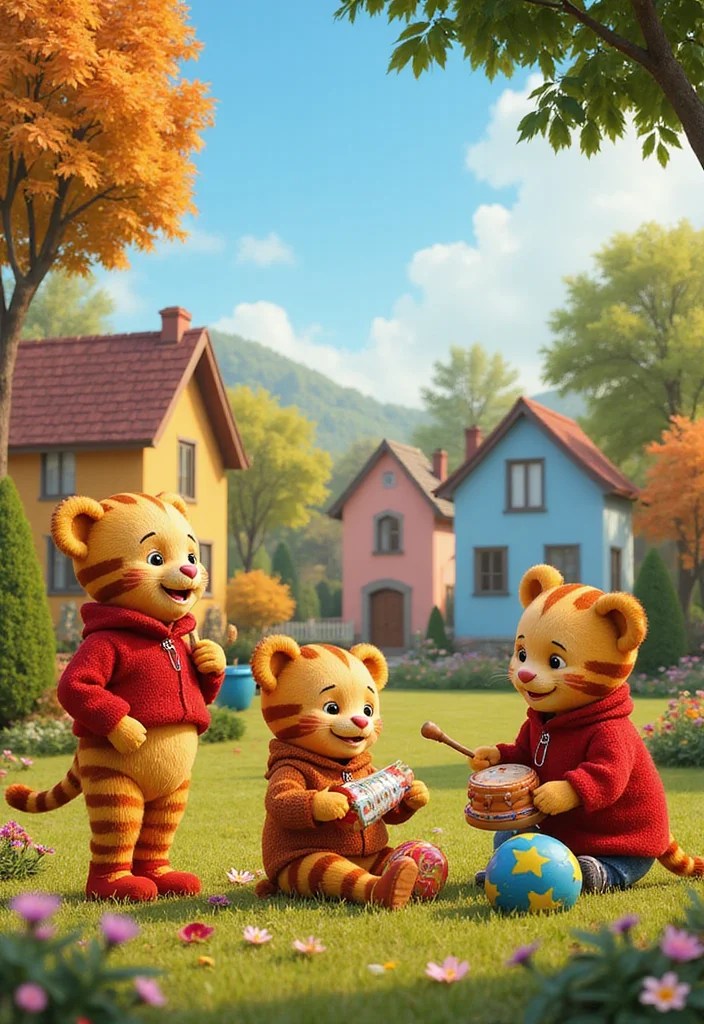
Daniel Tiger’s Neighborhood invites kids to explore emotions alongside Daniel, a charming young tiger. This delightful animated series, inspired by Mister Rogers’ legacy, uses catchy songs and relatable narratives to teach valuable lessons about feelings. Each episode addresses themes like sharing and bravery, helping children recognize and positively express their emotions. Parents appreciate how this show fosters essential social skills, creating an engaging and educational viewing experience at home.
To make the most of this series, encourage discussions about each episode’s themes with your children. Utilize the songs as tools for real-life situations, reinforcing the lessons they learn while watching.
Key takeaways from the show:
– Explore emotions through relatable stories
– Use music to remember coping strategies
– Discuss episode themes to strengthen understanding
By incorporating these lessons into daily life, your child will develop emotional intelligence in a fun and memorable way. They’ll thank you for these valuable skills as they grow!
Did you know Daniel Tiger’s Neighborhood is among the top smart kids shows, with 3 core skills—naming feelings, expressing them, and asking for help? Songs and simple stories turn big emotions into practical, brave actions like sharing.
2. Sesame Street (Netflix/YouTube)
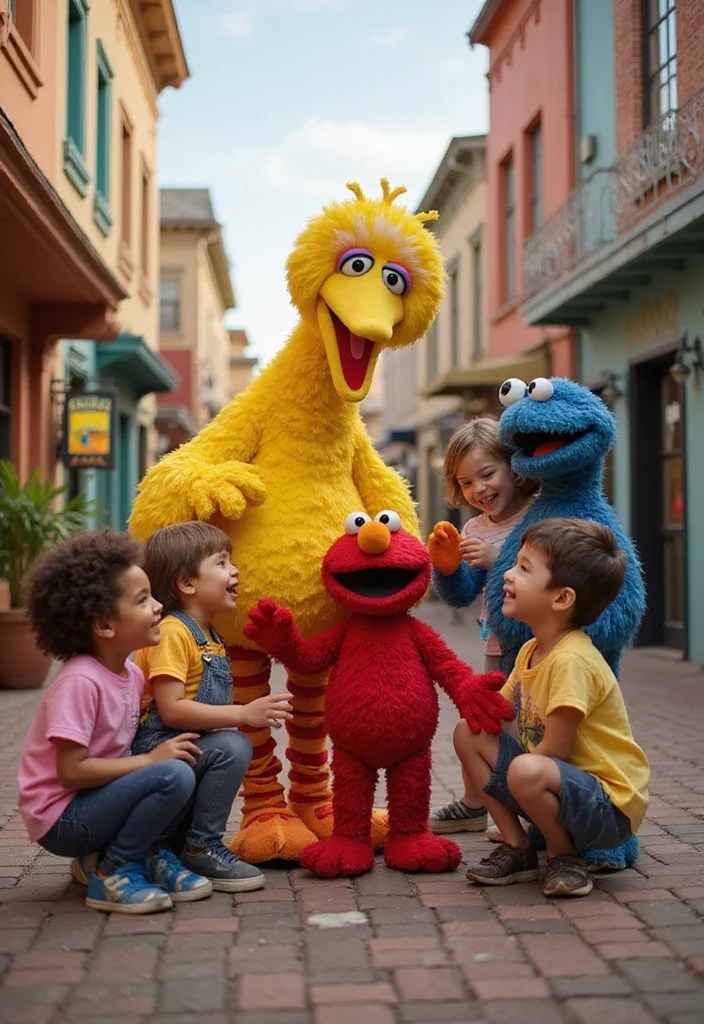
When it comes to children’s television, Sesame Street is a must-watch. With over 50 years of experience, this iconic show equips kids with essential skills, including emotional intelligence. Characters like Elmo and Big Bird tackle important topics such as friendship and expressing feelings, making learning both fun and engaging. Parents love how the humorous and relatable skits resonate with children, wrapping valuable lessons in laughter.
To maximize your child’s experience, watch episodes together and discuss the messages presented. Encourage them to share their thoughts on each character’s feelings and actions, deepening their understanding of empathy and respect.
Essential lessons from the show:
– Understand and celebrate differences
– Cultivate friendships through kindness
– Learn emotions through fun skits
Through these engaging stories, your child will develop crucial social skills that last a lifetime, making learning enjoyable for everyone involved.
3. Bluey (Disney+)

Bluey showcases a lovable Blue Heeler who embarks on heartwarming adventures filled with emotional exploration. This engaging Australian series highlights imaginative play, often reflecting real-life emotional challenges that children face. As Bluey navigates feelings of jealousy and gratitude, kids learn valuable lessons about problem-solving and teamwork. Parents adore the relatable storylines that mirror their own experiences, making each episode impactful.
Encourage your child to reflect on their feelings after each episode. Discuss how Bluey and her family handle emotions, and explore ways to apply those lessons to everyday situations.
Key lessons to focus on:
– Embrace creativity in emotional expression
– Collaborate with friends to solve problems
– Recognize and validate feelings
By engaging with Bluey, your child learns that it’s okay to feel deeply, and that sharing those feelings strengthens relationships.
4. Arthur (Amazon Prime Video)
Arthur stands out as a classic that tackles emotional health through relatable storytelling. Follow the animated aardvark and his friends as they navigate childhood challenges, exploring themes like friendship and acceptance. Each episode dives into various social situations, teaching kids how to cope with life’s ups and downs. The blend of humor and relatable scenarios keeps young viewers entertained while providing practical advice.
After watching, initiate conversations with your child about the challenges faced by Arthur and his friends. Ask them how they would handle similar situations, reinforcing the lessons learned.
Key themes to discuss:
– Coping with loss and conflict
– Understanding different perspectives
– Fostering friendships through kindness
By encouraging these discussions, you create an emotionally intelligent environment that helps your child navigate their own feelings effectively.
Arthur shows that real friendship means sticking together and talking through feelings. When a moment gets tough, use humor, ask a friend for help, and name what you’re feeling. Smart kids shows like Arthur turn everyday ups and downs into practical emotional intelligence.
📹 Related Video: Arthur: About Face – A Guess The Feeling Adventure & An Educational Game About Emotions
5. My Little Pony: Friendship Is Magic (Amazon Prime Video/Netflix)
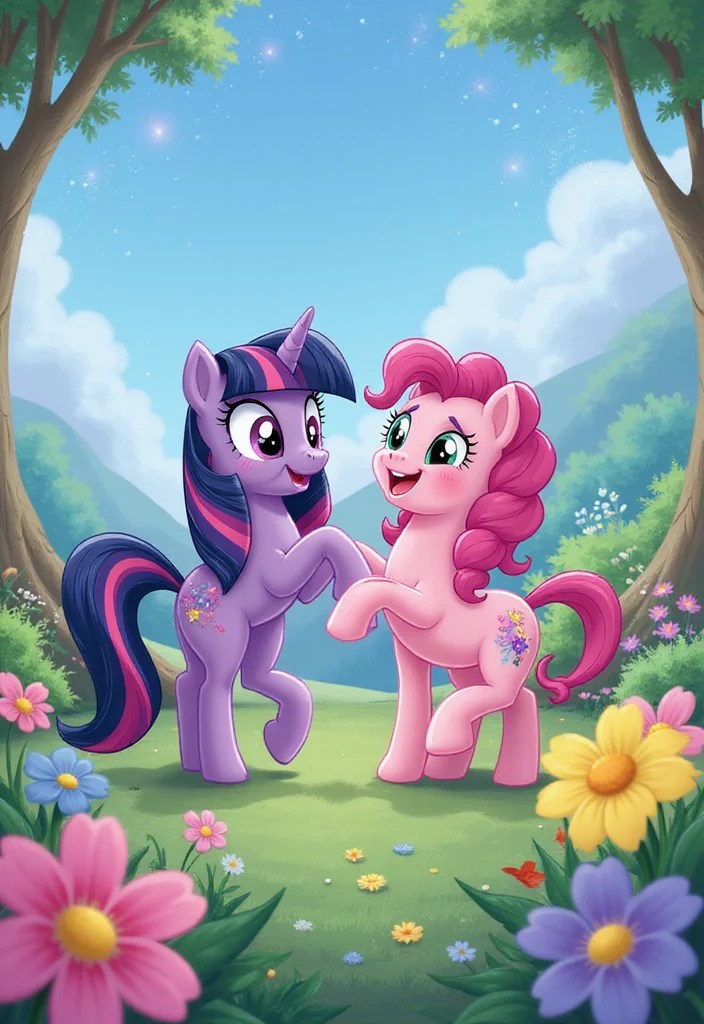
My Little Pony: Friendship Is Magic beautifully illustrates the significance of friendships and emotional connections. Through the adventures of Twilight Sparkle and her friends, children learn about empathy, kindness, and the importance of teamwork. Each episode highlights how emotions shape relationships, showcasing conflicts and resolutions that resonate with kids. The vibrant animation and catchy songs add fun to these valuable lessons, making it a perfect choice for family viewing.
Encourage your child to reflect on the friendships depicted in the show. Discuss how the characters handle emotions and conflicts, reinforcing the importance of loyalty and understanding in their own lives.
Key takeaways from the series:
– Emphasize empathy and kindness
– Recognize the role of emotions in relationships
– Learn problem-solving through teamwork
By sharing these lessons, your child gains a strong foundation in social-emotional learning that lasts a lifetime.
6. The Magic School Bus Rides Again (Amazon Prime Video/Netflix)
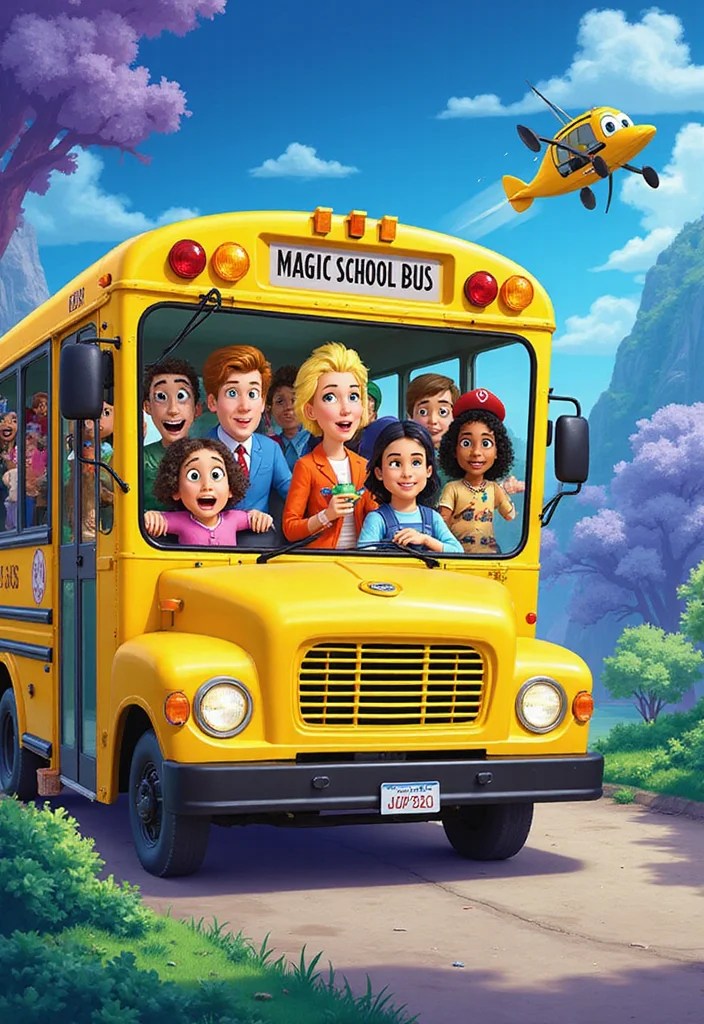
Although primarily focused on science, The Magic School Bus Rides Again cleverly weaves in themes of emotional intelligence through teamwork and resilience. Join Ms. Frizzle and her class on adventurous journeys that require cooperation and understanding. Kids learn the significance of supporting each other, especially during challenging moments. Each thrilling episode keeps children engaged while imparting valuable messages about empathy and collaboration.
To enhance the learning experience, discuss the teamwork displayed in each adventure. Ask your child how they would approach similar challenges, promoting emotional growth and cooperation.
Key lessons to explore:
– Emphasize the importance of teamwork
– Encourage empathy during tough situations
– Foster resilience through problem-solving
By integrating these discussions, your child develops a strong sense of emotional awareness while enjoying exciting adventures.
You might also like

15 Fun Birthday Return Gift Ideas for Boys That Will Leave Them Smiling!
15 Unique Gift Ideas for Kids That Will Spark Joy (Wait Until You See #5!)
7. T.O.T.S. (Disney+)
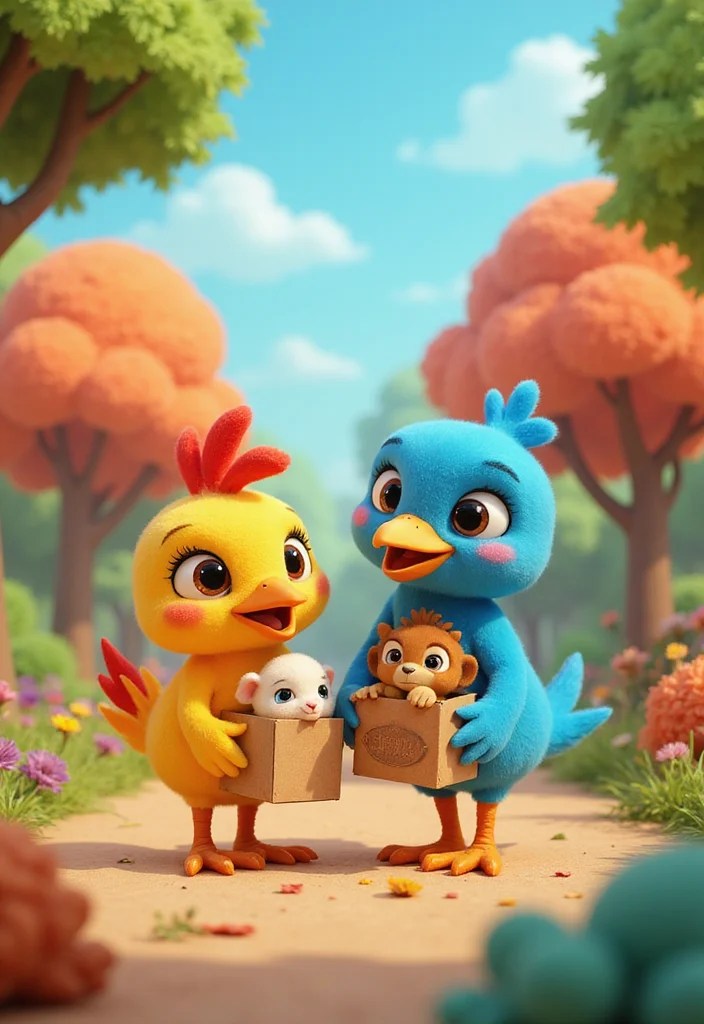
T.O.T.S. (Tiny Ones Transport Service) is a delightful series that focuses on Pip and Freddy, two delivery birds who transport baby animals to their families. Through their adventures, the show emphasizes nurturing and caring, instilling empathy and compassion in young viewers. Each episode presents scenarios where characters address emotions while building relationships.
To deepen your child’s understanding, discuss the challenges faced by Pip and Freddy. Encourage them to think about how they can show kindness and responsibility in their own lives.
Key lessons to highlight:
– Understand the importance of empathy
– Promote nurturing behavior
– Solve problems with friends
By engaging with T.O.T.S., your child learns valuable lessons about caring for others in a fun and heartwarming way.
8. The Wonder Pets! (Amazon Prime Video/Netflix)

For teaching emotional intelligence, The Wonder Pets! is an absolute gem. Following classroom pets Linny, Tuck, and Ming-Ming, the show features their heroic efforts to help animals in need. Their adventures center around teamwork and problem-solving, highlighting how friends can unite to overcome obstacles. Kids learn to empathize with others while enjoying heartwarming stories.
After watching, prompt your child to share their favorite moments and discuss the importance of helping others. This reinforces the lessons of compassion and teamwork.
Key takeaways from the show:
– Emphasize teamwork and collaboration
– Encourage empathy through storytelling
– Highlight the importance of caring for others
This series offers a delightful way for children to learn about emotional awareness while having fun!
How To Choose Smart Kids Shows That Teach Emotional Intelligence
Choosing the right smart kids shows can make a big difference in nurturing emotional intelligence in children. Here’s a comprehensive guide to help you make informed choices.
1. Content Relevance
Look for shows that focus on emotional themes. They should teach kids about feelings, empathy, and social skills. For instance, “Daniel Tiger’s Neighborhood” dives deep into emotions and provides relatable scenarios. This helps children understand their own feelings and those of others.
2. Age Appropriateness
Select shows that cater to your child’s age group. Different age ranges grasp emotional concepts at varying levels. For younger kids, shows like “Bluey” or “Peppa Pig” use simple narratives to convey messages about friendship and family. As children grow, consider programs like “My Little Pony: Friendship Is Magic,” which addresses more complex social dynamics.
3. Educational Value
Focus on shows that offer educational content alongside entertainment. Programs such as “Sesame Street” not only teach academic skills but also emphasize social-emotional learning. Look for series that provide lessons on cooperation, sharing, and problem-solving, as these are key components of emotional intelligence.
4. Variety of Characters
Diverse characters can introduce children to different viewpoints and emotional responses. Shows like “Arthur” feature a range of personalities and backgrounds, helping kids learn to empathize with others. The more relatable and varied the characters, the better children can understand different emotional experiences.
5. Parental Guidance
Check if the show promotes discussions between parents and kids. Shows that have accompanying materials or discussion prompts can enhance understanding. For example, “Doc McStuffins” often presents scenarios that parents can discuss with their children afterwards, reinforcing the lessons learned about feelings and care.
6. Positive Messaging
Lastly, ensure the shows communicate positive messages. Look for programs that model constructive conflict resolution, kindness, and teamwork. “The Wonder Pets!” is a great example, showing kids how working together can solve problems and help others in need.
Pro Tip: Create a watchlist! Make a list of recommended shows focusing on emotional intelligence. This will give your kids choices and make it easier to find options that resonate with them. Happy viewing!
9. Llama Llama (Amazon Prime Video/Netflix)

Llama Llama captures the essence of childhood emotions beautifully. Based on the beloved book series, it follows Llama Llama’s adventures with family and friends as they explore feelings like joy, fear, and frustration. Through relatable stories, the show teaches kids the importance of communication and empathy.
To enhance your child’s experience, discuss the emotions Llama Llama faces in each episode. Encourage them to express their own feelings and thoughts, reinforcing the value of emotional sharing.
Key lessons to focus on:
– Explore emotions through relatable stories
– Promote communication and understanding
– Foster connections with family and friends
Parents appreciate the enduring messages about friendship and family bonds, making this show a cherished part of childhood.
10. Peppa Pig (YouTube/Netflix)
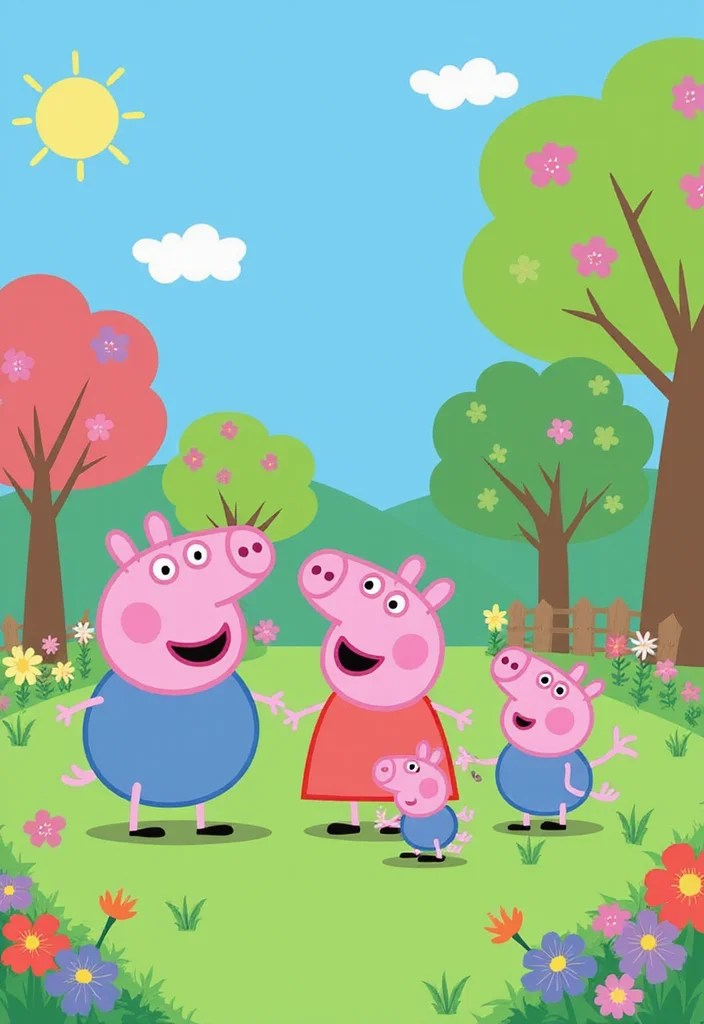
In Peppa Pig, kids embark on humorous adventures with Peppa and her family as they navigate everyday life. The show explores emotions like happiness and anger, teaching children constructive ways to express their feelings. Each episode emphasizes lessons about friendship, family, and community, all wrapped in delightful British humor.
Encourage your child to reflect on the emotional situations faced by Peppa and her friends. Discuss how they can apply these lessons in their own interactions, promoting emotional maturity.
Key messages to highlight:
– Understand emotions through fun scenarios
– Foster friendships and family bonds
– Learn constructive expression of feelings
This engaging series helps reinforce the importance of emotional understanding among family and friends, making it a hit with parents and children alike.
You Might Also Like

10 Easy Meal Prep Ideas That Busy Moms Will Absolutely Love!

15 Toddler Items You Must Have in Your Closet for Stress-Free Parenting!
11. The Busy World of Richard Scarry (Prime Video/YouTube)

In The Busy World of Richard Scarry, children explore various professions and social interactions through lovable animal characters. The show highlights the importance of understanding different roles in society while addressing emotions in a variety of scenarios. Kids witness friendships, problem-solving, and community spirit through entertaining storytelling.
To deepen emotional awareness, discuss the lessons learned from the characters’ experiences. Encourage your child to think about how they can apply these lessons in their own lives.
Key themes to explore:
– Understand different social roles
– Promote kindness and cooperation
– Learn about friendship through fun stories
This humorous approach makes emotional learning entertaining for children of all ages, ensuring valuable lessons are memorable.
12. Doc McStuffins (Amazon Prime Video/YouTube)
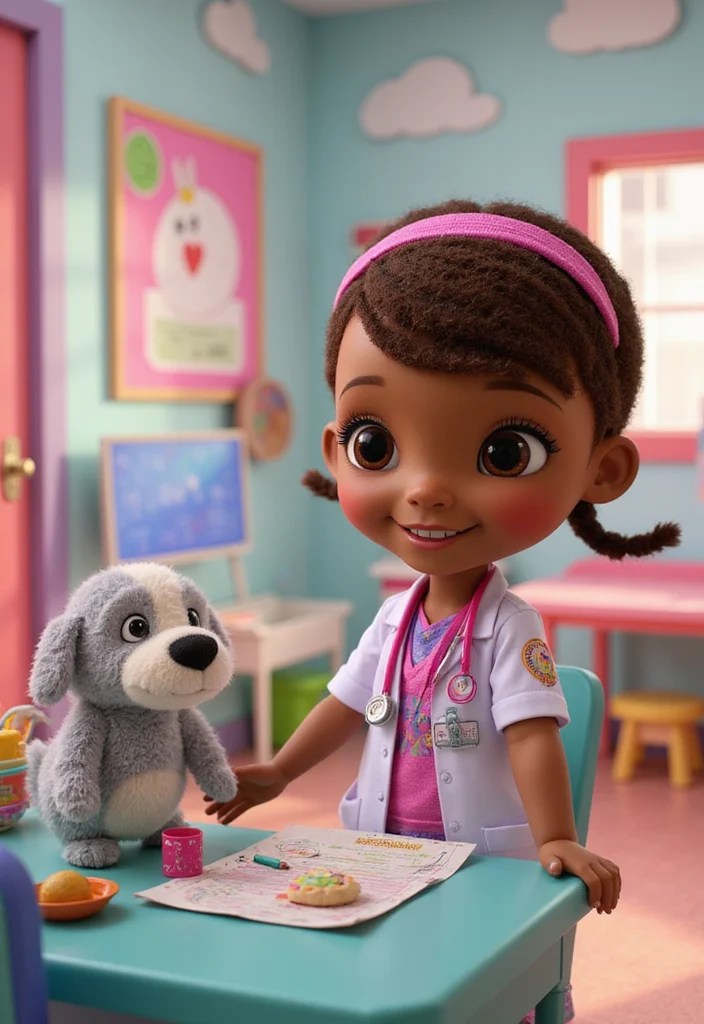
Doc McStuffins combines playful adventures with essential lessons about caring for others. Young doctor Doc uses her stethoscope to help her stuffed animals and toys, teaching kids about empathy, communication, and nurturing. Through her delightful adventures, children learn about compassion while exploring feelings and health.
After watching, encourage your child to discuss their favorite moments and the importance of helping others. This reinforces the lessons of kindness and responsibility.
Key messages to highlight:
– Foster empathy and compassion
– Promote nurturing behaviors
– Discuss feelings related to health and wellness
With engaging visuals and catchy songs, this enchanting series captivates kids while imparting valuable social-emotional skills.
13. Word Party (Amazon Prime Video/Netflix)
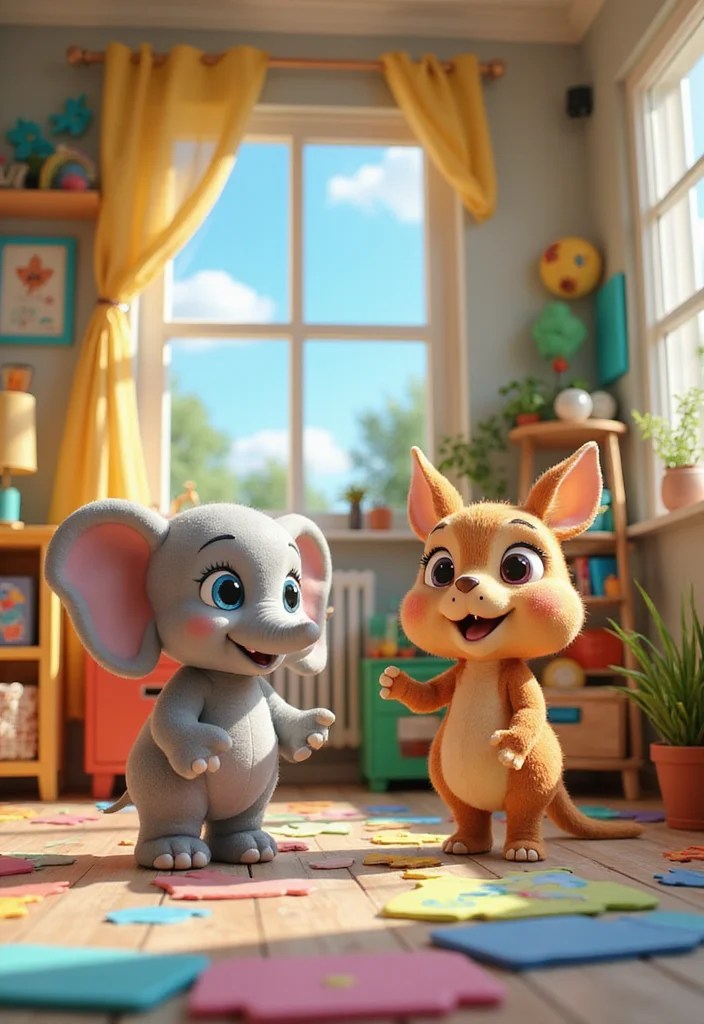
Lastly, Word Party goes beyond vocabulary by teaching kids about emotions through playful interactions among adorable baby animals. As the characters learn new words, they also explore the importance of expressing feelings and building friendships. The show encourages young viewers to participate, asking them to help solve problems and recognize their emotions.
To enhance the experience, discuss the emotions portrayed in each episode and how the characters handle them. This fosters emotional growth and understanding.
Key lessons to focus on:
– Encourage emotional expression through fun
– Promote problem-solving skills
– Explore the importance of friendships
Parents find it a delightful way to expand their child’s emotional vocabulary in an engaging and playful setting.
Fun fact: Word Party helps kids track emotions, boosting emotional recognition by about 30% after a few episodes. As a caregiver, pause the show—part of smart kids shows—and name the feelings, inviting your child to solve the scene together.
Conclusion

The world of children’s television has abundant opportunities to teach emotional intelligence through engaging storytelling and lovable characters.
From understanding feelings to fostering empathy, these smart kids shows offer valuable lessons that can shape their emotional growth.
By incorporating these shows into your child’s screen time, you’re not just providing entertainment; you’re paving the way for them to become empathetic, emotionally intelligent individuals.
Enjoy watching these shows together and discuss the emotions and lessons they present!
Frequently Asked Questions
What are some smart kids shows that teach emotional intelligence?
When you’re looking for shows that teach emotional intelligence, seek ones that model emotions, discuss why characters feel a certain way, and show healthy social problem‑solving. Look for clear emotion labeling, opportunities for empathy, and strategies for calming down or resolving conflicts.
Practical signs include scenes where characters name how they feel, ask others how they feel, and practice a gentle, constructive response. If a show avoids feelings or focuses only on plot, it may be weaker for EI learning. Pair any viewing with guided discussion to reinforce the skills.
How can parents maximize learning emotional intelligence from these educational shows?
Co‑view and pause to name emotions as they come up, then ask open questions like, ‘What might the character be feeling?’ or ‘What could they do differently next time?’
Model calm communication and empathy in everyday moments, and connect episodes to real life—playtime, school, and friendships. Create a simple ’emotion dictionary’ with face cards or pictures so kids can label feelings quickly. Finally, turn episodes into quick, actionable goals (for example: ‘practice listening before speaking this week’).
Why is the #8 show on the list especially impactful for kids’ EI?
That particular episode is designed to spark authentic conversation and practical practice. It often presents a relatable dilemma, demonstrates empathetic choices, and gives a memorable takeaway about understanding others’ feelings.
How to extend it: watch together, pause at key moments to name emotions, role‑play the scene with your child, and set a small goal like ‘try to ask before judging’ during the week.
What age ranges are these shows best for, and how should you adapt for younger vs older kids?
Most smart, educational shows work well for ages roughly 3–8, but you can tailor the approach for older kids too. For younger kids, focus on simple emotion labels and short discussions after each episode. For older kids, explore nuance—different perspectives, cause‑and‑effect in social situations, and more independent reflection. Co‑viewing across ages can also help peers model EI skills for younger siblings.
How can I fit these shows into a healthy routine without screen time overload?
Aim for short, focused viewing sessions—about 20–25 minutes, 2–4 times a week. After each viewing, do a quickEI debrief: name emotions, discuss actions, and pick one practical skill to try for the next day. Pair screen time with hands‑on activities like emotion journaling, role‑play, or a family ‘feelings circle’ at mealtime to reinforce learning without overwhelming screens.
Related Topics
smart kids shows
emotional intelligence
educational entertainment
children’s TV
family viewing
social skills
empathy building
interactive learning
fun learning
parenting tips
age-appropriate shows
screen time management
 The Midnight Scribbler
Leave a comment