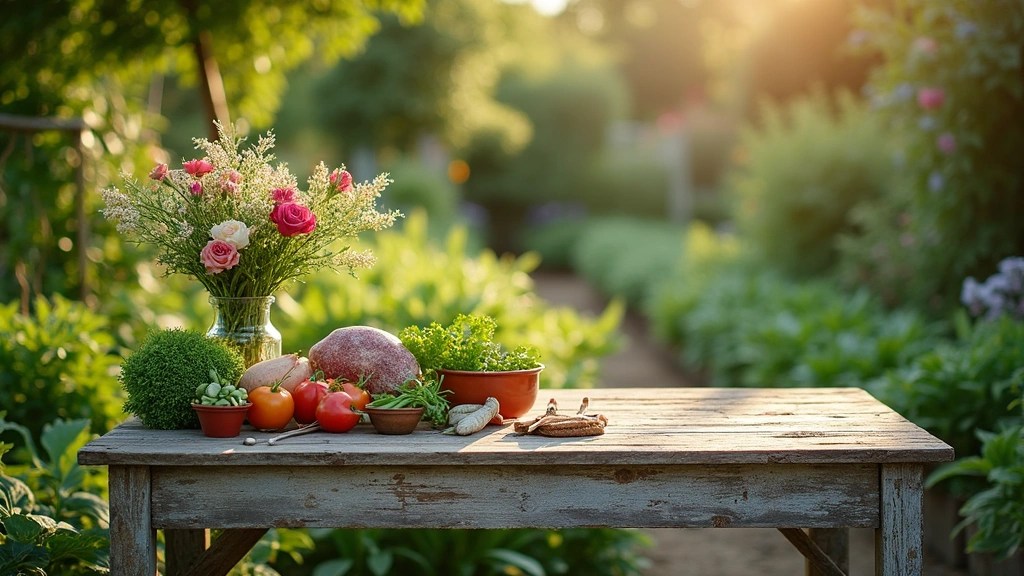
Creating a garden-to-table corner is not just a trend; it’s a lifestyle choice that embodies freshness and sustainability. Imagine stepping into your backyard oasis, where vibrant vegetables and fragrant herbs await your culinary creativity. This little slice of heaven doesn’t just enhance your meals—it transforms them into an experience.
Inspired by Martha Stewart’s approach to gardening and cooking, this guide showcases the best ways to cultivate your garden and create delicious meals with fresh ingredients. By infusing your cooking with the bounty of your own garden, you not only nourish your body but also your soul. Let’s dig into how you can craft your very own garden-to-table corner that would make even Martha proud!
Contents
- 1. Start with the Right Location
- 2. Choose Your Plants Wisely
- 3. Master the Art of Seasonal Cooking
- 4. Embrace Preservation Techniques
- 5. Innovative Garden Layouts
- 6. Host Garden Gatherings
- 7. Incorporate Edible Flowers
- 8. Create a Year-Round Garden
- 9. Sustainable Practices
- 10. Document Your Journey
1. Start with the Right Location
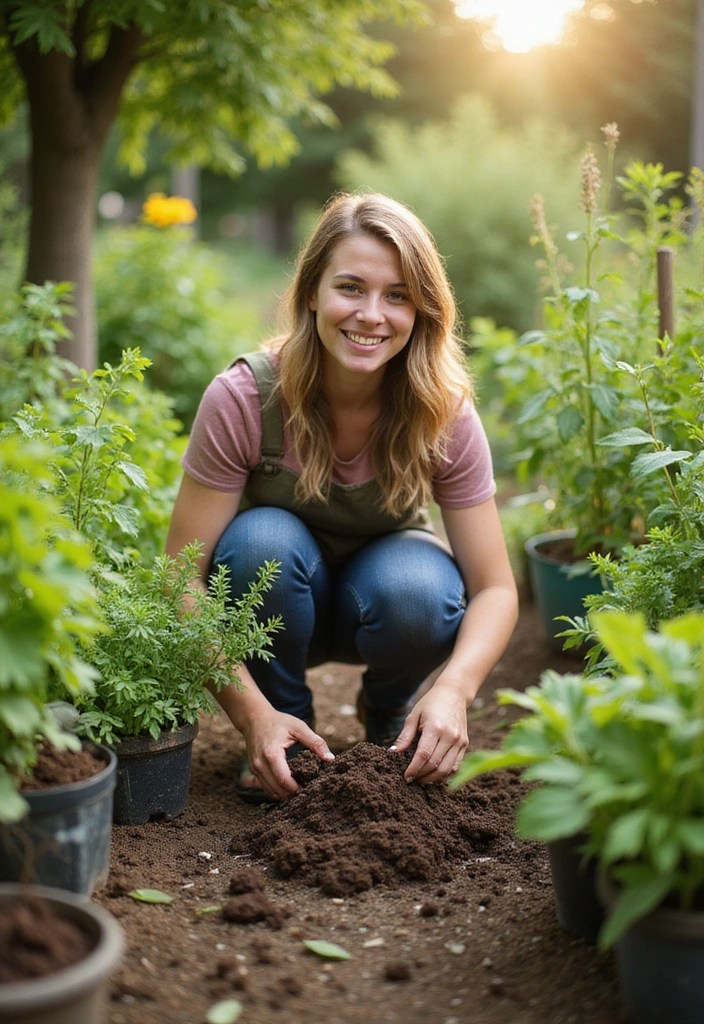
The first step in designing your garden-to-table corner is choosing the perfect spot. Look for an area that receives ample sunlight, ideally 6-8 hours a day. It could be a patch of your backyard, a sunny balcony, or even a bright window sill. The location sets the stage for what you’ll grow, and some plants thrive in more sun than others.
– Assess the Soil: Check the soil quality before planting. Rich, well-drained soil will yield the best results. You might want to consider testing the pH level with a soil pH test kit to ensure optimal conditions for your plants. This kit allows you to simultaneously check moisture and pH levels, helping you enrich your soil effectively.
– Consider Accessibility: Think about how easy it’ll be to tend to your plants. The closer they are to your kitchen, the more likely you are to use them in your meals!
– Protection from Wind: Ensure your plants are shielded from strong winds, which can damage delicate seedlings. If your area is windy, consider using windbreak netting to create a barrier. This netting can help protect your crops while allowing sunlight to filter through.
Finding the right spot makes all the difference in your gardening journey. It’s a bit like setting the right mood for a dinner party; when the atmosphere is just right, everything else falls into place. Don’t forget to consider composting as part of your garden-to-table experience! A compost bin can be a great addition to your kitchen, allowing you to enrich your garden soil while minimizing waste.
Choosing the right location is the secret ingredient to your garden-to-table success—sunny spots yield delicious garden recipes that will elevate every meal!
2. Choose Your Plants Wisely
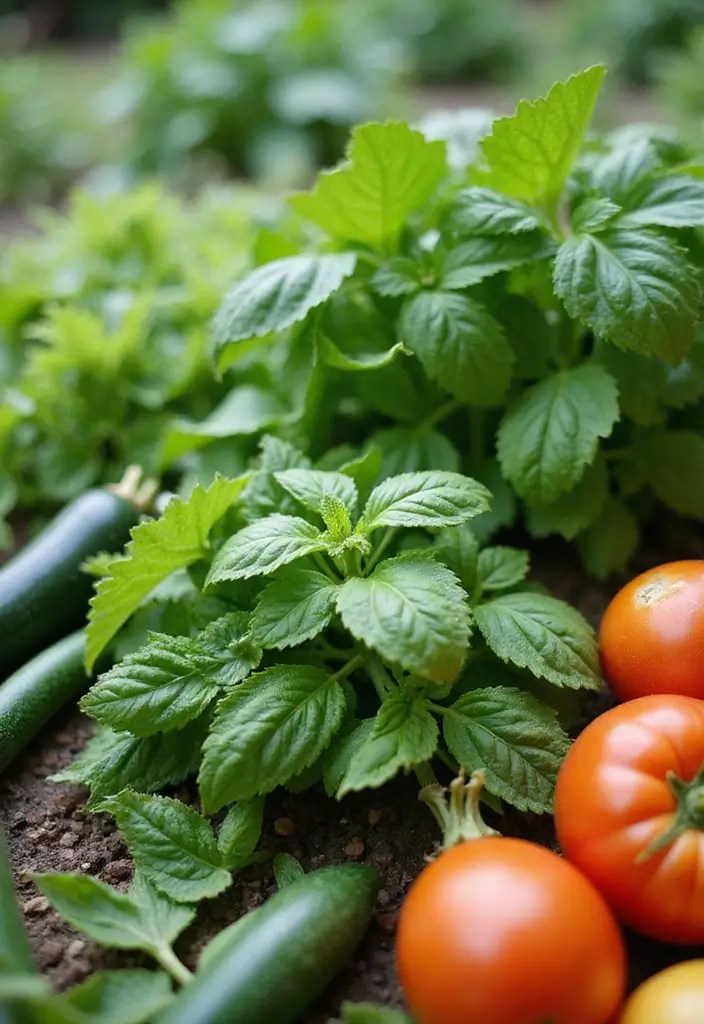
Selecting the right plants can make or break your garden-to-table experience. Opt for herbs like basil, mint, and parsley, which are versatile for cooking and easy to grow. A great way to kickstart your herb collection is with an herb garden starter kit. This indoor herb garden starter kit includes 10 varieties, perfect for your kitchen windowsill, allowing you to enjoy fresh herbs year-round.
For vegetables, consider tomatoes, peppers, or zucchini—they are not only delicious but also productive. If you’re looking to expand your gardening possibilities, a raised garden bed planter could be a great investment. This galvanized raised garden bed kit offers ample space for growing vegetables and makes it easy to organize your garden while providing excellent drainage and soil conditions.
When it comes to planning your garden, remember to consider seasonal choices. Cool-weather crops like kale and spinach can be planted in spring or fall, while summer is perfect for cucumbers and squash. Experiment with companion planting; some plants thrive when grown together. For instance, tomatoes love basil, and they make a beautiful pairing both in the garden and on your plate. To help you navigate these combinations, a companion planting guide book can provide insights into which plants work best together, maximizing your harvest and enhancing the flavors of your dishes.
With the right tools and knowledge, your garden-to-table experience will flourish!
3. Master the Art of Seasonal Cooking
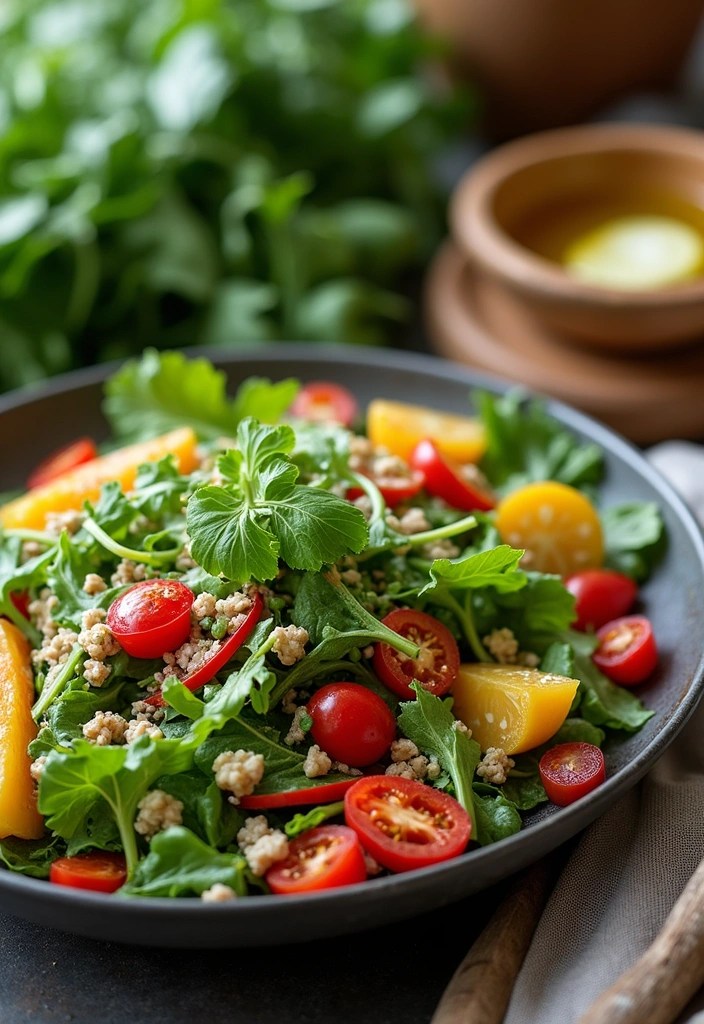
Cooking with seasonal ingredients is at the heart of the garden-to-table philosophy. When you harvest your produce at its peak, you experience flavors that are fresh and invigorating. Seasonal cooking allows you to create a menu that evolves with the changing seasons, making every meal special.
To help you make the most of your seasonal cooking journey, consider starting your own indoor herb garden with the Herb Garden Starter Kit. This kit offers ten varieties of herbs that can enhance your dishes, ensuring that you have fresh flavors right at your fingertips throughout the year.
– Spring: Focus on greens like arugula and spinach, which can be tossed in salads or sautéed.
– Summer: Use ripe tomatoes and cucumbers for refreshing salads or gazpacho.
– Fall: Embrace squash and root vegetables for hearty soups and casseroles.
– Winter: Utilize hardy greens and preserved herbs for warming dishes.
Not only does seasonal cooking reduce your carbon footprint by sourcing ingredients locally, but it also supports your local farmers and economy. To further elevate your cooking, consider exploring Six Seasons: a New Way with Vegetables, a seasonal vegetable cookbook that will inspire you with creative recipes tailored for each season.
Find joy in creating meals that celebrate the bounty of each season, bringing new tastes and textures to your table.
Harvest the season’s best, and let your garden recipes tell the story of each meal. Cooking with fresh, seasonal ingredients brings joy and flavor to your table, making every bite a delightful celebration!
4. Embrace Preservation Techniques
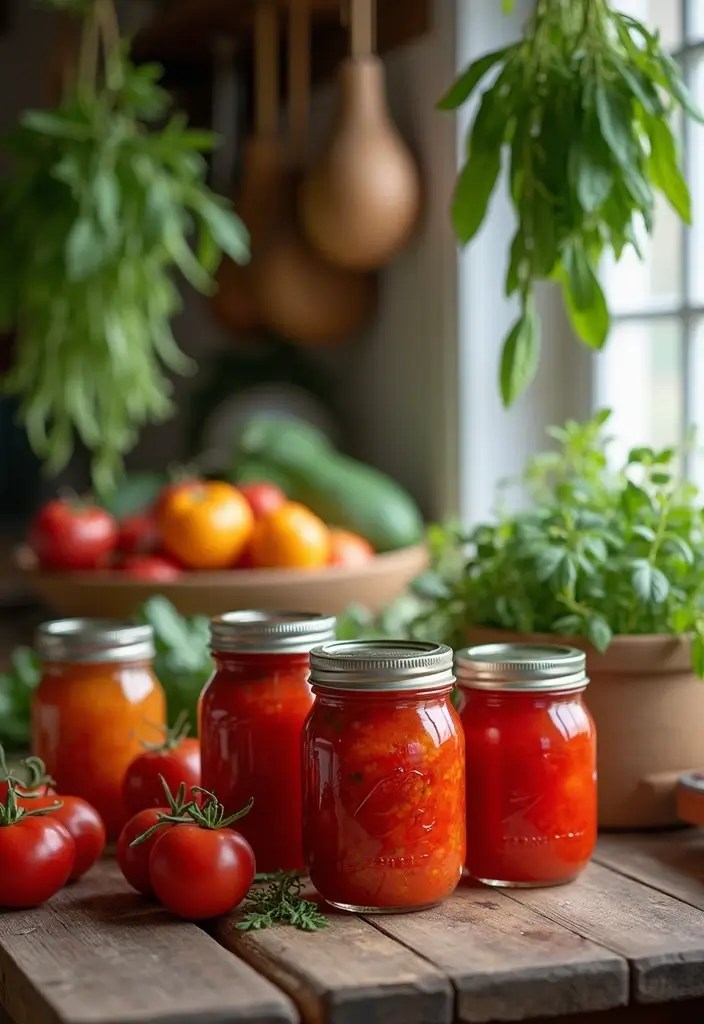
When the harvest is plentiful, it’s beneficial to know a few preservation techniques. Canning, freezing, and drying are excellent ways to extend the life of your garden produce, ensuring you can enjoy them long after the growing season ends.
– Canning: Tomatoes can be canned for sauces, while fruits can be preserved as jams. Using a canning kit helps you safely preserve your food while capturing the essence of summer in a jar. This complete kit includes everything you need to get started, making it perfect for beginners.
– Freezing: Blanched vegetables can retain their flavor and nutrients when frozen. A food vacuum sealer is a fantastic investment for this method, as it removes air from the bags, preventing freezer burn and ensuring that your produce stays fresh and ready for quick weeknight meals.
– Drying: Herbs can be dried for use year-round. A herb drying rack is an ideal tool for this process. Hang it in a cool, dark place, and you’ll have flavorful additions to your dishes all year long.
By embracing these techniques and utilizing the right tools, you’ll ensure that the hard work you put into your garden continues to pay off throughout the year. Plus, you’ll impress your friends with homemade preserves and sauces that showcase the flavors of your garden.
5. Innovative Garden Layouts
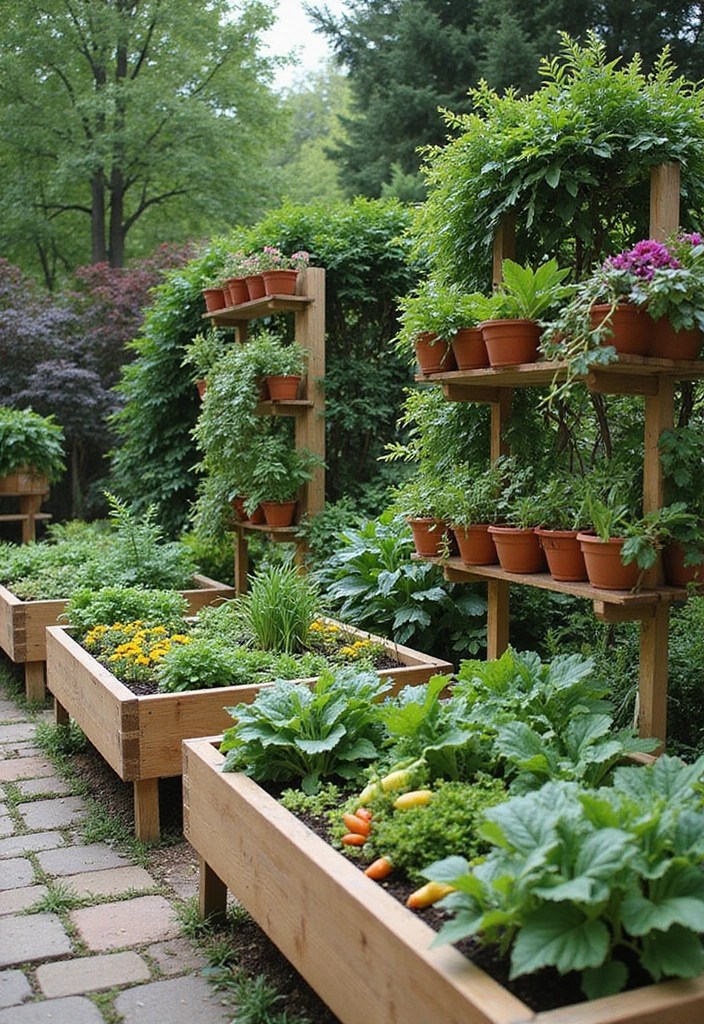
Explore creative ways to layout your garden that can boost aesthetics and functionality! Raised beds, vertical gardens, and container gardening are all methods that can fit any space or style preference.
– Raised Beds: Consider the Raised Garden Bed Kit, which is great for controlling soil quality and drainage. This galvanized planter makes it easier on your back when tending to your plants, allowing you to enjoy your gardening experience without strain.
– Vertical Gardens: For small spaces, check out the Vertical Garden Planter from Mr. Stacky. This stackable, five-tier planter allows you to maximize your growing area by using walls or trellises for climbing plants, making it easy to grow herbs, flowers, or even strawberries in a compact footprint.
– Container Gardening: If you have a patio or balcony, decorative pots can enhance your gardening space. The decorative plant containers from Gepege are perfect for this purpose. With a stylish design and drainage holes, these pots are ideal for showcasing your plants and can be moved to catch the sun. Mix and match colorful pots for a visually appealing arrangement.
The layout of your garden not only impacts its productivity but also enhances the overall vibe of your garden-to-table corner. Create a space that feels right to you, whether it’s a classic or modern style; make it yours with personal touches.
Transform your garden into a culinary oasis! Whether it’s raised beds, vertical gardens, or containers, every inch counts towards delicious garden recipes. Let your creativity grow!
You might also like

7 Kitchen Herbs You Can Snip and Stir Into Any Dish (No Green Thumb Needed!)
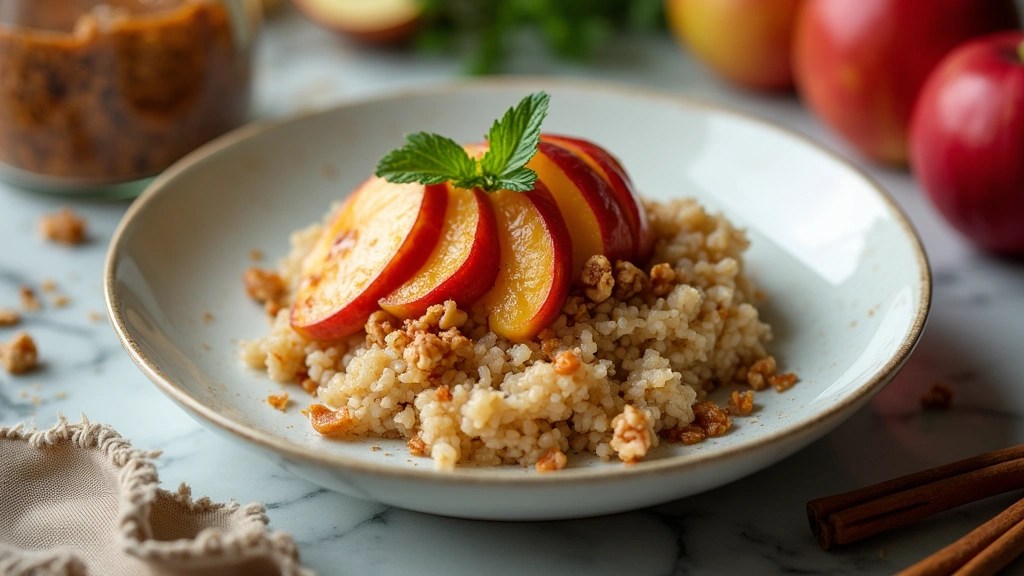
Cinnamon Infused Caramelized Apple & Walnut Overnight Oats: A Nutritious Start to Your Day
6. Host Garden Gatherings

What better way to celebrate your garden’s bounty than with friends and family? Hosting gatherings allows you to share the fruits of your labor while creating cherished memories.
– Potluck Style: Invite friends to bring their favorite dish made with garden ingredients. It turns into a delicious feast and a chance for recipe exchange! To serve your culinary creations, consider using the outdoor serving tray. These reusable plastic trays are perfect for showcasing snacks, fruits, and more, making your presentation effortless and stylish.
– Cooking Classes: Share your knowledge by organizing cooking classes, teaching others how to prepare meals with fresh ingredients. Enhance the experience with helpful resources like the garden recipe book. This cookbook is filled with creative garden-to-table recipes that will inspire your guests to cook with the fresh bounty from their own gardens.
– Themed Dinners: Create a seasonal dinner menu that highlights what’s currently growing in your garden. To elevate your outdoor cooking experience, a portable grill is a great addition for those al fresco meals. Its compact design makes it perfect for backyard gatherings or even camping trips, allowing you to grill up fresh produce and meats with ease.
These events not only enhance your social life but also foster a sense of community and appreciation for local produce. Plus, it’s a joy to see others enjoy the flavors you’ve nurtured from seed to plate.
Gather around the table! Sharing your garden recipes with friends creates not just meals, but lasting memories. Let the flavors of your harvest inspire joy and connection!
7. Incorporate Edible Flowers
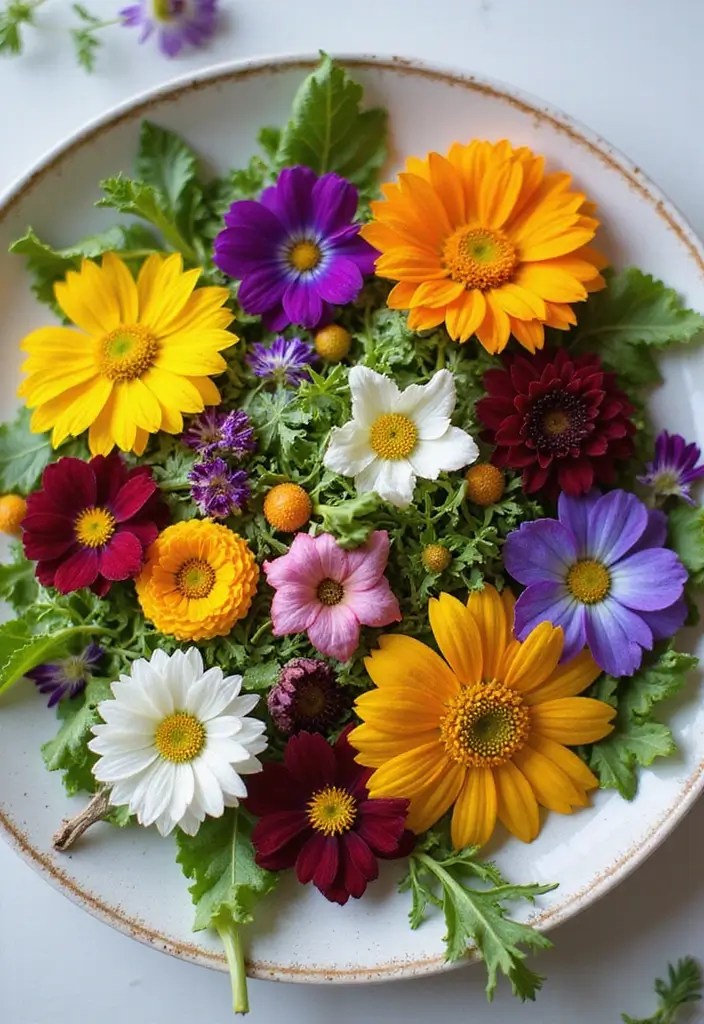
Add a splash of color and flavor to your garden-to-table meals by growing edible flowers! Nasturtiums, pansies, and marigolds not only brighten up your plate but also offer unique flavors.
– Nasturtiums: Both the leaves and flowers are edible. They have a peppery flavor that makes a great addition to salads. You can kickstart your flower garden with the Edible Flower Seed Collection, which includes nasturtiums along with other delightful varieties like pansies and borage.
– Pansies: With their sweet flavor, pansies can be used to garnish desserts or salads, adding a lovely aesthetic. To ensure your flowers thrive, consider using an organic fertilizer like the Organic Fertilizer for Edible Plants. This will help your edible flowers flourish while keeping them chemical-free.
– Marigolds: These vibrant blooms can be used in dishes for a hint of citrus flavor. Be sure to avoid using pesticides if you plan to eat your flowers, and always double-check that the varieties you choose are safe for consumption. Edible flowers elevate your meals and provide a conversation starter, making your dining experience even more delightful.
8. Create a Year-Round Garden
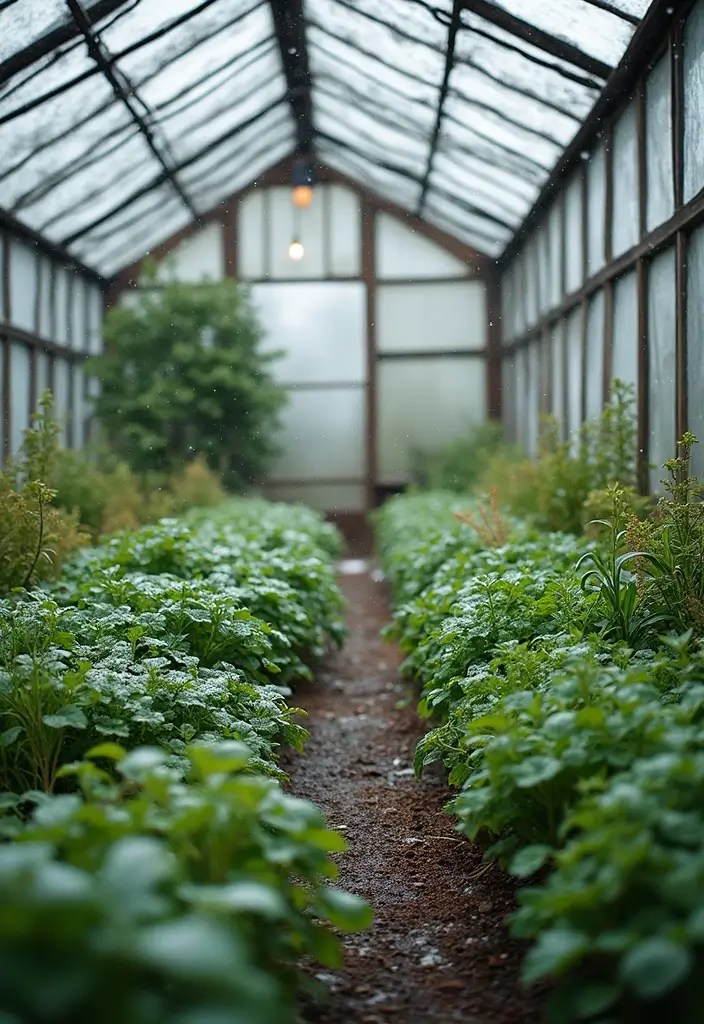
Don’t let the changing seasons stop your garden-to-table journey! With some planning, you can create a garden that provides fresh ingredients year-round.
– Season Extension Techniques: Use row covers like the 10 * 50FT plant covers for freeze protection. This thick floating row cover fabric helps shield your plants from winter frost, allowing them to thrive even in cold weather.
– Planting Schedule: Plan your planting schedule to include fall crops that can survive frost, such as Brussels sprouts or carrots.
– Indoor Gardening: Consider growing herbs or small vegetables indoors during the colder months. A GooingTop LED grow light can provide the necessary light for these plants, ensuring they receive full spectrum illumination and promoting healthy growth.
Another great option for protecting your outdoor plants is a Firwood garden greenhouse, which serves as a portable cold frame. This greenhouse features a hinged lid for easy access and can help extend your growing season while adding a charming touch to your garden.
By ensuring your garden adapts to the seasons with these helpful products, you can maintain a steady supply of fresh ingredients regardless of the weather outside. This commitment to growing year-round keeps your culinary creativity alive and thriving.
You Might Also Like
10 Easy Seasonal Healthy Recipes That Celebrate Fresh Ingredients (Don’t Miss #2!)
10 Easy Meal Prep Ideas That Busy Moms Will Absolutely Love!
9. Sustainable Practices
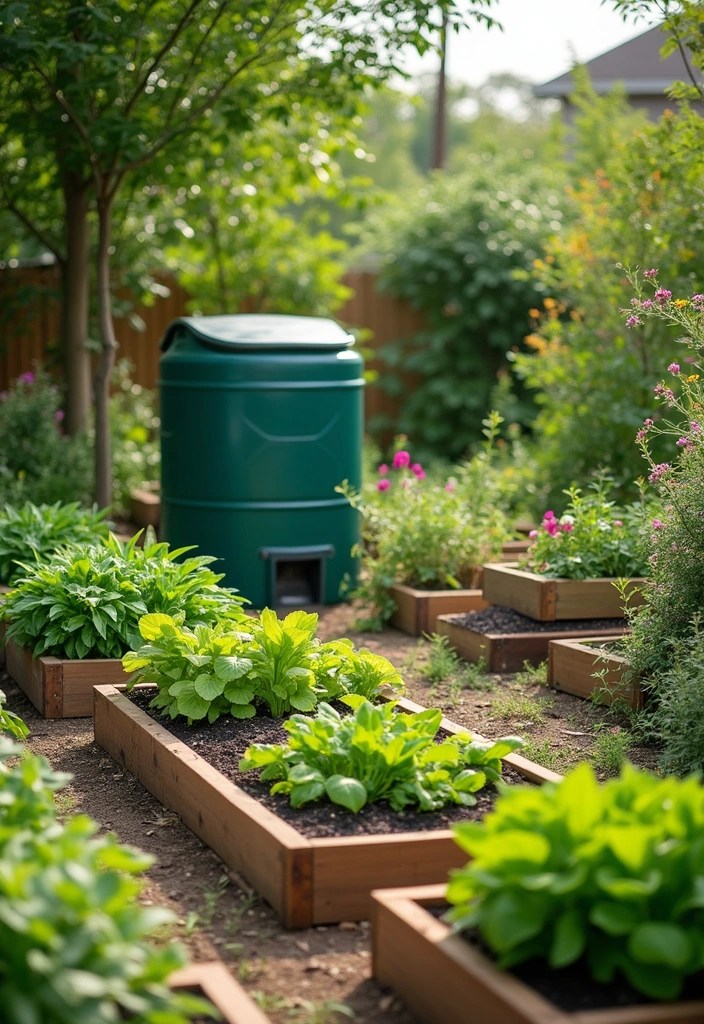
Engaging in sustainable gardening practices is key to maintaining a healthy ecosystem while growing your garden.
– Companion Planting: Utilize plants that benefit each other. For example, planting marigolds can deter pests from your vegetables. To help you navigate the best combinations, consider the Clyde’s Garden Planner – Vegetable Planting Slide Chart. This handy guide will assist you in planning your companion plants effectively.
– Composting: Turn kitchen scraps and yard waste into nutrient-rich compost that enhances your soil. A great tool for this is the Utopia Kitchen Compost Bin. This countertop compost bucket makes it easy to collect organic waste and includes a spare charcoal filter to keep odors at bay.
– Water Conservation: Implementing drip irrigation systems or rain barrels can conserve water and minimize waste. To get started with drip irrigation, check out the Rain Bird Drip Irrigation Repair and Expansion Kit. This kit allows you to set up a water-efficient system, ensuring your plants receive the moisture they need without unnecessary waste.
These sustainable practices not only benefit your garden but also contribute to the environment. Gardening with a focus on sustainability makes your garden healthy and helps cultivate a sense of responsibility and care for the planet.
10. Document Your Journey

Keep track of your gardening adventures by documenting your progress! Journals, blogs, or even social media posts can become a delightful way to reflect on your journey.
One great option is the Clever Fox Gardener’s Journal, which is perfect for noting down planting dates, growth progress, and recipes you’ve tried. This guided gardening notebook can serve as a valuable resource for future planting seasons, ensuring you never forget the valuable lessons learned along the way.
Don’t forget to capture the beauty of your garden through photos! A digital camera, like the Upgrade Digital Camera, is ideal for documenting changes over time. With its 56MP FHD quality and 16x zoom, you can easily showcase the stunning growth and detail of your hard work.
Additionally, consider using a scrapbook or photo album to keep all your memories in one place. The Bstorify Scrapbook Album provides a beautiful way to organize your photographs and keepsakes, making it easy to look back and appreciate your gardening journey.
Sharing your successes with others can inspire them to start their own garden-to-table adventures! This documentation not only keeps you motivated but also creates a personal history that you can reference and share, celebrating the joys of growing your own food.
Conclusion
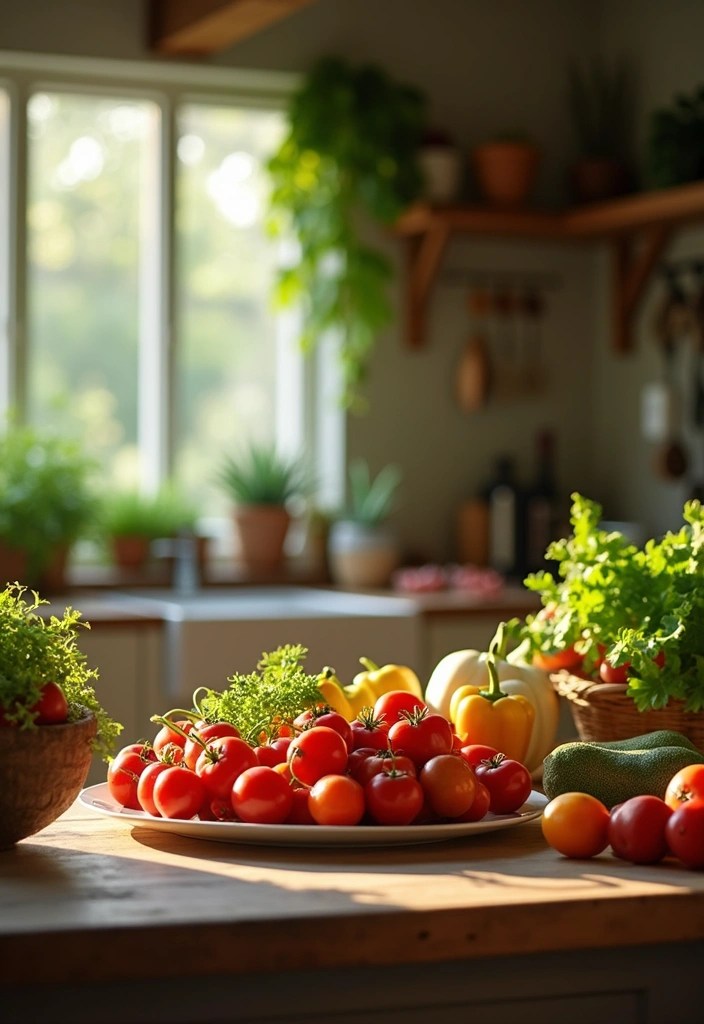
Your garden-to-table corner is not just a space; it’s a lifestyle that emphasizes freshness, community, and sustainability. As you cultivate your garden and explore the joy of cooking with your own produce, you open up a world of flavor and creativity. Embrace these practices inspired by Martha Stewart, and watch as your meals transform from ordinary to extraordinary. Happy gardening and cooking!
Note: We aim to provide accurate product links, but some may occasionally expire or become unavailable. If this happens, please search directly on Amazon for the product or a suitable alternative.
This post contains Amazon affiliate links, meaning I may earn a small commission if you purchase through my links, at no extra cost to you.
Frequently Asked Questions
How Do I Choose the Best Location for My Garden-to-Table Corner?
Selecting the right spot for your garden-to-table corner is crucial! Look for an area that gets plenty of sunlight—ideally, 6-8 hours a day. It could be a section of your backyard, a sunny patio, or even a balcony! A well-placed garden not only thrives but also becomes a beautiful part of your outdoor space.
What Are Some Ideal Plants for a Garden-to-Table Experience?
When planning your garden-to-table corner, consider herbs like basil, mint, and parsley for their versatility in cooking. You can also include vibrant vegetables like tomatoes, peppers, and greens that are easy to grow and delicious in your garden recipes. The more fresh ingredients you grow, the more delicious meals you can create!
How Can I Preserve My Garden Produce for Later Use?
Preserving your garden bounty is a fantastic way to enjoy your harvest year-round! Canning, freezing, and drying are excellent techniques to extend the life of your fresh ingredients. For instance, you can can your tomatoes into sauce or freeze herbs in olive oil for easy, flavorful additions to your dishes later.
What Are Some Creative Ways to Layout My Garden for Aesthetic and Functionality?
Get ready to unleash your creativity! Innovative layouts like raised beds, vertical gardens, and container gardening can enhance both the look and productivity of your garden-to-table corner. These methods maximize space and can fit any style, making your gardening experience not just functional, but also visually appealing!
How Can I Incorporate Seasonal Cooking into My Garden-to-Table Lifestyle?
Seasonal cooking is at the heart of the garden-to-table philosophy! By using fresh ingredients harvested at their peak, you can create vibrant, flavorful meals. Consider starting a meal plan based on the vegetables and herbs you’re currently growing, allowing you to celebrate each season’s offerings in your recipes!
Related Topics
garden recipes
Martha Stewart inspiration
fresh ingredients
seasonal cooking
sustainable gardening
edible flowers
container gardening
year-round garden
garden gatherings
easy gardening
preservation techniques
creative layouts
 The Midnight Scribbler
Leave a comment