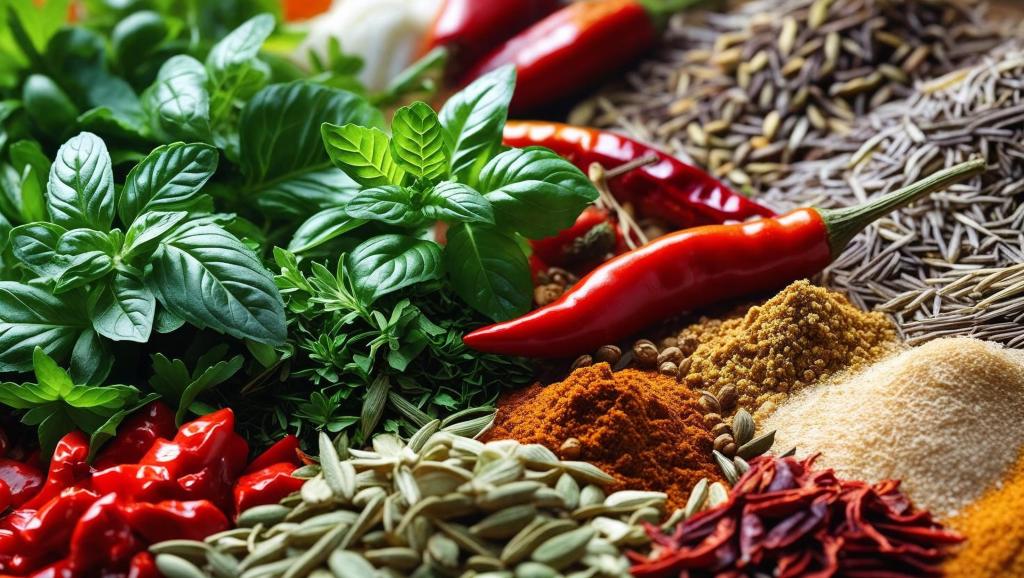
International foods and spices create a vibrant tapestry of flavors that connects you to diverse cultures. Imagine the fresh herbs of Mediterranean cuisine or the bold spices of Latin America awakening your taste buds. Each dish tells a story, inviting you to explore unique culinary traditions. From the fragrant spices of India to the subtle nuances of Asian ingredients, every bite offers a chance for adventure. Discover even more about these culinary delights that can expand your palate.
Key Takeaways
- International cuisines utilize diverse spices, such as garam masala in Indian dishes and cumin in Latin American flavors, enhancing culinary experiences.
- Mediterranean cuisine emphasizes fresh ingredients and aromatic herbs like basil and oregano, creating vibrant and healthy dishes.
- Asian cooking techniques, including fermentation, deepen flavors and enhance the texture of seasonal ingredients, showcasing the subtlety of flavors.
- Fusion cuisine combines elements from various culinary traditions, resulting in innovative dishes like Thai curry pasta and Korean BBQ tacos.
- Shared meals featuring bold spices foster community and cultural connections, emphasizing the emotional bonds formed through food experiences.
The Essence of Mediterranean Cuisine
When you immerse yourself in Mediterranean cuisine, you’ll discover a vibrant tapestry of flavors, colors, and textures that reflect the region’s rich history and diverse cultures.
The essence of this cuisine lies in its fresh ingredients, particularly aromatic Mediterranean herbs like basil, oregano, and thyme. These herbs infuse your dishes with a burst of flavor, elevating even the simplest meals.
You’ll also find Mediterranean oils, such as olive oil, which not only adds depth but promotes health and wellness. Drizzling it over salads or using it for sautéing enhances the overall experience.
As you savor each bite, you’ll feel connected to the land, its people, and their culinary traditions, creating a sense of belonging that transcends borders.
Exploring the Richness of Indian Spices

As you immerse yourself in the world of Indian cuisine, you’ll quickly realize that the richness of its spices is unparalleled, transforming ordinary dishes into extraordinary experiences.
From the fragrant allure of cardamom to the earthy warmth of cumin, each spice plays a crucial role in creating vibrant flavors.
You’ll discover a fascinating array of curry varieties, each boasting its own unique blend of spices that tell a story of regional traditions and cultural heritage.
Spice blends like garam masala and curry powder elevate your cooking, inviting you to explore and experiment.
Whether you’re savoring a creamy butter chicken or a zesty paneer tikka, these spices connect you to a culinary adventure that invites everyone to join in the celebration of flavor.
The Bold Flavors of Latin American Dishes
Latin American cuisine bursts with vibrant flavors that can awaken your taste buds like no other.
With essential spices like cumin, paprika, and cilantro, you’ll discover how these ingredients transform iconic dishes such as ceviche and mole into unforgettable culinary experiences.
Get ready to explore a world where every bite tells a story of culture and tradition!
Essential Latin Spices
The vibrant tapestry of Latin American cuisine bursts with bold flavors, thanks in large part to a variety of essential spices that define its character.
When you explore Latin seasonings, you’ll discover how they create complex flavor profiles that dance on your palate. Cumin adds warmth, while cilantro brings a fresh brightness.
Don’t forget about smoky paprika and zesty lime juice, which elevate dishes to new heights. These spices not only enhance taste but also foster a sense of community, as shared meals often revolve around them.
Whether you’re cooking a family recipe or trying something new, embracing these essential spices lets you connect with the rich heritage of Latin culture, making your culinary journey even more fulfilling.
Iconic Dishes to Try
Exploring the bold flavors of Latin American cuisine opens up a world of iconic dishes that reflect the region’s vibrant culture and culinary traditions. You’ll find that each dish tells a story, showcasing signature recipes that have been passed down through generations. Here are a few to try:
| Dish | Cultural Significance |
|---|---|
| Tacos | A staple that varies by region, symbolizing community and sharing. |
| Feijoada | A black bean stew, representing unity and celebration in Brazilian culture. |
| Ceviche | A revitalizing dish, highlighting the coastal flavors of Peru’s rich fishing heritage. |
These dishes invite you to experience the warmth of Latin American hospitality and flavor. They’re more than meals—they’re a way to connect with the heart of the culture.
The Subtle Nuances of Asian Ingredients

While you might think of Asian cuisine as a harmonious blend of flavors, the truth lies in the subtle nuances of its ingredients that elevate dishes to new heights. Each component, from soy sauce to fresh herbs, plays an essential role in achieving an umami balance that’s both satisfying and complex.
Understanding ingredient origins enriches your appreciation of various flavor profiles, showcasing regional variations and culinary traditions. Mastering unique cooking techniques and ingredient pairings will enhance texture contrasts and highlight seasonal produce.
Additionally, preservation methods like fermentation deepen flavors, adding layers to your meals. Embracing these subtleties allows you to create authentic, vibrant dishes that connect you to the rich tapestry of Asian cuisine, inviting you into a world of shared culinary experiences.
Traditional African Foods and Their Stories

When you explore traditional African foods, you uncover rich stories woven into the fabric of diverse cultures and identities.
Each dish reflects the unique regional ingredients and flavors that define the continent’s culinary heritage. From savory stews to fragrant grains, these foods are a celebration of community and history that invites you to taste the past.
Culinary Heritage and Identity
As you explore the rich tapestry of traditional African foods, you’ll discover that each dish carries a story, weaving together threads of culture, history, and identity.
These culinary traditions reflect the diverse cultural identity of Africa, showcasing flavors and techniques passed down through generations.
Imagine sharing a warm plate of jollof rice, its vibrant colors sparking conversations about family gatherings and celebrations.
Each ingredient holds significance, often tied to regional customs and local rituals.
By savoring these dishes, you’re not just enjoying a meal; you’re participating in a living history that connects you to communities far and wide.
Embracing these flavors fosters a sense of belonging, allowing you to appreciate the rich heritage that forms the heart of African cuisine.
Regional Ingredients and Flavors
Exploring traditional African foods reveals a vibrant landscape of regional ingredients and flavors that tell unique stories. Each region boasts its own flavor profiles, shaped by climate and culture.
In West Africa, for instance, you’ll savor the warmth of nutmeg and the heat of pepper in stews that bring families together.
East Africa introduces you to the richness of spices like cardamom and ginger, creating unique ingredient combinations in dishes like pilau.
Meanwhile, in Southern Africa, you’ll find savory braais infused with herbs and sweet chutneys, highlighting the land’s bounty.
These culinary traditions not only nourish but also connect you to the heart of African communities, inviting you to share in their rich heritage and vibrant flavors.
The Influence of Middle Eastern Spices
While the vibrant flavors of Middle Eastern cuisine captivate your senses, it’s the spices that truly define its character. These spices, with origins dating back centuries, offer distinct flavor profiles that enrich culinary traditions.
You’ll find spice blends like za’atar and baharat, each with unique regional varieties that reflect local tastes. The aromatic compounds in these spices not only enhance dishes but also contribute health benefits, promoting digestion and reducing inflammation.
Traditional cooking techniques, passed down through generations, reveal the cultural significance of spices in Middle Eastern life. As you explore this rich tapestry of flavors, you’ll discover how historical trade routes spread these treasures, connecting diverse cultures and creating a sense of belonging through shared meals and experiences.
The Comfort of European Classics
When you think of comfort food, European classics often come to mind, transporting you to cozy kitchens filled with the rich aromas of simmering stews and freshly baked bread.
Imagine sinking your teeth into a hearty beef bourguignon, where tender meat melds with earthy mushrooms and fragrant herbs. Or savoring creamy risotto, each spoonful a warm embrace of nostalgic flavors that remind you of family gatherings.
Maybe you crave a slice of buttery apple pie, its sweet, spiced filling evoking cherished memories of shared laughter.
These dishes not only fill your belly but also nourish your soul, creating a sense of belonging and warmth.
European classics invite you to gather around the table, where every bite tells a story of tradition and love.
Fusion Cuisine: Blending Cultures Through Food
Fusion cuisine transcends traditional boundaries, inviting you to commence on a culinary adventure where diverse flavors and techniques harmoniously intertwine.
It’s all about cultural exchange, blending the best of various culinary traditions to create something uniquely delicious. Imagine savoring a spicy Thai curry paired with Italian pasta, or tacos filled with Korean BBQ.
Each dish tells a story, reflecting the rich tapestry of global influences and culinary innovation. As you explore these vibrant combinations, you’ll find a sense of belonging, connecting with others who share your passion for diverse cuisines.
This delightful fusion not only tantalizes your taste buds but also celebrates our shared humanity, reminding us that food can unite cultures in the most delicious ways.
Frequently Asked Questions
How Can I Substitute International Spices With Local Alternatives?
You can experiment with local ingredients to mimic spice flavoring. For instance, if a recipe calls for cumin, try using caraway seeds or a blend of dried herbs. Your creativity will make every dish uniquely yours!
What Are Common Allergens Found in International Foods?
When exploring common allergens, you’ll find ingredients like nuts, dairy, and gluten frequently present. Regional variations can introduce unique allergens, so always check labels and inquire when trying new foods to guarantee your safety and enjoyment.
How Do I Properly Store Spices for Longevity?
To guarantee spice longevity, you’ll want to store them in airtight containers away from light, heat, and moisture. Keep them in a cool, dark place, and you’ll enjoy their vibrant flavors much longer.
Are There Health Benefits Associated With Specific International Cuisines?
Exploring international cuisines, you’ll find health benefits in the Mediterranean diet’s heart-healthy fats and Asian cuisine’s antioxidant-rich ingredients. Embracing these flavors not only nourishes your body but connects you to a vibrant global community.
How Can I Learn to Cook International Dishes at Home?
Learning to cook international dishes at home can feel like starting a culinary adventure! Start exploring cooking techniques, and get creative with ingredient sourcing. You’ll soon bring the world’s flavors right to your kitchen!
Conclusion
As you immerse yourself in the world of international foods and spices, remember that each dish tells a story, rich with culture and tradition. From the sun-kissed Mediterranean to the vibrant streets of Latin America, every bite is a journey waiting to unfold. Don’t be afraid to mix and match flavors—it’s a delicious way to broaden your palate. So go ahead, spice things up, and let your culinary adventures take you around the globe, one savory dish at a time!
 The Midnight Scribbler
Leave a comment