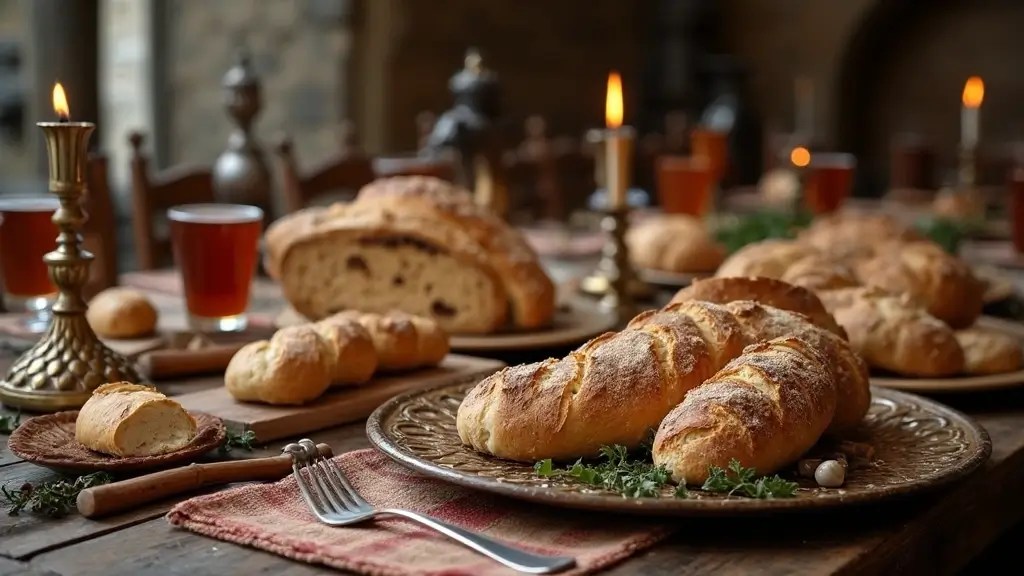
Step into the world of medieval bread baking and royal feast food with these authentic and rustic medieval bread recipes inspired by historical kitchens and ancient banquets. During the Middle Ages, bread was the heart of every meal—from castle feasts to humble village tables.
In this guide, you’ll discover 10 traditional medieval-style bread recipes, including honey ale bread, rye bread, stuffed bread, flatbread, and sweet brioche—perfect for hosting a medieval-themed dinner, fantasy event, or historical party. Each recipe is styled with old-world presentation ideas and rustic props to help you recreate the atmosphere of a true royal feast right at home.
Contents
- 1. The Classic Round Loaf: An Ode to Simplicity
- 2. Honey Ale Bread: A Sweet Twist
- 3. Herb Focaccia: A Medieval Garden Delight
- 4. Spiced Apple Bread: A Taste of Autumn
- 5. Rye Bread: The Heart of Medieval Kitchens
- 6. Garlic Bread: Rustic Indulgence
- 7. Stuffed Bread: A Medieval Surprise
- 8. Sweet Brioche: A Decadent Treat
- 9. Flatbread: The Ancient Staple
- 10. Themed Dinner Setup: Creating the Perfect Atmosphere
1. The Classic Round Loaf: An Ode to Simplicity
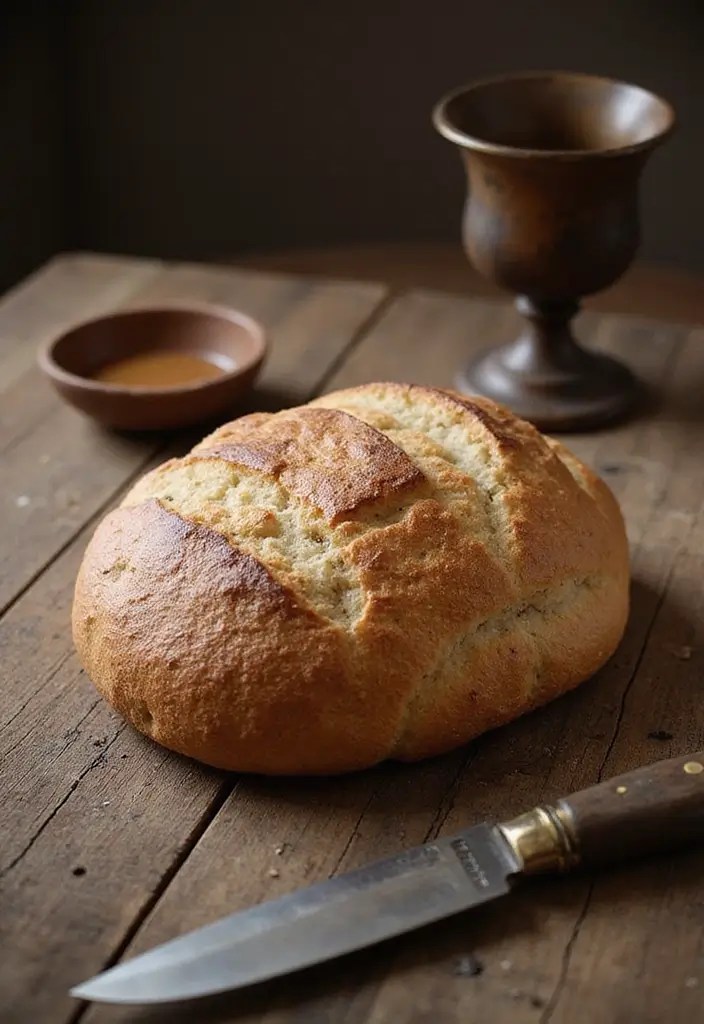
The classic round loaf, or ‘pottage bread’, was a staple in medieval times. Bakers crafted it from simple ingredients, emphasizing the beauty of simplicity. It’s crusty on the outside yet soft and chewy within, perfect for soaking up hearty stews. This loaf is not just bread; it’s a communion with the past. You can use it as a base for various dishes or enjoy it paired with cheese and fruits, creating a rustic feast atmosphere.
To enhance your baking experience, consider using a bread baking stone. This heavy-duty cordierite stone provides consistent heat, ensuring your loaf has the perfect crust while keeping the inside tender.
Additionally, a dough scraper can be a handy tool for mixing and shaping your dough, making the process more efficient and enjoyable.
For baking, a cast iron dutch oven is an excellent choice. Its ability to retain and distribute heat evenly allows for a perfectly baked loaf, reminiscent of traditional methods used in medieval times.
Ingredients Overview:
– 4 cups all-purpose flour
– 2 teaspoons salt
– 2 teaspoons active yeast
– 1.5 cups warm water
Preparation Details:
– Servings: 8
– Prep Time: 15 minutes
– Cook Time: 30 minutes
– Total Time: 45 minutes
Nutrition Information (per serving):
– Calories: 200
– Protein: 6g
– Carbs: 42g
Instructions:
1. In a bowl, mix flour, salt, and yeast.
2. Gradually add warm water until a dough forms.
3. Knead for 10 minutes until smooth.
4. Let it rise for 1 hour.
5. Shape into a round loaf, let it rise again for 30 minutes.
6. Bake at 450°F (230°C) for 30 minutes.
For added flavor, incorporate herbs like rosemary or thyme!
FAQ: How do you know if the bread is done? Tap the bottom; it should sound hollow!
In every crusty round loaf lies a story of simplicity. Enjoy it with cheese and fruits, and let your taste buds travel back to the heart of a medieval feast!
2. Honey Ale Bread: A Sweet Twist
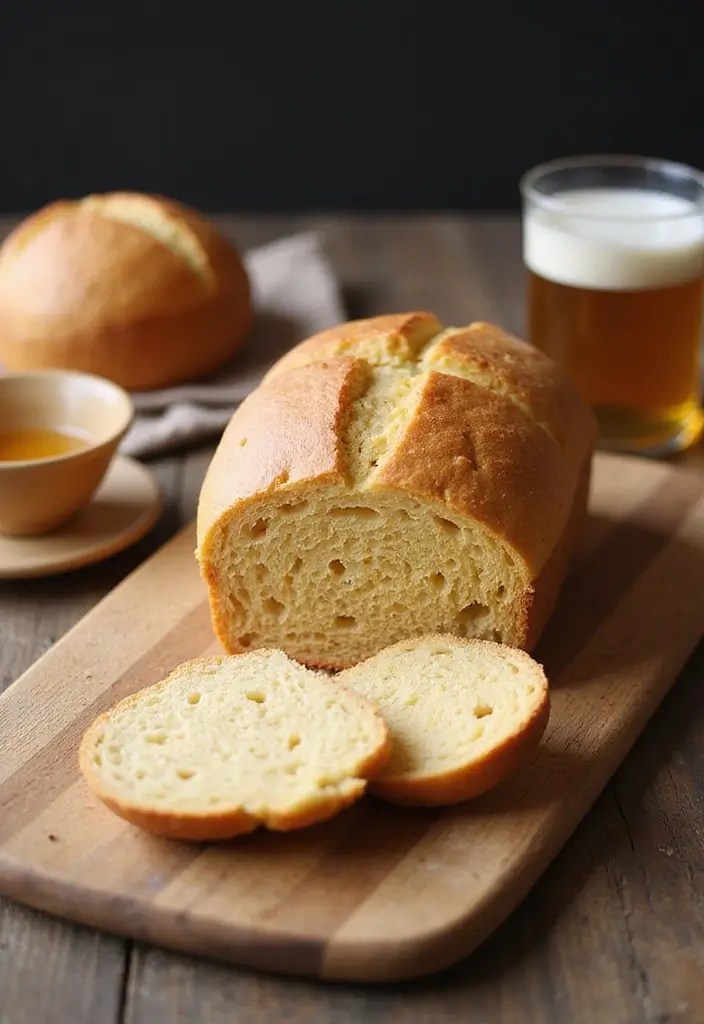
Experience the fusion of flavor with honey ale bread, a delightful twist on traditional recipes. This bread captures the essence of medieval brewing, where honey not only sweetened but also preserved, making it a treasured ingredient. The combination of rich ale and honey provides a slight sweetness balanced with a hearty texture. Pair it with your favorite stews for a delicious contrast.
To get started, you’ll want to use quality ingredients. For a wholesome base, consider using Gold Medal premium quality all natural whole wheat flour. This flour adds a rich flavor and hearty texture to your bread, making it the perfect choice for this recipe.
For the ale, you can explore your home brewing skills with the Craft a Brew – Oktoberfest Ale – Beer Making Kit. This kit provides everything you need to create your own craft beer, allowing you to customize the flavor of your honey ale bread to your liking.
Once you’re ready to bake, having the right tools makes all the difference. The Amazon Basics rectangular baking bread loaf pan will ensure that your loaf bakes evenly and comes out perfectly shaped every time.
Ingredients Overview:
– 3 cups whole wheat flour
– 1 cup ale
– 1/2 cup honey
– 1/4 cup butter
– 1 teaspoon salt
– 1 packet yeast
Preparation Details:
– Servings: 10
– Prep Time: 20 minutes
– Cook Time: 45 minutes
– Total Time: 1 hour 5 minutes
Nutrition Information (per serving):
– Calories: 180
– Protein: 5g
– Carbs: 34g
Instructions:
1. Melt butter and mix with honey and ale.
2. In a bowl, combine flour, salt, and yeast.
3. Gradually add the liquid mixture, knead for about 5 minutes.
4. Let it rise for 1 hour.
5. Shape into a loaf and bake at 375°F (190°C) for 45 minutes.
Try different ales for unique flavor experiences!
FAQ: Can I use regular flour? Yes, but whole wheat adds a richer flavor.
3. Herb Focaccia: A Medieval Garden Delight
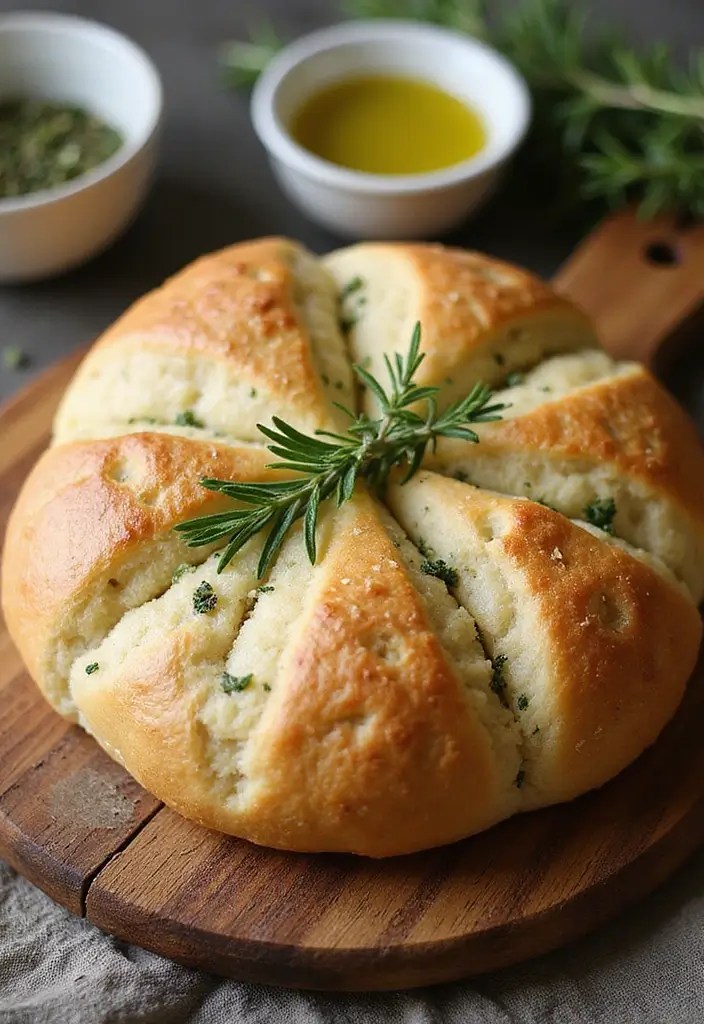
Focaccia, often adorned with herbs and flowers, brings the medieval garden to your table. This savory flatbread is perfect for serving with olive oil or as a vessel for dipping sauces. The aroma of thyme and rosemary baking in the oven will transport your senses to an ancient herb garden. For the freshest flavor, consider using an Herb Garden Starter Kit to grow your own herbs right at home. It’s a great way to ensure your focaccia is bursting with freshness!
Additionally, pairing your focaccia with a high-quality olive oil enhances the overall experience. A bottle like Pompeian Smooth Extra Virgin Olive Oil will add rich flavor to your dish, making it perfect for dipping.
Lastly, for the best baking results, you might want to invest in a baking stone for bread. This heavy-duty stone ensures even heat distribution, giving your focaccia that perfect golden crust that is essential for an authentic taste.
It’s a versatile addition to share at any themed dinner, and with these products, you’ll be well-equipped to create a delightful medieval feast right in your kitchen.
4. Spiced Apple Bread: A Taste of Autumn
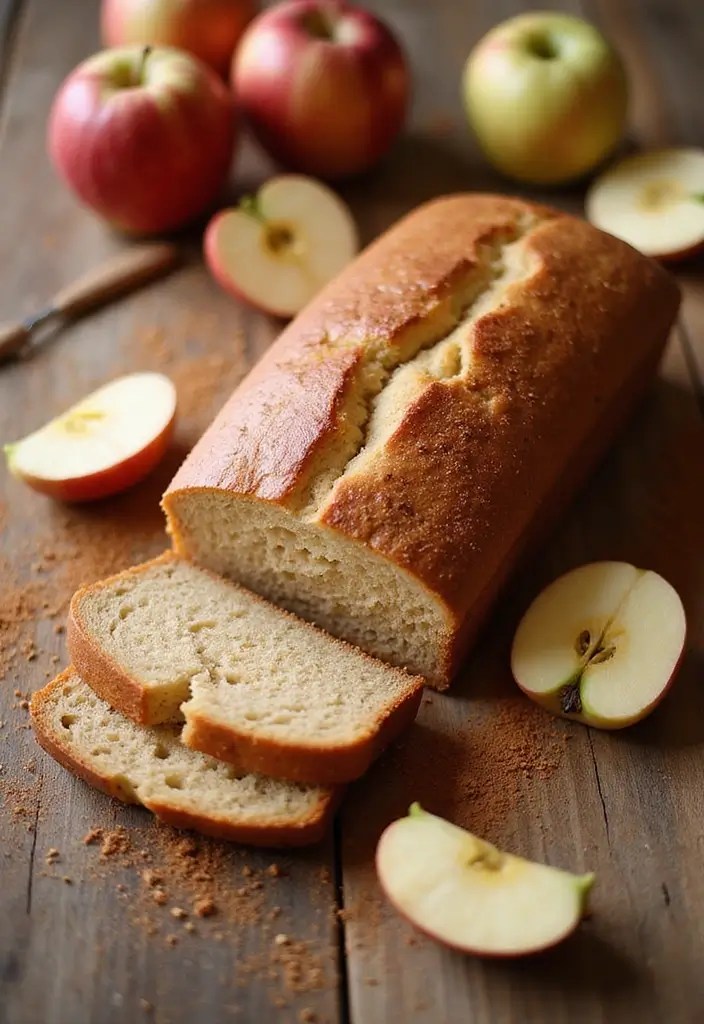
Bring the warmth of autumn into your medieval feast with spiced apple bread.
This sweet and moist bread combines the flavors of ripe apples, cinnamon, and nutmeg, reminiscent of seasonal harvests. Perfectly paired with butter or cheese, it adds a comforting touch to your dinner spread. Plus, it’s a delicious way to incorporate fruit into your meal.
To get started, consider using all-purpose flour, which is essential for achieving that perfect texture in your bread. You’ll also want to add some spice—check out cinnamon powder for a rich flavor that complements the apples beautifully.
When it’s time to bake, a reliable loaf pan is crucial. The loaf pan provides even heating and ensures your bread comes out perfectly shaped every time.
Ingredients Overview:
– 2 cups all-purpose flour
– 1 cup applesauce
– 1 cup brown sugar
– 1 egg
– 2 teaspoons cinnamon
– 1 teaspoon nutmeg
Preparation Details:
– Servings: 8
– Prep Time: 20 minutes
– Cook Time: 50 minutes
– Total Time: 1 hour 10 minutes
Nutrition Information (per serving):
– Calories: 210
– Protein: 3g
– Carbs: 38g
Instructions:
1. Preheat oven to 350°F (175°C).
2. In a bowl, mix flour, sugar, and spices.
3. Add applesauce and egg, mix until combined.
4. Pour into a greased loaf pan and bake for 50 minutes.
Add chopped nuts for extra crunch!
FAQ: How do I know when it’s done? Insert a toothpick; it should come out clean.
5. Rye Bread: The Heart of Medieval Kitchens
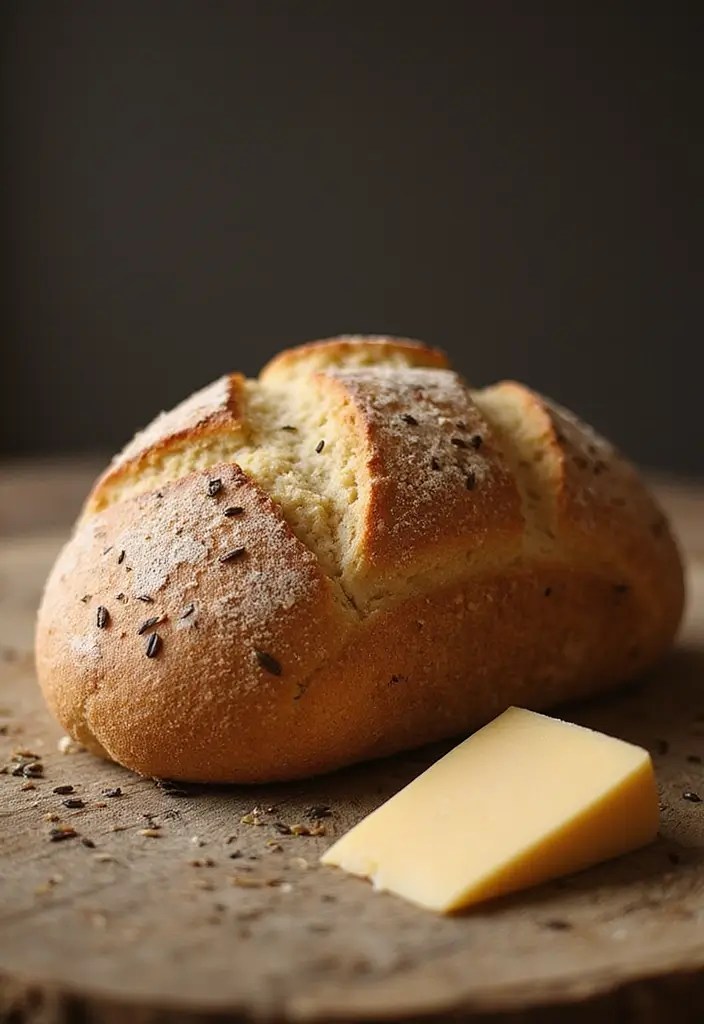
Rye bread, with its dense texture and rich flavor, was commonly consumed in medieval households. This bread embodies the rustic charm of medieval kitchens, where every ingredient was savored. To make your rye bread truly authentic, consider using King Arthur Baking Organic Medium Rye Flour. This flour, made from 100% US grown and milled rye, enhances the bread’s complex flavor and provides the robust taste that defines traditional rye bread.
Rye provides a slightly sour taste, and it pairs excellently with smoked meats and cheeses. To elevate the flavor further, don’t forget to add some Badia Caraway Seeds. These whole seeds introduce a mild anise flavor that complements the heartiness of the bread, making it perfect for a filling meal, and a must-try for your themed dinner.
When prepared with care, this bread not only serves as a delightful treat when served with butter but also transports you back to a time where such staples enriched every meal.
You might also like

7 Kitchen Herbs You Can Snip and Stir Into Any Dish (No Green Thumb Needed!)
10 Easy Meal Prep Ideas That Busy Moms Will Absolutely Love!
6. Garlic Bread: Rustic Indulgence
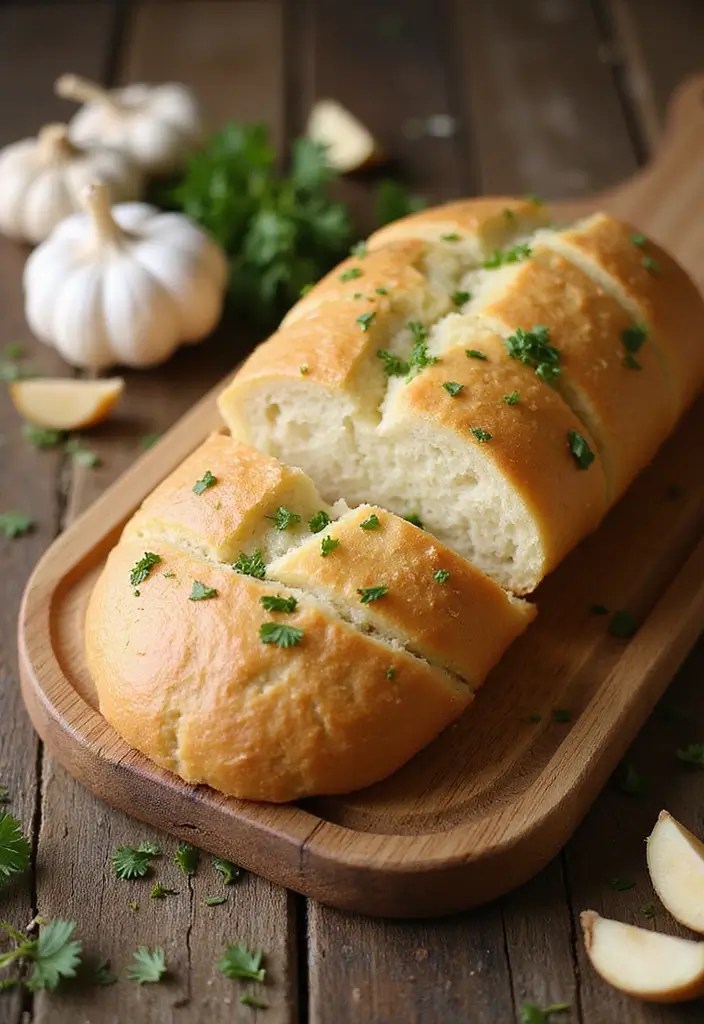
Garlic bread has taken medieval feasts by storm, serving as a delicious side to various dishes. This bread is infused with aromatic garlic, and its crispy edges and soft center are perfect for dipping or enjoying on its own. It’s an easy way to add flavor and elevate any meal. Plus, it pairs wonderfully with soup or salad, making it a versatile option.
To make the process even easier, consider using an OXO Good Grips heavy duty garlic press. This handy tool allows you to quickly mince garlic without the hassle of chopping, ensuring that each clove is perfectly crushed to release its full flavor.
Ingredients Overview:
– 1 loaf of crusty bread
– 1/2 cup unsalted butter
– 4 cloves garlic, minced
– 1/4 cup fresh parsley, chopped
– 1 teaspoon salt
Preparation Details:
– Servings: 6
– Prep Time: 10 minutes
– Cook Time: 15 minutes
– Total Time: 25 minutes
For chopping the fresh parsley, the OXO Good Grips vegetable chopper is a great investment. This tool makes quick work of herbs, allowing you to finely chop parsley with ease, which enhances the flavor of your garlic bread.
Nutrition Information (per serving):
– Calories: 250
– Protein: 4g
– Carbs: 30g
Instructions:
1. Preheat oven to 375°F (190°C).
2. Combine butter, garlic, parsley, and salt.
3. Spread the mixture onto the bread.
4. Wrap in foil and bake for 15 minutes.
For extra crunch, broil for 2 minutes after baking.
Lastly, if you’re looking for a reliable surface to bake your garlic bread, a quality baking sheet like the GoodCook everyday nonstick carbon steel baking sheet set can make a difference. Its nonstick surface ensures your bread comes out perfectly without sticking, making cleanup a breeze.
FAQ:
Can I use garlic powder? Yes, but fresh garlic is more flavorful!
7. Stuffed Bread: A Medieval Surprise
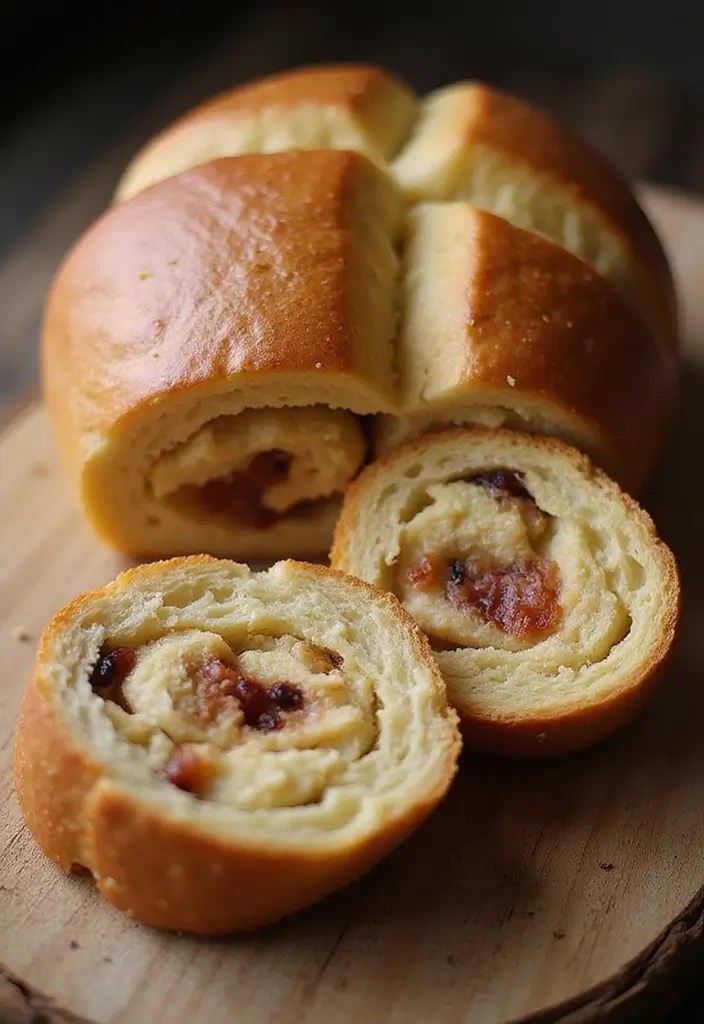
Imagine cutting into a loaf only to find it filled with savory surprises! Stuffed bread adds an exciting twist to traditional baking and is a great way to impress your guests at any gathering.
You can fill your bread with anything from spiced meats to hearty vegetables alongside cheeses, creating a feast for the senses. To ensure your bread comes out perfectly baked, consider using a bread baking stone. This heavy-duty cordierite pizza pan is thermal shock resistant and helps achieve that ideal crust while baking.
Ingredients Overview:
– 4 cups bread flour
– 2 cups warm water
– 1 tablespoon salt
– 1 packet yeast
– 1 cup cooked and seasoned filling (meat, cheese, or vegetables)
Preparation Details:
– Servings: 8
– Prep Time: 25 minutes
– Cook Time: 50 minutes
– Total Time: 1 hour 15 minutes
Nutrition Information (per serving):
– Calories: 300
– Protein: 10g
– Carbs: 50g
Instructions:
1. Mix flour, yeast, and salt; gradually add water.
2. Knead until smooth and let rise for 1 hour.
3. Punch down, fill with your chosen filling, shape, and let rise again.
4. Bake at 375°F (190°C) for 50 minutes on that bread baking stone for a fantastic result.
For the kneading process, a dough scraper can be your best friend. This handy tool helps you handle the dough effortlessly, ensuring that it remains smooth and well-formed.
Experiment with different fillings for creative flavors! You might also want to have a good set of mixing bowls on hand. A mixing bowls set with airtight lids is perfect for preparing and storing your ingredients, helping you keep everything organized and fresh.
FAQ: Can I use leftover meats? Absolutely! It’s a great way to reduce waste.
Surprise your taste buds with stuffed bread! From savory meats to rich cheeses, every slice is a delightful journey back to medieval feasts. Let your creativity shine in the kitchen!
8. Sweet Brioche: A Decadent Treat

Brioche, with its buttery richness and tender crumb, has its roots in medieval baking where indulgence was celebrated. This sweet bread is versatile enough to be enjoyed as a dessert or served alongside savory dishes. The soft texture and slightly sweet flavor make it perfect for breakfast or a grand feast.
To make your baking experience even smoother, consider using a KitchenAid Classic Series 4.5 Quart Tilt-Head Stand Mixer. This stand mixer simplifies the process of mixing and kneading the dough, ensuring a consistent texture without the physical strain of manual mixing.
Ingredients Overview:
– 4 cups all-purpose flour
– 1/2 cup sugar
– 1/2 cup butter, softened
– 3 eggs
– 1 packet yeast
– 1 teaspoon salt
Preparation Details:
– Servings: 10
– Prep Time: 15 minutes
– Cook Time: 30 minutes
– Total Time: 45 minutes
Nutrition Information (per serving):
– Calories: 270
– Protein: 6g
– Carbs: 40g
Instructions:
1. Combine flour, sugar, salt, and yeast.
2. Mix in butter and eggs to form a dough.
3. Knead for 10 minutes, let rise for 1 hour.
4. Shape into a loaf, let rise again, bake at 350°F (175°C) for 30 minutes.
For the perfect baking vessel, a 9×5 Inch Cast Iron Loaf Pan is an excellent choice. With its even heat distribution, it ensures your brioche bakes uniformly, giving you that gorgeous golden crust.
Don’t forget to brush your brioche with an egg wash for a golden crust! A Digital Kitchen Scale can also be a helpful tool in measuring your ingredients accurately, ensuring your brioche turns out perfectly every time.
FAQ: Can I add chocolate chips? Yes, for an extra sweet touch!
You Might Also Like

15 Adorable Nautical Nursery Themes for Your Little Captain (Wait Until You See #9!)
10 Easy Seasonal Healthy Recipes That Celebrate Fresh Ingredients (Don’t Miss #2!)
9. Flatbread: The Ancient Staple
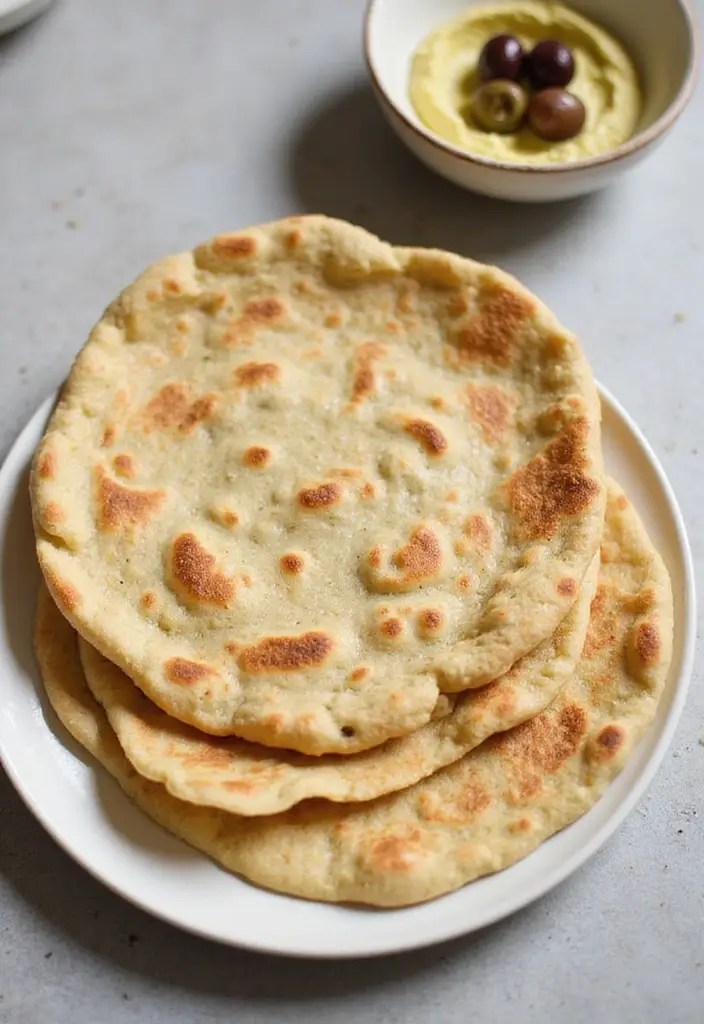
Flatbread, one of the oldest forms of bread, dates back to ancient civilizations, including the medieval era. This versatile bread can be enjoyed with dips, used for wraps, or served alongside soups. Its simplicity and ability to pair with various foods make it a must-have for any feast.
To create the perfect flatbread, you’ll need high-quality ingredients. Start with King Arthur, 100% Organic Whole Wheat Flour. This 100% whole grain flour is not only Non-GMO Project Verified but also excellent for achieving a hearty texture in your flatbread.
For cooking, a reliable skillet is essential. Consider using a Lodge 12 Inch Cast Iron Skillet. Known for its durability and nonstick properties, this pre-seasoned frying pan will help you achieve beautifully cooked flatbread every time, whether you’re using it on the stove or over a campfire.
Finally, to elevate the flavor of your flatbread, brush it with some Pompeian Smooth Extra Virgin Olive Oil. This first cold pressed olive oil is rich in polyphenols and will add a delicious depth to your bread.
Ingredients
– 2 cups whole wheat flour
– 1 cup water
– 1 teaspoon salt
– Olive oil for cooking
Preparation Details:
– Servings: 6
– Prep Time: 10 minutes
– Cook Time: 15 minutes
– Total Time: 25 minutes
Nutrition Information (per serving):
– Calories: 150
– Protein: 4g
– Carbs: 30g
Instructions:
1. Mix flour, water, and salt until a dough forms.
2. Divide into balls and roll flat.
3. Cook on a hot skillet for 2-3 minutes on each side.
Brush with garlic-infused oil for extra flavor!
Flatbread has been a staple for centuries, bringing people together at the table. Simple yet versatile, it’s the perfect companion for dips, wraps, or soups—elevate your medieval feast with this timeless delight!
FAQ:
Can I use gluten-free flour? Yes, but the texture may vary.
10. Themed Dinner Setup: Creating the Perfect Atmosphere
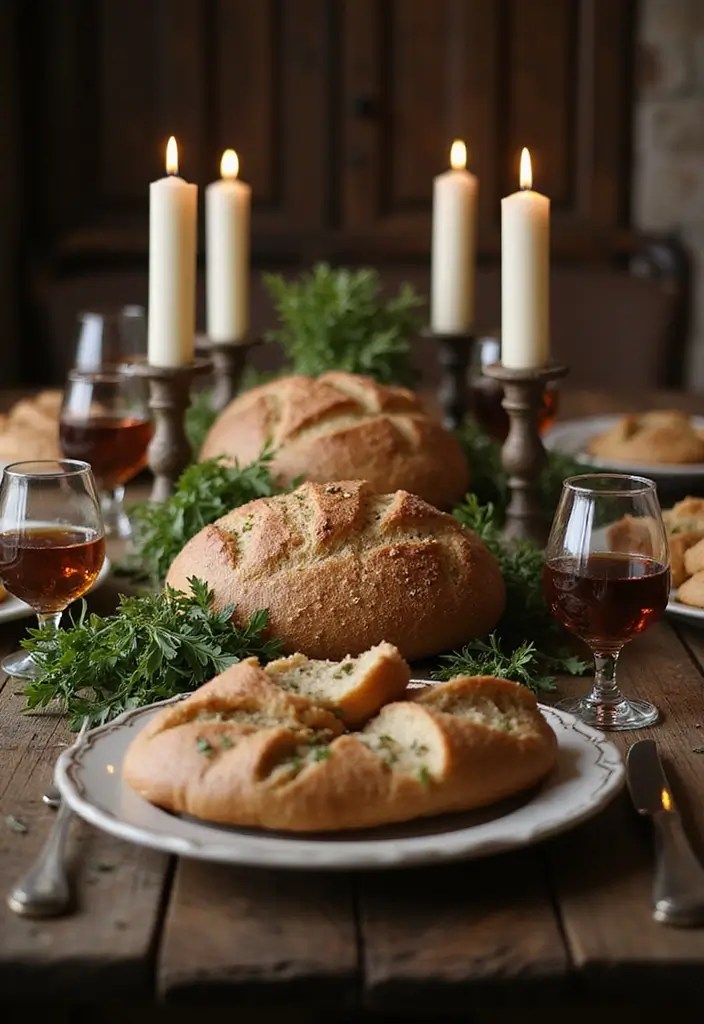
Your medieval feast deserves an ambiance that matches the rich flavors of your bread!
Set the scene with rustic wooden tables, and serve drinks in stunning pewter goblets that evoke the charm of the era. Let flickering candlelight enhance the atmosphere; consider using candle lanterns for a warm glow that creates a cozy feel. Incorporate tablecloths in deep reds and golds, and display your breads on a beautiful rustic wooden serving board, surrounded by fresh herbs and fruits for a truly inviting presentation.
Add some medieval music for an immersive experience, and encourage guests to dress in period-appropriate attire. It’s all about making the dinner more than just a meal; it should be an experience!
For your themed dinner:
– Use vintage-looking utensils alongside that rustic wooden serving board
– Decorate with wildflowers or greenery to enhance the natural feel
– Include medieval music for an immersive atmosphere
– Encourage guests to dress accordingly
FAQ: What if I can’t find medieval props? Get creative with what you have at home or visit thrift stores!
Conclusion: A Feast to Remember
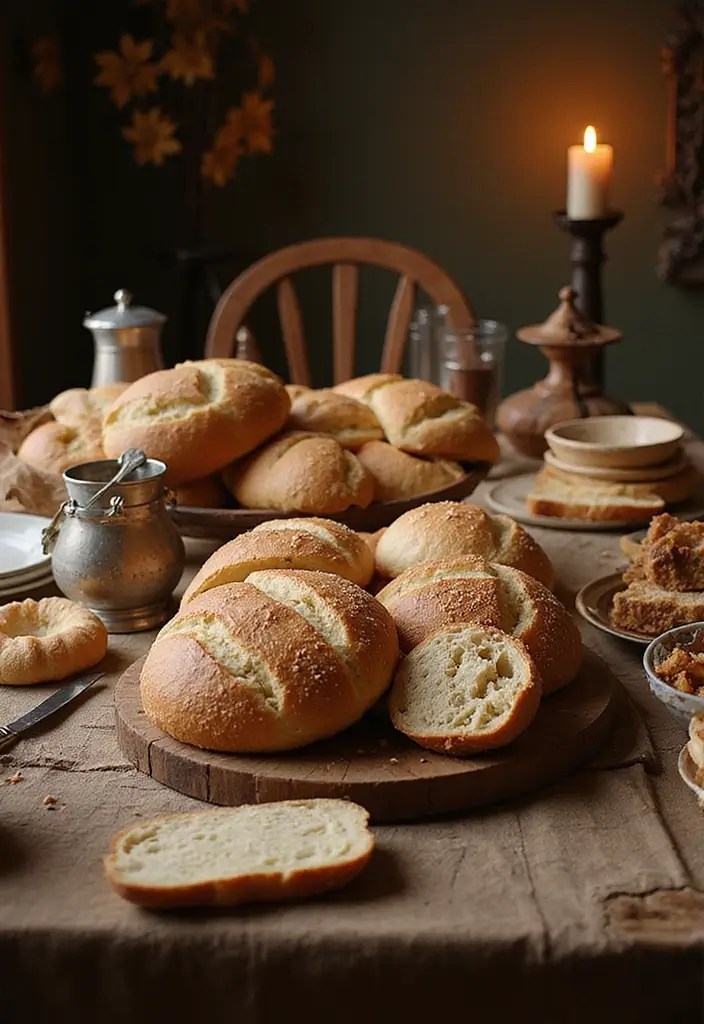
Embarking on a culinary journey through medieval bread is a delightful way to connect with history while enjoying the pleasures of home cooking.
Whether it’s the classic round loaf or the sweet brioche, each recipe can bring a taste of the past to your table. Consider hosting a themed dinner that immerses your guests in the experience, where not just the flavors, but the entire atmosphere celebrates a rich history.
From the baking process to the final presentation, these breads can transform your meals into memorable feasts!
Note: We aim to provide accurate product links, but some may occasionally expire or become unavailable. If this happens, please search directly on Amazon for the product or a suitable alternative.
This post contains Amazon affiliate links, meaning I may earn a small commission if you purchase through my links, at no extra cost to you.
Frequently Asked Questions
What Ingredients Are Commonly Used in Medieval Royal Feast Bread?
Medieval Royal Feast Bread is made using simple yet wholesome ingredients like flour, water, salt, and yeast. Some variations include additions like honey, herbs, and spices to enhance flavor, while others may incorporate seasonal produce, such as apples or garlic, to create delightful twists on traditional recipes.
How Can I Create a Themed Dinner Atmosphere for a Medieval Feast?
To transport your guests to the medieval era, focus on creating a rustic ambiance with wooden tables, candlelight, and historical props. Incorporate traditional serving ware, such as goblets and wooden platters, and consider playing medieval music to elevate the experience. Don’t forget to serve your delicious breads alongside hearty, rustic dishes for a truly authentic feast!
Is It Difficult to Bake Medieval Bread at Home?
Not at all! Baking Medieval Royal Feast Bread can be quite simple. Most recipes are straightforward, focusing on basic techniques like mixing, kneading, and baking. As long as you have the right ingredients and some patience, you’ll be able to create delicious breads that capture the essence of the medieval era. Plus, the aroma of baking bread is sure to make the effort worthwhile!
What Are the Health Benefits of Eating Whole Grain Breads Like Rye and Focaccia?
Whole grain breads like rye and focaccia provide numerous health benefits. They are rich in fiber, which aids digestion and helps maintain a healthy weight. Whole grains also contain essential nutrients, such as B vitamins and minerals, that support overall health. Incorporating these breads into your diet can be a delicious way to boost your nutrition while enjoying the flavors of a medieval feast!
Can I Use Modern Ingredients to Make Medieval Bread Recipes?
Absolutely! While traditional recipes emphasize historical ingredients, feel free to experiment with modern alternatives that suit your taste. For example, you can use different types of flour, like whole wheat or gluten-free options, or add contemporary flavorings like nuts and seeds. The key is to maintain the essence of the bread while making it your own—enjoy the process of blending history with your personal touch!
 The Midnight Scribbler
Leave a comment