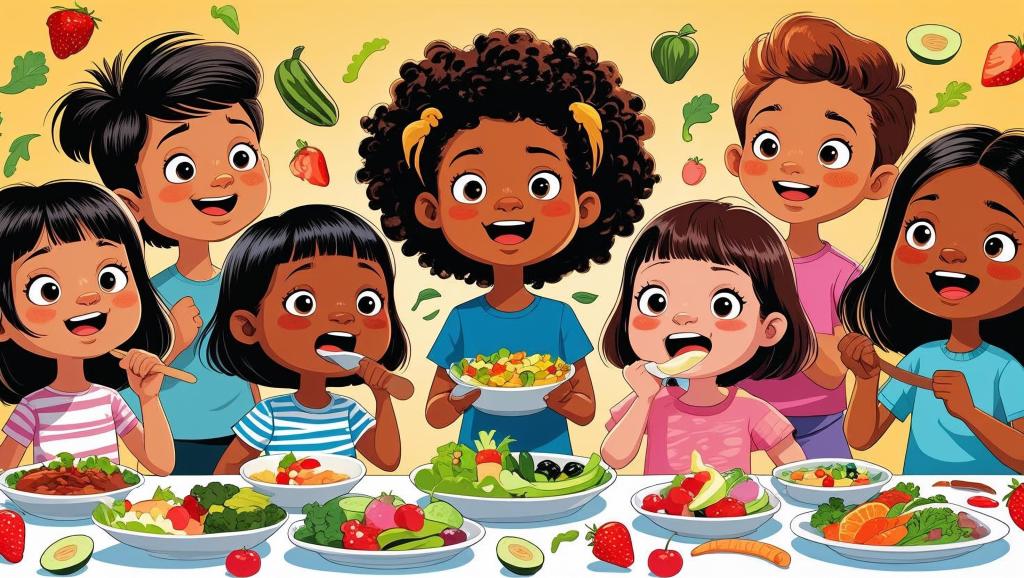
When tackling picky eating, focus on gradual exposure to new flavors and positive experiences with food. Sneaky ways to incorporate vegetables include blending them into smoothies or hiding them in sauces and baked goods. Involving your kids in meal preparation fosters ownership and confidence in their choices. Engage them with creative snacks, flavorful smoothies, and kid-friendly meals that appeal to their tastes. Continue exploring innovative strategies to make healthy eating enjoyable for your family.
Key Takeaways
- Gradually introduce new foods alongside familiar favorites to ease picky eaters into trying healthier options without feeling overwhelmed.
- Incorporate vegetables into smoothies or baked goods to boost nutrition while masking their taste, making them more appealing to children.
- Create fun and interactive meal prep experiences, allowing kids to take ownership and develop positive associations with food.
- Offer colorful and visually appealing snacks, like fruit kabobs or DIY snack mixes, to make healthy eating exciting and engaging.
- Celebrate small victories when kids try new foods, fostering a positive atmosphere around mealtime and encouraging adventurous eating.
Understanding Picky Eating: Common Reasons and Challenges
While it’s easy to label someone as a picky eater, understanding the underlying reasons can reveal a lot about their food preferences.
Emotional factors often play a significant role; for instance, past negative experiences with certain foods can create aversions. You might also notice that stress or anxiety can heighten sensitivity to flavors and textures, making meal times challenging.
Additionally, some individuals have a heightened sense of taste, which can lead to a strong dislike for specific foods. Recognizing these underlying causes can help you approach the situation with empathy.
Instead of forcing new foods, consider exploring their preferences and gradually introducing variations, making the process more enjoyable and less intimidating for them.
Sneaky Ways to Incorporate Vegetables
If you’re struggling to get your picky eater to enjoy vegetables, there are some clever tricks you can use.
Blending veggies into smoothies, creating vegetable-infused sauces, or even hiding them in baked goods can make a big difference.
These methods not only boost nutrition but also keep mealtime enjoyable for everyone.
Blending Into Smoothies
Incorporating vegetables into smoothies can be an effective way to help picky eaters consume essential nutrients without even realizing it. Start with popular smoothie combinations like spinach or kale, which blend seamlessly with fruits like bananas and berries. You won’t taste the greens, but they’ll add a nutrient boost.
Consider ingredient substitutions, such as using avocado for creaminess or zucchini for extra fiber. Adding a splash of nut milk or yogurt enhances flavor and texture, making the smoothie more appealing.
Don’t forget to sweeten it naturally with honey or dates if needed. By experimenting with different vegetable options, you can create delicious smoothies that your picky eaters will love, all while sneaking in those crucial nutrients.
Vegetable-Infused Sauces
Sneaking vegetables into sauces is a smart way to boost nutrition without sacrificing flavor. You can start by blending in vegetable varieties like spinach, carrots, or zucchini into marinara or cheese sauces. These additions create a creamy texture without altering the taste considerably.
For a chunky sauce, consider finely chopping bell peppers or mushrooms; they’ll blend seamlessly into your dish while adding nutrients.
Experiment with different sauce textures; pureeing cooked vegetables can yield a smooth, rich sauce, while adding sautéed veggies can provide a hearty bite.
Don’t forget to season well—herbs and spices can mask any vegetable flavors your picky eater might detect. With these strategies, you’ll sneak in extra veggies and make mealtime healthier and more enjoyable.
Hidden in Baked Goods
Baking can be a clever way to introduce vegetables into your picky eater‘s diet, and even a small amount can make a big difference. You can use baking substitutions like applesauce or pureed pumpkin to replace some of the fat in recipes, adding moisture and nutrition without altering the taste too much.
Consider sweet vegetable additions such as grated zucchini in muffins or brownies, or pureed carrots in cookies. These hidden veggies boost fiber and vitamins while keeping the treats delicious.
Simply blending vegetables into your favorite baked goods can help your child unknowingly enjoy a healthier diet. Experiment with different recipes and watch your picky eater embrace these sneaky, nutritious delights!
Creative and Fun Snack Ideas
Getting creative with snacks can make healthy eating exciting for picky eaters.
Try colorful fruit kabobs that not only look appealing but also pack a nutritional punch.
You can also whip up DIY snack mixes with a variety of nuts, seeds, and dried fruits for a tasty treat that encourages exploration of new flavors.
Colorful Fruit Kabobs
When it comes to enticing picky eaters, colorful fruit kabobs offer a visually appealing and nutritious solution that can spark interest in healthy eating.
You can create these fun snacks by skewering a variety of fruits, ensuring a vibrant color selection that catches the eye. Think strawberries, kiwi, pineapple, and blueberries for a rainbow effect.
This fun presentation not only makes the kabobs look inviting but also encourages kids to explore different flavors. You can even let your children help assemble them, making it a family activity that promotes healthy choices.
Additionally, you can pair the kabobs with a yogurt dip for an extra tasty treat. With fruit kabobs, you’re turning healthy eating into an enjoyable experience!
DIY Snack Mixes
Creating DIY snack mixes is a fantastic way to engage picky eaters while ensuring they enjoy a nutritious and satisfying snack. You can personalize the mixes by combining whole grains, nuts, seeds, and dried fruits, achieving a nutrient balance that pleases their taste buds.
For example, try mixing whole grain cereal with almonds and raisins for a crunchy, sweet option.
Portion control is essential, so consider using small containers or bags to help manage serving sizes. This not only teaches healthy habits but also prevents overeating.
Let your kids get creative by choosing their favorite ingredients, making snack time more enjoyable. With these DIY mixes, you’ll provide healthy choices that keep picky eaters satisfied and excited about their snacks!
Flavorful and Nutritious Smoothies

How can you turn nutritious ingredients into a tasty treat that even picky eaters will love? Smoothies are your answer!
Start by selecting appealing smoothie ingredients like ripe bananas, frozen berries, and creamy yogurt. These flavors mask the taste of greens like spinach or kale, making them virtually undetectable.
Use blending techniques that guarantee a smooth, lump-free texture; blend the fruits and greens first, then add yogurt or milk for creaminess.
For added nutrition, consider incorporating nut butters, chia seeds, or oats.
Experiment with different combinations to find what your picky eater enjoys most. With the right balance of flavors and textures, smoothies can become a favorite treat while sneaking in essential vitamins and minerals!
Kid-Friendly Breakfast Options
While mornings can be hectic, you can still whip up kid-friendly breakfast options that are both nutritious and appealing. Here are some ideas that even picky eaters might enjoy:
- Oatmeal with fun toppings like sliced bananas, berries, or a drizzle of honey.
- Breakfast burritos filled with scrambled eggs, cheese, and diced veggies.
- Yogurt parfaits layered with granola and fresh fruit.
- Whole grain pancakes topped with nut butter and sliced apples.
- Smoothie bowls made with blended fruits and topped with seeds or coconut.
These options not only meet your child’s nutritional needs but also cater to their taste preferences.
Healthy Lunchbox Ideas
As you navigate the challenge of packing nutritious lunches for your picky eater, you’ll find that variety and creativity can make all the difference.
Start with lunchbox organization by using compartments to keep foods separate and visually appealing. Include a protein source like turkey roll-ups or hummus with whole grain pita, paired with colorful veggies and a fruit option.
Remember, portion control is key—opt for smaller servings to avoid overwhelming your child. Incorporate dips like yogurt or guacamole to make veggies more enticing.
Don’t forget to switch things up weekly to maintain interest. With these healthy lunchbox ideas, you’ll encourage balanced eating habits while satisfying your child’s preferences.
Dinner Recipes for the Whole Family
When it comes to dinner recipes for the whole family, focusing on simple, nutritious dishes can make mealtime enjoyable for everyone.
You want to create family-friendly meals that appeal to picky eaters while also providing nutritious dinner options. Here are some ideas that are sure to please:
- Grilled chicken with steamed broccoli and brown rice
- Whole wheat pasta with marinara sauce and hidden veggies
- Tacos with lean ground beef or beans, topped with cheese and lettuce
- Homemade pizza with whole grain crust and assorted toppings
- Stir-fried vegetables with tofu or chicken over quinoa
These dishes aren’t only easy to prepare but packed with nutrients, making them perfect for satisfying even the most selective eaters at your table.
Engaging Kids in Meal Preparation

Engaging kids in meal preparation not only makes cooking more fun but also fosters healthy eating habits and boosts their confidence in the kitchen.
Start by involving them in meal planning; let them choose a recipe and pick ingredients. This gives them a sense of ownership over their meals.
Introduce cooking games to make the process exciting—set a timer for tasks or create a friendly competition on who can chop veggies the fastest.
By giving them age-appropriate tasks, like washing produce or stirring mixtures, you empower them to participate actively.
Research shows that kids who help prepare meals are more likely to try new foods and develop a positive relationship with healthy eating.
Enjoy creating delicious meals together!
Building Positive Food Associations
While introducing new foods can be challenging, building positive food associations can make a significant difference in a picky eater’s willingness to try healthier options.
By creating enjoyable experiences around food exploration, you can help foster a more adventurous palate. Here are some practical tips to encourage positive experiences:
- Involve your child in grocery shopping and meal prep.
- Create fun themes for mealtime, like “Taco Tuesday” or “Fruit Friday.”
- Encourage taste-testing with colorful, visually appealing plates.
- Pair new foods with familiar favorites to ease the shift.
- Celebrate small victories when your child tries something new, reinforcing their bravery.
Frequently Asked Questions
How Can I Encourage My Child to Try New Foods?
To encourage your child to try new foods, start food exploration together. Make it fun with taste testing sessions, where they can sample small portions. Celebrate their bravery and curiosity, fostering a positive attitude towards diverse flavors.
What Are Some Tips for Dining Out With Picky Eaters?
Dining out with picky eaters can feel like steering through a culinary minefield. Opt for restaurants that offer menu modifications, and choose places with diverse options, ensuring your child’s taste buds can explore without overwhelming them.
Are There Specific Food Textures to Avoid for Picky Eaters?
When dealing with picky eaters, it’s best to avoid smooth textures, as they often prefer crunchy foods. Offering a variety of crunchy options can make meals more appealing and encourage them to try new things.
How Can I Handle Food Refusals Without Creating Conflict?
When facing food refusals, think of a traffic light; red means stop, green means go. Use food refusal strategies like offering choices and employ positive reinforcement to encourage acceptance without conflict, fostering a more relaxed dining experience.
What Role Do Food Allergies Play in Picky Eating Habits?
Food allergies greatly impact picky eating habits. You should consider food sensitivities and allergy awareness when introducing new foods, as avoiding allergens can limit choices and exacerbate selective eating behaviors. Understanding this helps create a supportive eating environment.
Conclusion
Incorporating healthy foods for picky eaters can be a rewarding journey for both you and your child. Did you know that about 50% of toddlers are considered picky eaters? By sneaking in veggies, creating fun snacks, and involving kids in meal prep, you can foster a positive eating environment. Remember, patience is key, and with these strategies, you’ll help your child develop a more adventurous palate while ensuring they get the nutrients they need.
Note – This post contains Amazon affiliate links, meaning I may earn a small commission if you purchase through my links, at no extra cost to you.
 The Midnight Scribbler
Leave a comment