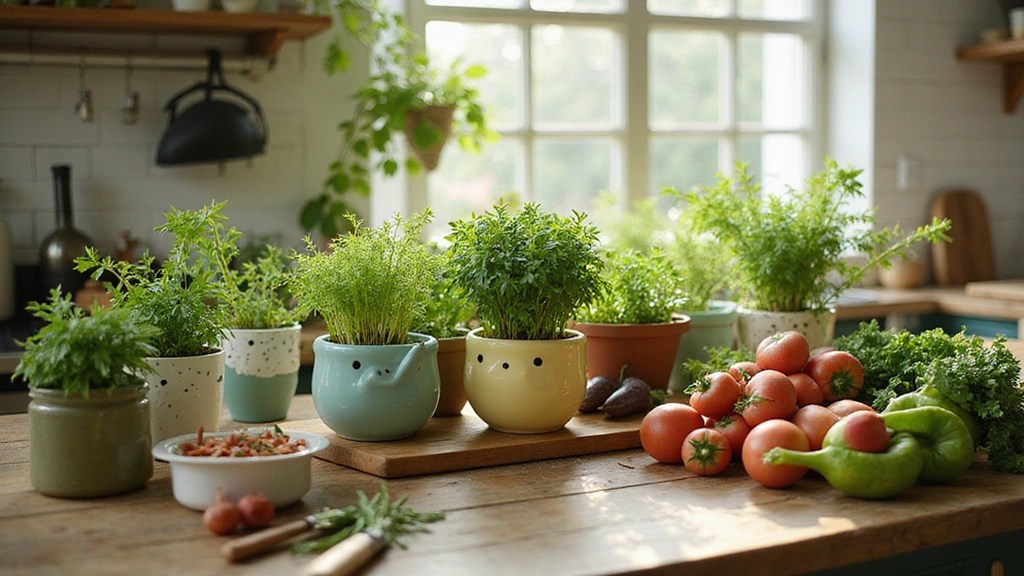
Fresh herbs can bring a burst of flavor and vibrancy to your meals without needing a green thumb. Growing your own kitchen herbs is a rewarding way to enhance your cooking while enjoying the beauty of nature.
Imagine stepping into your kitchen, snipping some fresh basil or mint, and tossing it right into your dish. The satisfaction of cooking with your own herbs is unmatched, and it’s easier than you think! Whether you want to garnish a salad, spice up a soup, or elevate a simple dish, these seven herbs are perfect for beginner gardeners and seasoned cooks alike. Get ready to transform any meal into something special with these easy-to-care-for kitchen herbs!
Contents
- 1. Basil – The King of Herbs
- 2. Parsley – The Versatile Green
- 3. Mint – The Cool Herb
- 4. Chives – The Onion Alternative
- 5. Oregano – The Mediterranean Flavor
- 6. Thyme – The Aromatic Herb
- 7. Rosemary – The Fragrant Needle
1. Basil – The King of Herbs
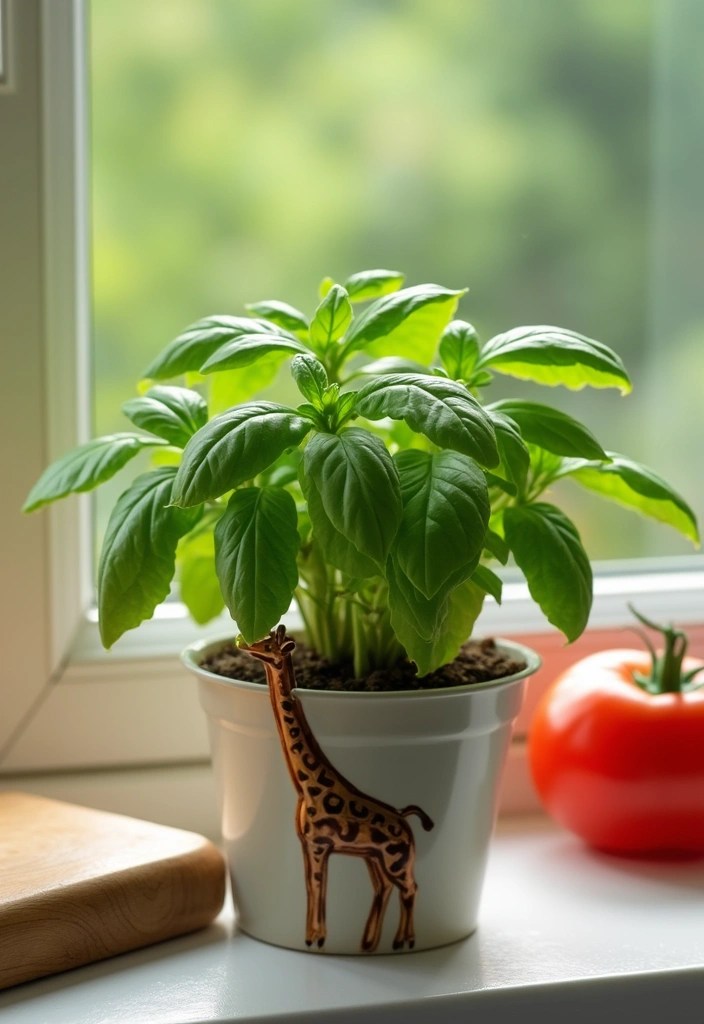
Basil is a classic kitchen herb that’s always a hit in dishes like pasta or salads. Its aromatic leaves deliver a fragrant punch, making it incredibly versatile. Whether you’re whipping up a homemade marinara sauce or a Caprese salad, fresh basil can elevate your dish to new levels.
Growing basil is a breeze with the right tools. An herb garden starter kit can set you up with everything you need to start your own indoor or outdoor herb garden, ensuring you have fresh basil at your fingertips. Basil thrives in warm conditions and requires plenty of sunlight; just be sure to water it regularly without overdoing it. Snipping the top leaves helps to encourage bushier growth, ensuring a continuous supply for your meals. For this, herb scissors are perfect for quickly and efficiently harvesting your basil without damaging the plant.
To store fresh basil leaves, wrap them in a damp paper towel and place them in the fridge, or you can keep them in a glass of water on your countertop for a chic display.
Tips for Using Basil:
– Add it fresh at the end of cooking for the best flavor.
– Pair it with tomatoes, mozzarella, or even fruits like strawberries for a refreshing twist.
– Use it to make pesto for an easy, homemade sauce.
You might also consider starting with basil seeds, which are organic and non-GMO, to grow your own fresh basil at home.
Adding basil to your meals transforms the simplest dishes into gourmet experiences.
Basil, the king of herbs, turns your kitchen into a flavor kingdom! Just a few snips can elevate any pasta or salad to gourmet heights—no green thumb required!
2. Parsley – The Versatile Green
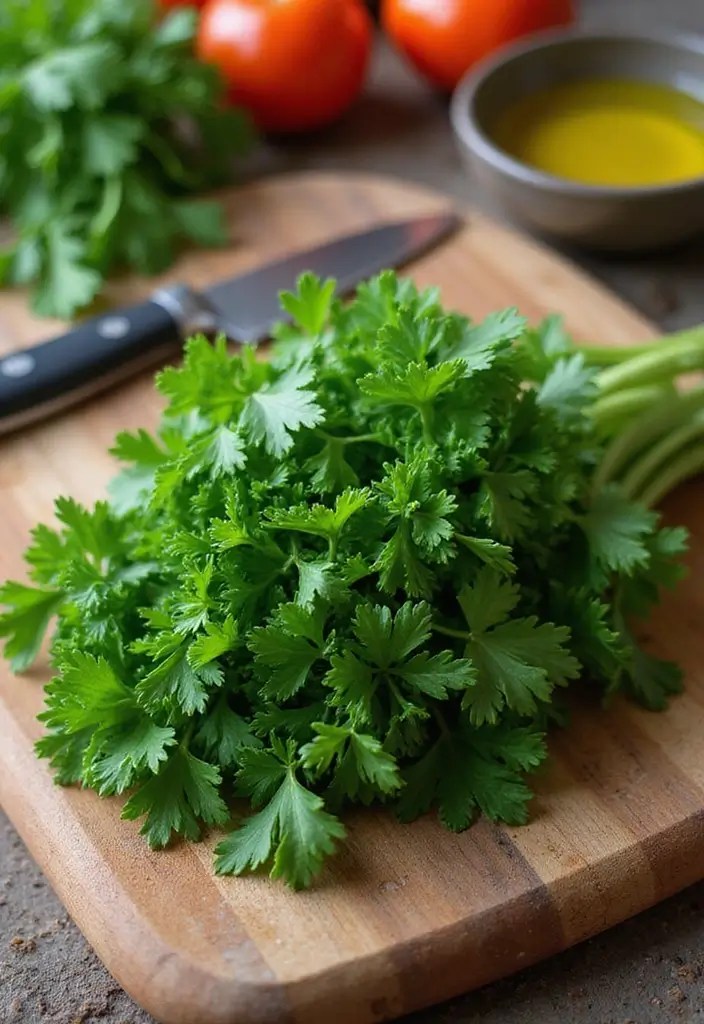
Parsley is the workhorse of the herb world. Its bright green, flat leaves add a fresh burst to a wide array of dishes, from soups to salads to marinades. Not only does it enhance flavor, but it also adds a pop of color to your meals, making them look even more appetizing.
There are two main types: curly and flat-leaf (also known as Italian parsley). While curly parsley is often used as a garnish, flat-leaf parsley has a stronger flavor and is great for cooking. If you’re looking to grow your own, consider the potted parsley plant, which is easy to maintain and will provide fresh herbs right at your fingertips. Parsley grows well in pots and prefers bright light, along with evenly moist soil.
Useful Tidbits:
– Chop it finely and add it to your dishes just before serving for a fresh flavor kick.
– Use it in tabbouleh, a refreshing Middle Eastern salad.
– Toss it into your smoothies for added nutrition.
To make your herb preparation even easier, you might find the herb scissors helpful. With their multiple blades, they can quickly and effortlessly cut fresh parsley and other herbs, saving you time in the kitchen.
With its mild flavor and bright color, parsley is an effortless way to bring freshness to your cooking. Whether you’re garnishing a dish or incorporating it into your recipes, having fresh parsley readily available makes all the difference. And if you’re interested in growing your own selection, the herb garden starter kit includes a variety of herbs, allowing you to explore and enjoy different flavors in your meals.
Parsley is the kitchen herb that does it all! Sprinkle it on soups, salads, or marinades to add a burst of flavor and color. Remember, whether curly or flat-leaf, it’s the little green powerhouse your dishes crave!
3. Mint – The Cool Herb

Refreshing, cooling, and fragrant, mint is a delightful herb that enhances both savory and sweet dishes. Whether used in a refreshing salad, a homemade dessert, or a cocktail, a few mint leaves can transform any creation into something extraordinary.
Mint is incredibly easy to grow. It thrives in a pot, which helps to limit its vigorous spreading. Consider using an indoor self-watering planter to keep your mint hydrated without the fuss. It prefers partial shade and needs to be watered regularly, making this type of planter a perfect solution. Harvest the leaves as needed, and don’t be afraid to prune it back – the more you snip, the bushier it gets! To make this task easier, a pair of herb scissors can be a game-changer. With their multiple blades, they allow you to quickly chop mint and other herbs with ease, ensuring you can enjoy the fresh taste in all your dishes.
Minty Suggestions:
– Infuse water with mint leaves for a refreshing drink.
– Add mint to yogurt or salads for a delightful twist.
– Create a mint pesto for something different.
Mint is not just a herb but an experience, giving a refreshing taste to both food and beverages. To kickstart your herbal journey, consider an herb garden starter kit that features a variety of herbs, including mint, perfect for your kitchen window.
Mint is more than just a garnish; it’s a game-changer! A single sprig can elevate your dishes from simple to sensational, making every meal a refreshing delight.
4. Chives – The Onion Alternative
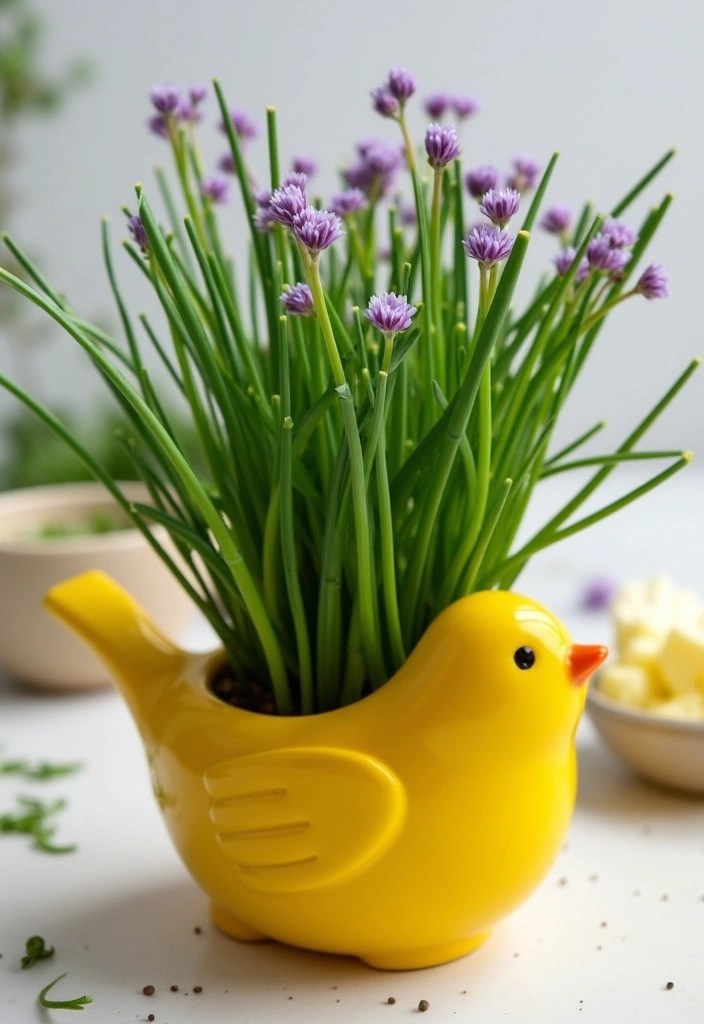
Chives are often overlooked but are a fantastic herb to have on hand. Their mild onion flavor makes them perfect for adding a subtle kick to baked potatoes, salads, omelets, and dips. Plus, their delicate purple flowers are an attractive bonus when they bloom.
For those looking to grow their own chives, consider using herb planter pots, which are perfect for any kitchen windowsill or countertop. This modern decor gardening planter kit includes a tray and drainage holes, making it easy to cultivate your own fresh herbs right at home. Chives are super easy to grow in pots or garden beds; they prefer well-drained soil and full sun, but they can tolerate some shade too. You can snip chives as needed, which encourages new growth. For best flavor, use them fresh straight from the garden!
Chive Tips:
– Use chives to garnish soups or salads for an elegant touch.
– Mix them into cream cheese for a delightful spread.
– Chive blossoms can also be used to add color and flavor to salads.
To make the process even easier, consider a pair of herb scissors. These updated kitchen gadgets feature 5 blades, allowing you to cut fresh garden herbs with precision and ease. The sharp, anti-rust stainless steel design is dishwasher safe, making cleanup a breeze.
With their beautiful blooms and versatile flavor, chives are the perfect herb for beginner gardeners and seasoned chefs alike.
Chives may be small, but their flavor packs a punch! Snip fresh kitchen herbs straight from your garden, and elevate your dishes from ordinary to extraordinary with just a handful of these vibrant green gems.
If you’re starting from seeds, check out this chive seeds packet. It’s an easy and affordable way to begin your herb garden and ensure you always have fresh chives ready for your culinary creations.
You might also like

10 Easy Meal Prep Ideas That Busy Moms Will Absolutely Love!

10 Mouthwatering Blackstone Meals You Can Make in Under 30 Minutes!
Product Recommendations:
5. Oregano – The Mediterranean Flavor

Oregano is a staple in Mediterranean cuisine and adds a warm, earthy flavor to a variety of dishes. It shines in pasta sauces, pizzas, and grilled meats, and its pungent aroma can make any meal feel special.
This hardy herb is perfect for beginners! Oregano thrives in sunny spots and well-drained soil. Water it sparingly, as overwatering can cause root rot. You can harvest leaves throughout the growing season, but the flavor is most potent when the plant flowers.
Oregano Insights:
– Dry oregano leaves for later use or sprinkle them fresh into dishes. To make the drying process easier, consider using an herb drying rack, which is designed to efficiently dry your herbs while saving space.
– Combine it with garlic and oil for a simple marinade. To make cutting your fresh herbs a breeze, a pair of herb scissors can help you snip oregano quickly and uniformly, making meal prep effortless.
– Use oregano in stews or on roasted veggies for added depth.
Adding oregano to your dishes gives them that authentic Mediterranean twist that is sure to please everyone at the table. If you’re inspired to start growing your own, check out some oregano seeds to get started on your culinary herb garden!
6. Thyme – The Aromatic Herb
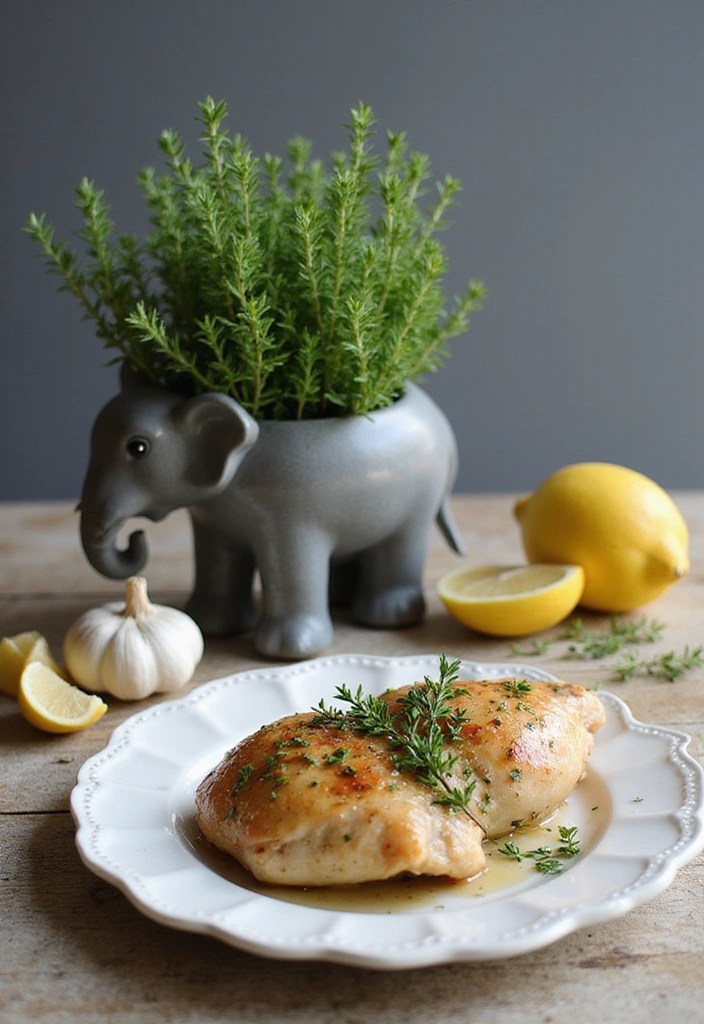
Thyme is a fragrant herb that adds warmth and earthy notes to your dishes. It’s a common ingredient in stews, soups, and roasted meats, and it pairs beautifully with other herbs. Thyme not only enhances flavor but also brings a wonderful aroma to your kitchen.
This herb is incredibly easy to care for, requiring minimal attention. It prefers full sun and well-drained soil, making it a great choice for pots or garden beds. For those starting out, the herb garden starter kit can provide you with a variety of herbs, including thyme, to kick off your gardening journey. Regular trimming encourages bushy growth and helps keep your thyme healthy, and having herb scissors on hand makes this task effortless. These scissors are designed with multiple blades, allowing you to quickly snip fresh thyme and other herbs without much fuss.
Thyme in the kitchen:
– Use fresh thyme leaves in marinades for meats or veggies.
– Infuse olive oil with thyme for a fragrant dressing.
– Pair thyme with lemon for a refreshing twist in dishes.
If you’re looking to grow thyme from scratch, consider using organic thyme seeds. These non-GMO seeds are perfect for hydroponic gardens or outdoor planting, ensuring you have fresh thyme at your fingertips. Thyme’s versatility and aromatic presence make it a must-have for any budding herb gardener.
You Might Also Like

3 One-Pot Meals You Can Make Before Your Kids Finish Homework

5 Quick and Healthy Breakfast Ideas for New Moms (Start Your Day Right!)
7. Rosemary – The Fragrant Needle
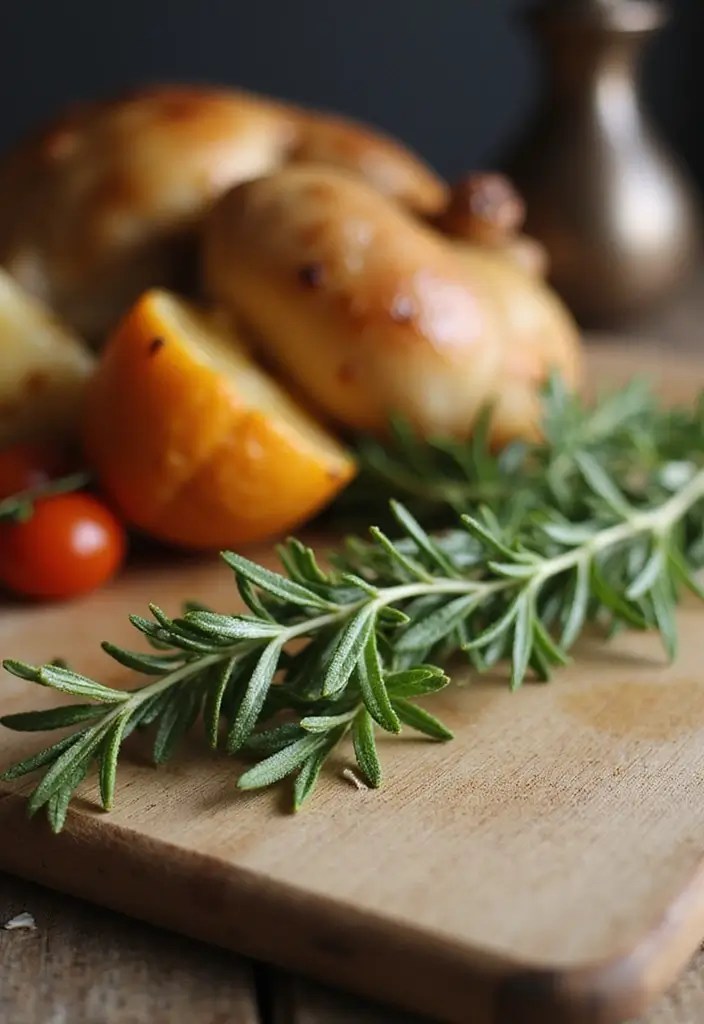
Rosemary is a robust herb that’s perfect for enhancing roasted meats, potatoes, and bread. Its needle-like leaves have a strong flavor that can transform ordinary dishes into something extraordinary. The aroma of rosemary wafting through your kitchen is truly a delight!
This Mediterranean herb is easy to grow and thrives in well-drained soil with plenty of sunlight. A great way to start your own rosemary plant is with a rosemary plant, which comes fresh and ready to help improve your cooking and even purify your air. Rosemary prefers dry conditions, so be cautious not to overwater it. Snipping the tips encourages fuller growth, and you can use the snippings right away to enhance your meals.
When it comes to flavoring, consider infusing oils with rosemary for salad dressings or marinades; this elevates dishes with minimal effort. An easy way to make infused drinks is by using an herb infuser bottle, which allows you to create refreshing beverages that incorporate the essence of rosemary.
You can also use fresh sprigs to flavor roasting meats or veggies, and adding rosemary to bread dough brings a delightful twist to your baking. To help you get started, an herb garden starter kit can provide you with everything you need to grow a variety of herbs, including rosemary, right in your kitchen.
With its bold flavor and lovely scent, rosemary is an essential herb that will elevate your cooking to new heights.
Conclusion
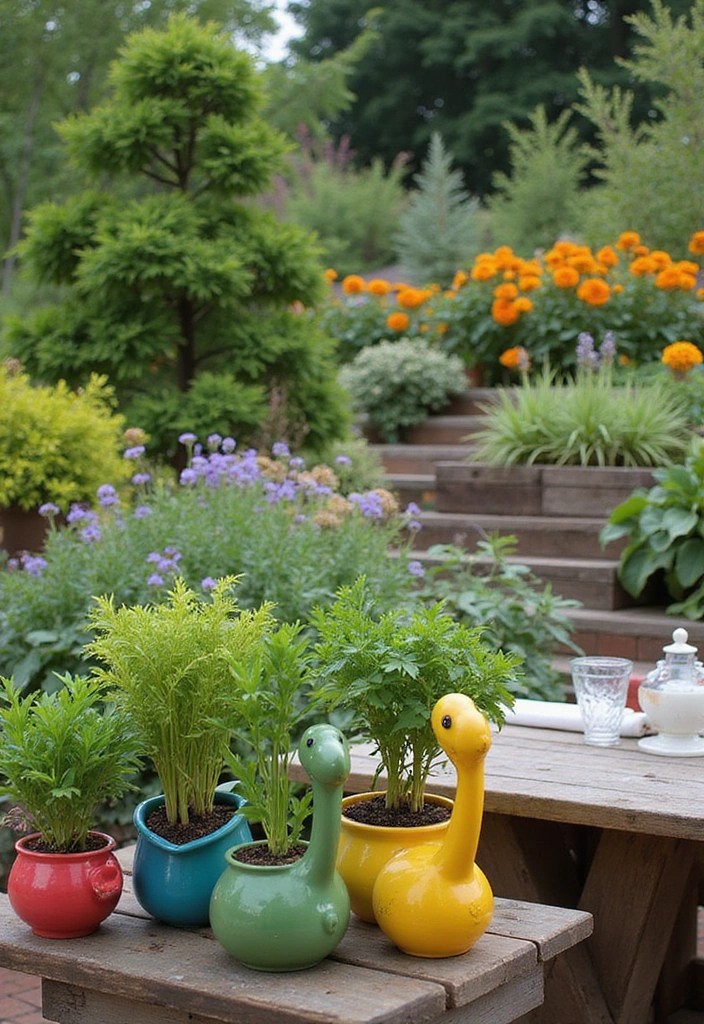
Growing your own kitchen herbs not only brings flavors to your food but also a sense of satisfaction that comes with nurturing plants. With these seven easy-to-care-for herbs, you can enhance your cooking without needing to become a gardening expert.
Whether you’re snipping basil for a pasta dish or adding mint to a refreshing beverage, these herbs are sure to impress. So grab a pot, some soil, and start your herb garden today!
Note: We aim to provide accurate product links, but some may occasionally expire or become unavailable. If this happens, please search directly on Amazon for the product or a suitable alternative.
This post contains Amazon affiliate links, meaning I may earn a small commission if you purchase through my links, at no extra cost to you.
Frequently Asked Questions
What kitchen herbs are easiest to grow for beginners?
If you’re just starting out, herbs like basil, parsley, and mint are fantastic choices! They require minimal care and thrive in a variety of conditions. Plus, they can effortlessly elevate your dishes with fresh flavors that store-bought herbs can’t match.
Just make sure they get enough sunlight and water, and you’ll be on your way to a thriving herb garden.
How can I use fresh kitchen herbs in my cooking?
Using fresh kitchen herbs is as simple as snipping off a few leaves and adding them to your dish! Basil works wonders in pasta, while chives can enhance dips and salads. You can experiment by adding herbs like oregano to sauces or even using rosemary to season roasted meats. Just remember, fresh herbs are usually added towards the end of cooking to preserve their flavors!
Do I need special equipment to grow kitchen herbs?
Not at all! You can start growing your kitchen herbs with just a few basic items. All you need is some potting soil, a few pots (or even recycled containers), and seeds or seedlings. A sunny windowsill is often the best spot to let them thrive. With these simple tools, you can enjoy the benefits of fresh ingredients right from your home!
How often should I water my kitchen herbs?
Watering frequency can depend on the type of herb and the environment. Generally, herbs like basil and mint enjoy a bit more moisture, while rosemary prefers drier conditions. A good rule of thumb is to check the top inch of soil; if it’s dry, it’s time to water. Overwatering is a common mistake, so make sure your pots have drainage holes to prevent root rot!
Can I grow kitchen herbs indoors?
Absolutely! Many kitchen herbs thrive indoors, making them perfect for small spaces. Herbs like chives, thyme, and parsley can flourish on a sunny windowsill. Just ensure they get enough light—ideally 6-8 hours a day—and keep an eye on their moisture levels. With a little attention, you can have a vibrant indoor herb garden that adds flavor to your meals!
 The Midnight Scribbler
Leave a comment