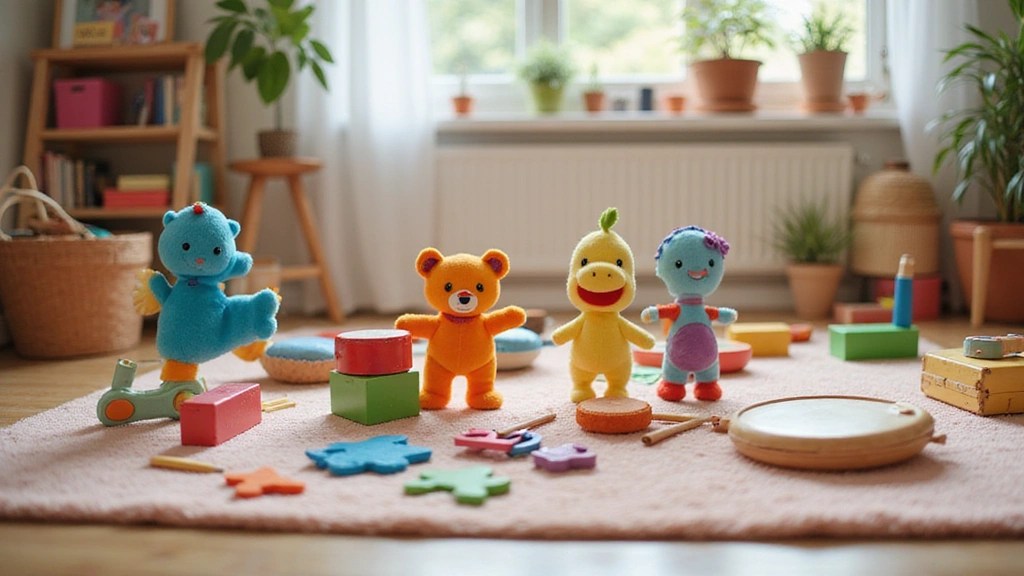
Every parent knows the joy of watching their little one discover the world through play. When it comes to nurturing early language skills, the right toys can make all the difference.
These clever gadgets not only entertain but also encourage speech development in the most delightful ways.
From interactive puppets to colorful musical instruments, these toys are designed to spark conversations, boost confidence, and create meaningful connections between you and your child.
Let’s dive into the world of speech toys that promise not just fun but also foster those essential early language skills!
Contents
- 1. Interactive Puppets for Storytelling
- 2. Musical Instruments for Rhythm and Rhyme
- 3. Shape Sorters for Vocabulary Building
- 4. Storybooks with Interactive Features
- 5. Talking Toys for Conversational Skills
- 6. Art Supplies for Expression and Creativity
- 7. Play-Dough for Social Skills and Speech
1. Interactive Puppets for Storytelling
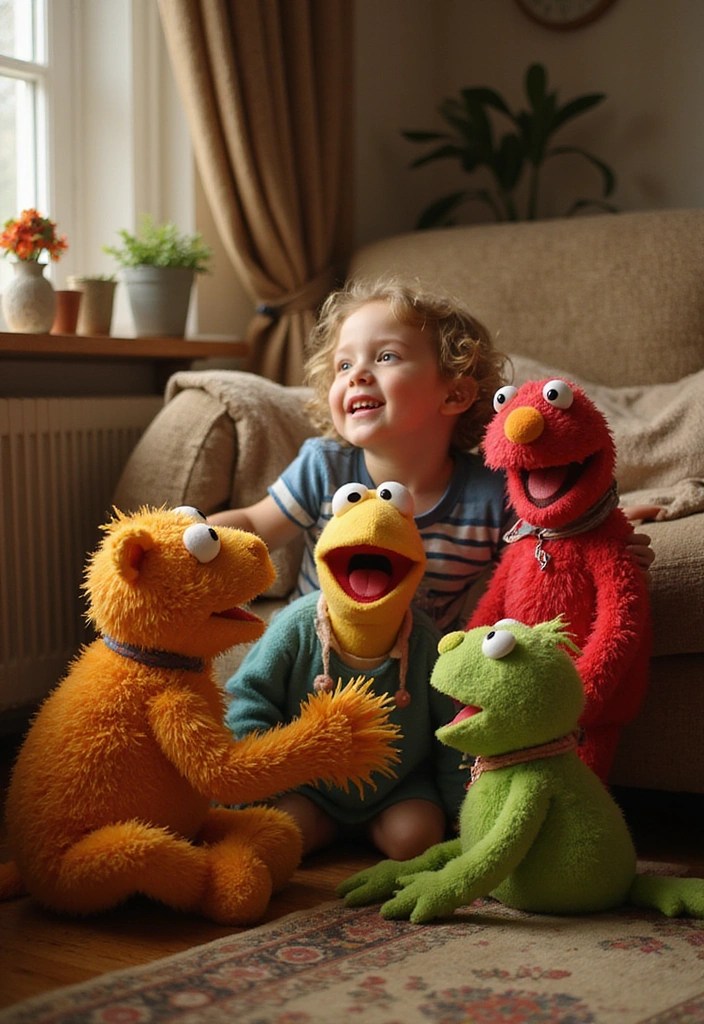
Puppets are like magic! They instantly bring stories to life and spark imagination.
Interactive puppets, whether they’re finger puppets or hand puppets, encourage your child to engage in storytelling. Kids can create their own storylines, dialogues, and characters, which subtly helps them practice speech.
Using these toys in play can lead to rich conversations, enhancing vocabulary and sentence structure. You’ll find yourself giggling as your child starts mimicking puppet voices, exploring different tones and expressions!
Here are a few tips for making the most out of puppet play:
– Connect emotions to puppet characters to teach feelings.
– Use puppets to role-play everyday situations, like sharing or saying thank you.
– Encourage your child to narrate their puppet show to improve storytelling skills.
Puppets not only make playtime enjoyable but also build confidence in speaking out loud, making them a must-have for your tiny talkers’ toolkit.
Product Recommendations:
• Melissa & Doug Puppet Theater
• GUND Philbin Teddy Bear Puppet
2. Musical Instruments for Rhythm and Rhyme
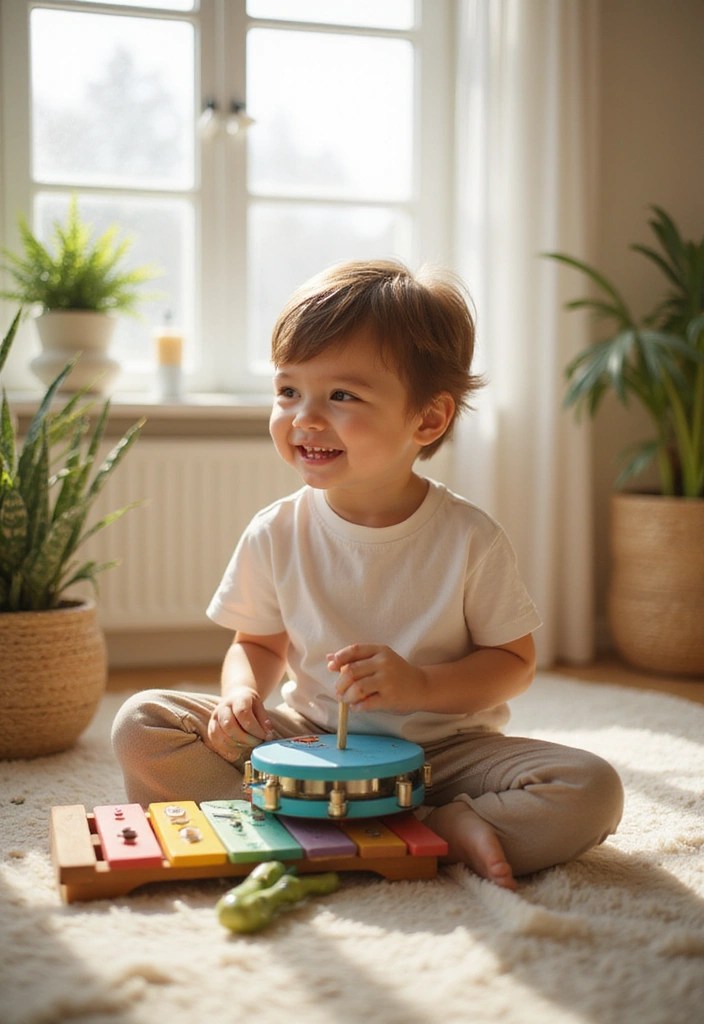
Music is a universal language, and introducing musical instruments to your child can significantly boost their speech skills.
Instruments like tambourines, maracas, and simple xylophones not only promote auditory skills but also encourage rhythmic speech patterns. When children bang on drums or shake maracas, they naturally begin to mimic sounds and words, making the learning process playful and engaging.
Let’s talk about how to maximize the fun:
– Sing songs while playing instruments to create a connection between music and words.
– Incorporate clapping or stomping to reinforce rhythm while reciting nursery rhymes.
– Use instruments to create sound effects for stories, encouraging your child to narrate alongside.
These melodies and beats lay the groundwork for phonetic awareness, increasing your child’s readiness to tackle language and communication.
Music is the heartbeat of language! Encourage your little one to explore instruments and watch their speech skills dance and flourish. Let the rhythm guide their words!
Product Recommendations:
• Melissa & Doug Learn-to-Play Xylophone
• Hape Musical Rainbow Tea Set
3. Shape Sorters for Vocabulary Building

Shape sorters are not just simple toys; they are excellent tools for enhancing vocabulary.
As kids navigate through different shapes and slots, they not only develop fine motor skills but also learn the names of the shapes and colors they encounter. Encouraging your child to name the shapes as they play can be a fun way to enhance their verbal skills.
Try these strategies to incorporate language learning:
– Ask questions like, ‘Can you find the circle?’ or ‘What color is this triangle?’
– Celebrate each successful sort with enthusiastic praise, reinforcing positive language use.
– Create stories around the shapes to encourage longer phrases and sentences.
By transforming sorting into a language-learning activity, you’ll set the stage for rich vocabulary development and deeper understanding of language.
Shape sorters aren’t just for play; they’re a gateway to vocabulary! Turn every shape into a word and watch your child’s language skills blossom while they build and explore.
Product Recommendations:
• Melissa & Doug Shape Sorting Cube
• VTech Sort and Discover Activity Cube
4. Storybooks with Interactive Features

Books are the magic portals to language development, but interactive storybooks take it to another level!
These books often include flaps to lift, textures to feel, and buttons to press, making reading a multi-sensory experience. As children engage with the pages, they’re more likely to ask questions and express their thoughts, enhancing their language skills.
Here are some fun ways to make storytime interactive:
– Encourage your child to predict what happens next in the story.
– Use the interactive features to spark conversations about different characters and events.
– Ask your child to describe their favorite part of the story and why they liked it.
This engaging storytelling can make words come alive, turning reading into an exciting adventure that fosters a love for language.
Product Recommendations:
• Melissa & Doug Lift-the-Flap Books
• Wonderfolds Interactive Storybooks
5. Talking Toys for Conversational Skills

Talking toys are fantastic for nurturing conversational skills right from the get-go.
Toys that respond to your child’s actions or words encourage them to practice dialogue. Stuffed animals that talk back or cars that say phrases can prompt children to initiate conversations, learning how to take turns while speaking.
Here’s how to enhance this experience:
– Use the toy’s responses to guide discussions, asking leading questions like ‘What do you think they want to do next?’
– Create scenarios where the toy is involved in a situation, prompting your child to speak on behalf of the toy.
– Encourage longer responses by asking open-ended questions, fostering more complex conversations.
These playful exchanges not only enhance articulation but also build confidence in expressing thoughts and ideas.
Product Recommendations:
• VTech Touch and Teach Elephant
• Fisher-Price Laugh & Learn Smart Stages Puppy
• LeapFrog Chat and Count Phone
6. Art Supplies for Expression and Creativity
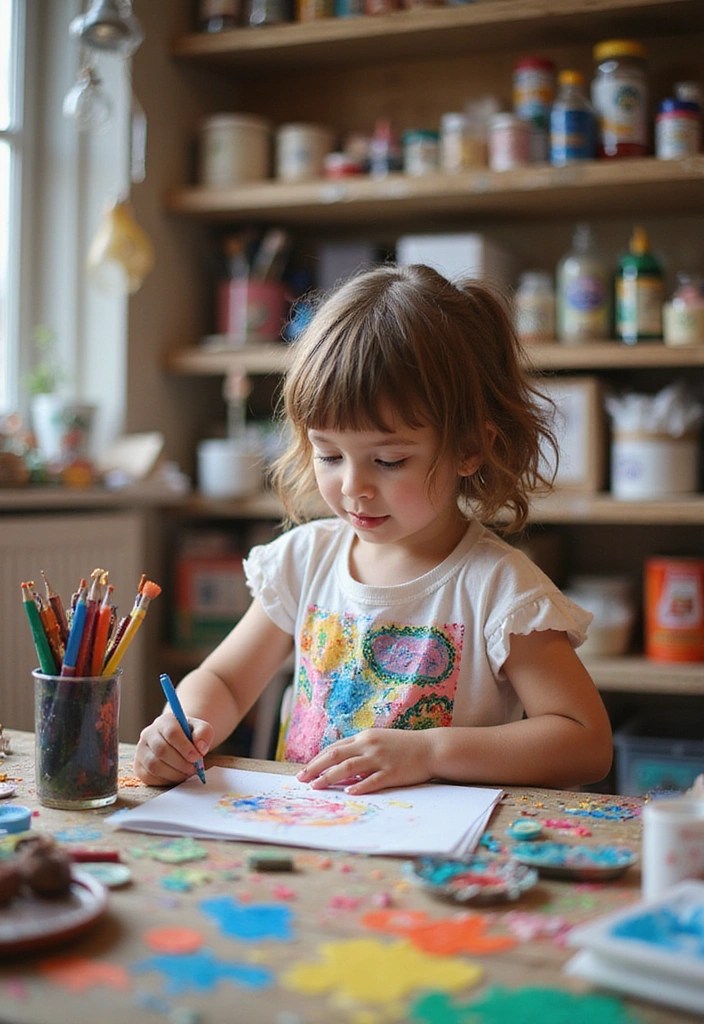
Art is a beautiful way for kids to express themselves, and it can greatly support speech development!
When children create, they often want to tell you about their artwork, which can lead to delightful conversations about colors, shapes, and feelings. Providing a variety of art supplies like crayons, markers, and clay can unleash their creativity and verbal skills simultaneously.
Try these tips to make art time more chatty:
– Ask your child to describe what they’re creating and why.
– Use their artwork as a storytelling prompt; ‘What’s happening in this picture?’
– Encourage emotional expression; ‘How does this make you feel?’
Through art, not only do kids develop fine motor skills, but they also expand their vocabulary and learn to articulate their ideas.
Art isn’t just about colors and shapes; it’s a gateway to conversation! Encourage creativity with speech toys like crayons and clay, and watch your child’s verbal skills blossom as they share their masterpieces.
Product Recommendations:
• Crayola Inspiration Art Case
• Melissa & Doug Wooden Stamp Set
• Play-Doh Modeling Compound 36-Pack
7. Play-Dough for Social Skills and Speech
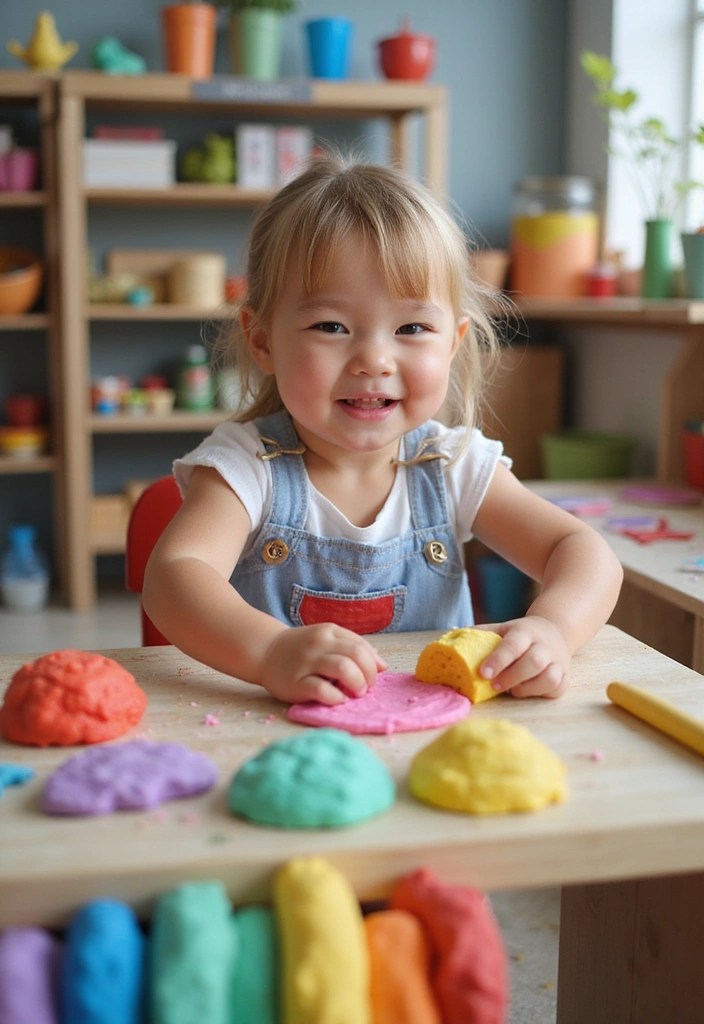
Play-dough is pure magic when it comes to both play and learning. Squishing, rolling, and molding dough encourages sensory exploration and invites conversation.
As children play together, they not only express their thoughts and ideas about their creations but also learn to negotiate and cooperate, which are essential components of speech development.
Here’s how to enhance play-dough time:
– Encourage collaborative projects; creating together fosters teamwork and dialogue.
– Discuss the textures and shapes they’re making to reinforce vocabulary.
– Create stories around their creations; ‘What does this creature do?’
Through this kind of imaginative play, kids are not just honing their fine motor skills but also expanding their social and language abilities, making it a win-win!
Play-dough isn’t just for fun; it’s a speech development powerhouse! As kids create and collaborate, they build essential social skills and language—one squish at a time.
Product Recommendations:
Conclusion: Tools for Tomorrow’s Talkers

Incorporating these sneaky toys into your child’s playtime can be a game-changer for their speech development.
Not only do they provide endless fun, but they also create the perfect environment for fostering early language skills.
As your tiny talkers engage with these tools, you’ll witness their confidence grow, paving the way for effective communication in the future. So let’s get playing, and watch those little voices flourish!
Frequently Asked Questions
What are the best speech toys for encouraging early language skills?
When it comes to nurturing early language skills, some of the best speech toys include interactive puppets, musical instruments, and talking toys.
Interactive puppets can make storytelling come alive, while musical instruments like tambourines can introduce rhythm and rhyme. Talking toys that respond to your child’s words encourage dialogue and conversational skills. Incorporating these toys into playtime can make learning fun and effective!
How can I choose the right toys to support my child’s speech development?
Choosing the right toys is all about looking for those that promote *playful learning*. Opt for toys that encourage interaction, creativity, and communication.
For instance, storybooks with interactive features can engage your child and make reading more enjoyable, while art supplies allow them to express themselves and talk about their creations. The key is to select toys that inspire conversation and exploration!
At what age should I start introducing speech toys to my child?
It’s never too early to start! You can introduce speech toys as soon as your baby begins to explore their environment, typically around 6 months.
As your child grows, look for toys that match their developmental stage. For younger toddlers, consider shape sorters and soft talking toys, while older toddlers may enjoy interactive puppets and musical instruments. The goal is to integrate learning through play during these crucial early years!
Can everyday household items be used as speech development tools?
Absolutely! Everyday household items can be fantastic tools for speech development. For example, pots and wooden spoons can serve as musical instruments, while empty boxes can become story props.
Encourage your child to describe what they’re doing or create stories around their makeshift toys. This not only sparks creativity but also promotes language skills in a fun and engaging way!
How do these sneaky toys make speech development fun for kids?
These sneaky toys make speech development fun by turning learning into an adventure! Toys like play-dough invite sensory exploration, while interactive storybooks engage curiosity and imagination.
When children play with these toys, they’re not just playing; they’re practicing speech skills through storytelling, music, and creativity. This blend of fun and learning helps them develop language skills naturally and joyfully!
Note: We aim to provide accurate product links, but some may occasionally expire or become unavailable. If this happens, please search directly on Amazon for the product or a suitable alternative.
This post contains Amazon affiliate links, meaning I may earn a small commission if you purchase through my links, at no extra cost to you.
 The Midnight Scribbler
Leave a comment